US mulling ban on key Chinese networking tech in data center component crackdown — White House wants to impose restrictions in 2026, China says it will respond if necessary
Sources say that the FCC is drafting a ban on optical transceivers for data centers. These components, which convert electrical signals into light signals, are said to pose a risk as they can be used to steal data, install malware, or disrupt data center operations in the U.S.
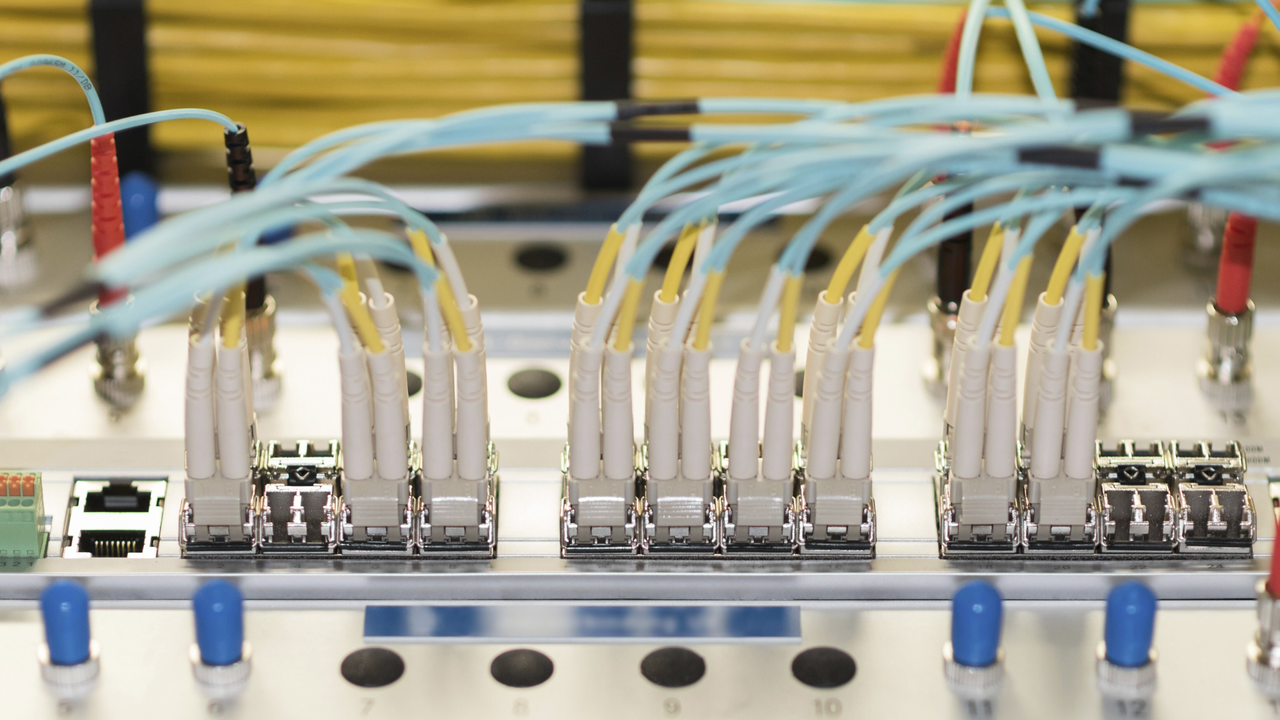
The U.S. Federal Communications Commission (FCC) is contemplating a ban on the import of Chinese-made optical transceivers, which are essential to data centers for transforming electrical data into light and back. According to sources, the agency aims to enforce this ruling before year-end. These transceivers, which are faster and consume less energy than traditional copper wiring, are a potential threat to data center security, as they could be exploited for data theft, malware installation, or operational disruption.
While the U.S. possesses several domestic manufacturers of such components like Lumentum, Coherent, and Apple Optoelectronics, the majority of the market is dominated by a Chinese company, Innolight, which holds a 27% share. This isn't the first time the FCC has implemented such bans; it has also prohibited Huawei products since 2019 and recently imposed restrictions on foreign-made drones, routers, and specific robotic devices.
However, the first ban affected DJI, and the April ban primarily impacted TP-Link, despite its subsequent separation from its Chinese parent company in 2024. Although consumers might not be directly affected by the ban on Chinese robots, the July ruling also impacts robot vacuums, with notable U.S. brands like iRobot, Roborock, Ecovacs, Dreame, and Xiaomi being subsidiaries of Chinese entities.
Despite the blanket nature of these bans, the U.S. permits exceptions for conditional approvals. Companies like Netgear and Amazon have managed to secure exemptions for their foreign-made models until October 2027. Nevertheless, the FCC aims to preempt the prevalence of these Chinese components in U.S.-based AI data centers, mirroring the extensive process required to remove and replace Huawei components after its initial ban.
Beijing has responded, urging the United States to consider the "objective and rational voices of the business communities in both countries" and refraining from "smearing Chinese companies and threatening them with sanctions."
Written by urgent.news from Tom's Hardware's reporting — not their text. Machine-written — may contain errors; check the original before relying on it.