US AI leaders turn to Chinese open-weight models, challenging closed-source safety claims
More American titans of artificial intelligence are describing Chinese open-weight models as better for AI safety and security than closed-source models, challenging the long-standing claim by US closed-source AI model developers such as Anthropic that open-source models present a threat to society. “From what I’m seeing, I think open-weight models seem safer to me than closed-weight models,” AI…
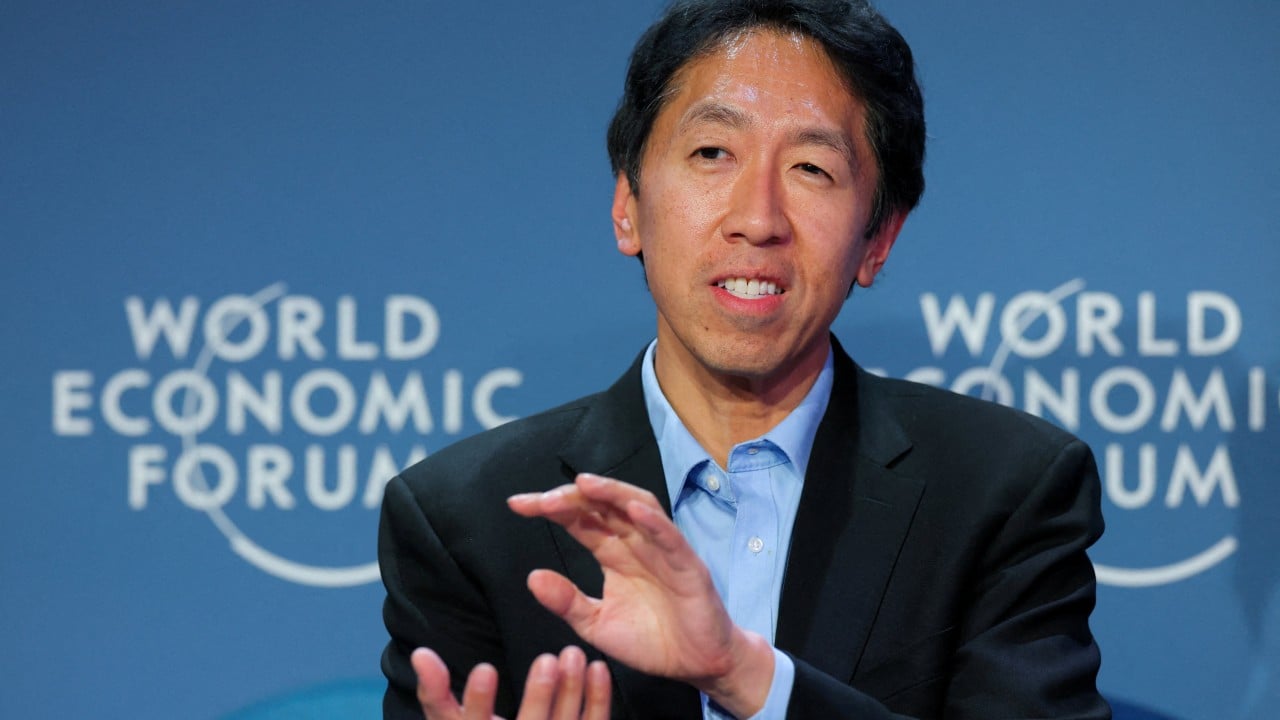
US AI industry leaders are increasingly turning to Chinese open-weight models for enhanced AI safety and security, challenging the stance of US closed-source AI developers such as Anthropic. Andrew Ng, a former Google Brain head and Baidu chief scientist, stated that open-weight models appear safer than their closed-weight counterparts.
Ng and a colleague employed two Chinese models, Moonshot AI's Kimi K3 and Zhipu AI's GLM-5.2, to conduct a security review of their new AI agent tool, OpenWorker. Chinese models have also been instrumental in defending against cyberattacks, as seen with Hugging Face, a New York-based code repository, turning to GLM-5.2 for protection.
However, US models like OpenAI's GPT-5.6 and Anthropic's Fable 5 have incorporated stringent safeguards that inadvertently hinder legitimate requests, leading to friction between OpenAI, Anthropic, and the broader AI community. Matt White, a former global CTO of the Linux Foundation, emphasized the risks of relying solely on closed-source models, stating that they concentrate power among a few institutions.
While open-weight models' safety concerns are legitimate, experts warn of potential misuse, such as by terrorist groups. Anthropic, a staunch critic of open-source AI, argues that open-weight models could lead to the rapid development of "pandemic-level viruses," a claim that Ng attributes to regulatory capture efforts by the company.
The US administration is currently drafting a regulatory framework for frontier AI, while Thinking Machines proposed a framework for incremental release of open-weight models. White asserts that openness does not equate to negligence, but rather a responsible approach to AI development.
Written by urgent.news from South China Morning Post's reporting — not their text. Machine-written — may contain errors; check the original before relying on it.