to the Covid pandemic era.
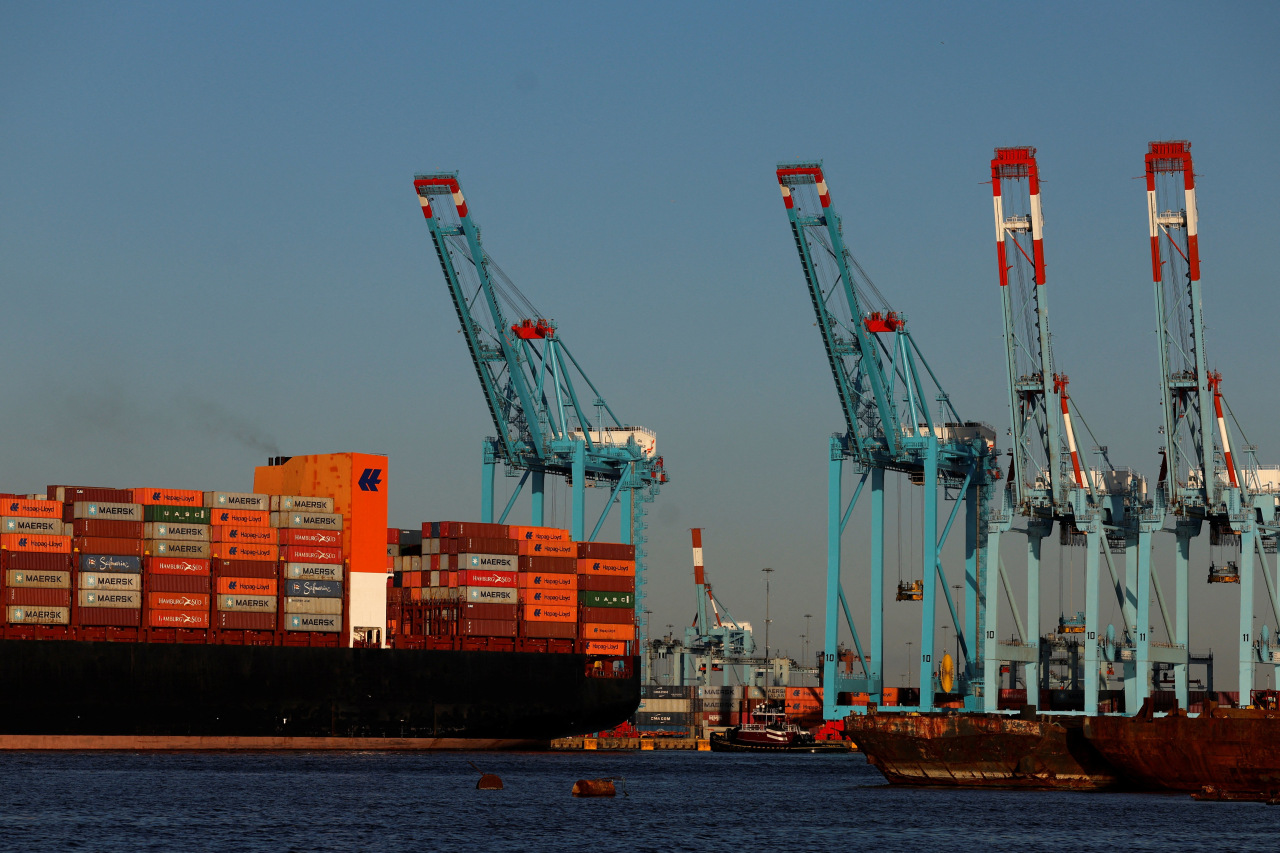
The U.S. manufacturing sector experienced its fastest growth in over four years in July, according to the Institute for Supply Management's (ISM) July survey. The index, which measures the percentage of companies reporting growth, reached 55.6, surpassing Wall Street expectations of 54.0. This growth was primarily driven by strong gains in new export orders, backlogs, and a significant 6.3-point spike in production.
The employment gauge also hit its highest level since August 2022, marking an expansion for the first time in 33 months.
However, the survey revealed concerns about an increasingly volatile environment, with prices still heading higher and purchasing managers struggling to cope with issues like the Iran war and tariffs. Several industry leaders stated that the current situation was worse than the Covid pandemic, citing persistent pricing volatility and lead-time extensions.
One executive in the primary metals sector lamented, "No normalcy in sight in the world of metals," while an electrical equipment, appliances, and components industry manager said, "The pricing volatility and lead-time extensions in this market are arguably worse than the pandemic era."
The ISM survey's manufacturing sector data presents a policy challenge for the Federal Reserve, with analysts suggesting that a solid economic picture coupled with ongoing price pressures could prompt a rate increase as early as September. Inflation data for June showed a short-term dip in energy prices due to a temporary pause in Middle East tensions, but overall inflation remained well above the Fed's 2% target.
The Federal Open Market Committee voted to maintain the key overnight interest rate range between 3.5% and 3.75% for the 65th consecutive meeting.
Despite the mixed signals from the survey, the boost in the production index was the highest since November 2021, according to Troy Ludtka, senior U.S. economist at SMBC Nikko Securities Americas. The report suggested that strong payroll growth from manufacturing and construction, two rate-sensitive sectors, could enable the Fed to continue its hawkish communication.
Goldman Sachs also revised its third-quarter economic growth forecast to 2.4%, up from the initial estimate of 1.5% for the second quarter. However, traders remained cautious about an imminent rate hike following Warsh's ambiguous comments on the Fed's intentions. As of midday Monday, odds for an increase at the September FOMC meeting stood at 64.5%, down slightly from the previous day, according to the CME Group's FedWatch.
Written by urgent.news from CNBC's reporting — not their text. Machine-written — may contain errors; check the original before relying on it.