The Next Frontier For Faith Commerce
Running out of pooja samagri just before an aarti is no longer the household crisis it once was. The missing…
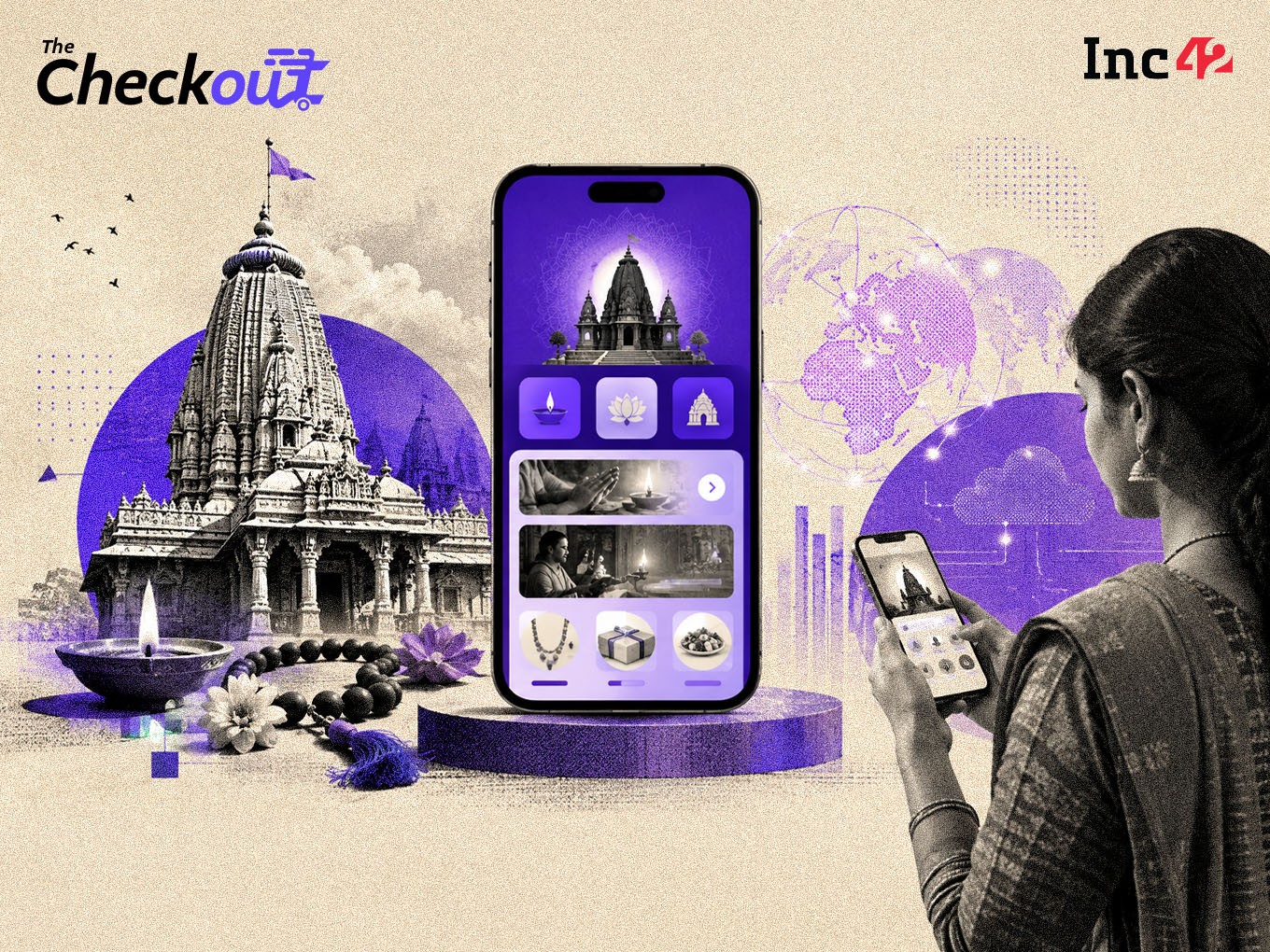
The spiritual commerce landscape in India is experiencing rapid growth, thanks to a burgeoning roster of Direct-to-Consumer (D2C) brands. Companies like Phool, Astroyogi, Japam, Sri Mandir, and Vama are transforming the faith commerce ecosystem. These D2C brands have overcome the challenges of a cash-based, fragmented, and offline market to create seamless online experiences for millions of users.
India's spiritual economy is valued at approximately $60-70 billion, and funding for spiritual technology companies has surged in recent years. Digital infrastructure, such as the Unified Payments Interface (UPI) and smartphone penetration, has made faith services more accessible and enabled seamless, low-value digital transactions. Additionally, the widespread use of non-English internet platforms has expanded the addressable market by bringing the category's core consumers online.
The COVID-19 pandemic further accelerated digital adoption across age groups, prompting founders to build trusted, convenient, and personalized faith experiences online. A key factor in this shift has been the diaspora opportunity, which allows Indians living abroad to maintain connections with their roots through technology. Platforms that can cater to this demographic and derive a meaningful share of revenue from international users have fundamentally altered the total addressable market.
However, as the sector matures, several questions arise. Can faith commerce produce enduring, venture-scale businesses? What challenges must founders overcome to unlock the market's full potential?
One significant challenge is convincing consumers that what they see online is genuine, particularly in categories like gemstones where authenticity verification can be difficult. Another challenge is managing logistics and execution during peak demand periods, such as festivals. Companies are addressing these issues by implementing strategies like sending temple certificates with spiritual products, sharing videos of items being energized at the temple, and reinforcing their status as authorized temple partners throughout the customer journey.
Investors are showing interest in faith commerce, but they face the challenge of ensuring that products and services can be independently verified. Companies that can maintain authenticity, manage logistics, and cater to seasonal demand while preserving the offline faith experience will be better positioned to build loyal customers in an increasingly competitive market.
Written by urgent.news from Inc42's reporting — not their text. Machine-written — may contain errors; check the original before relying on it.