The New Rush to Mine America
The road to critical minerals runs through communities.
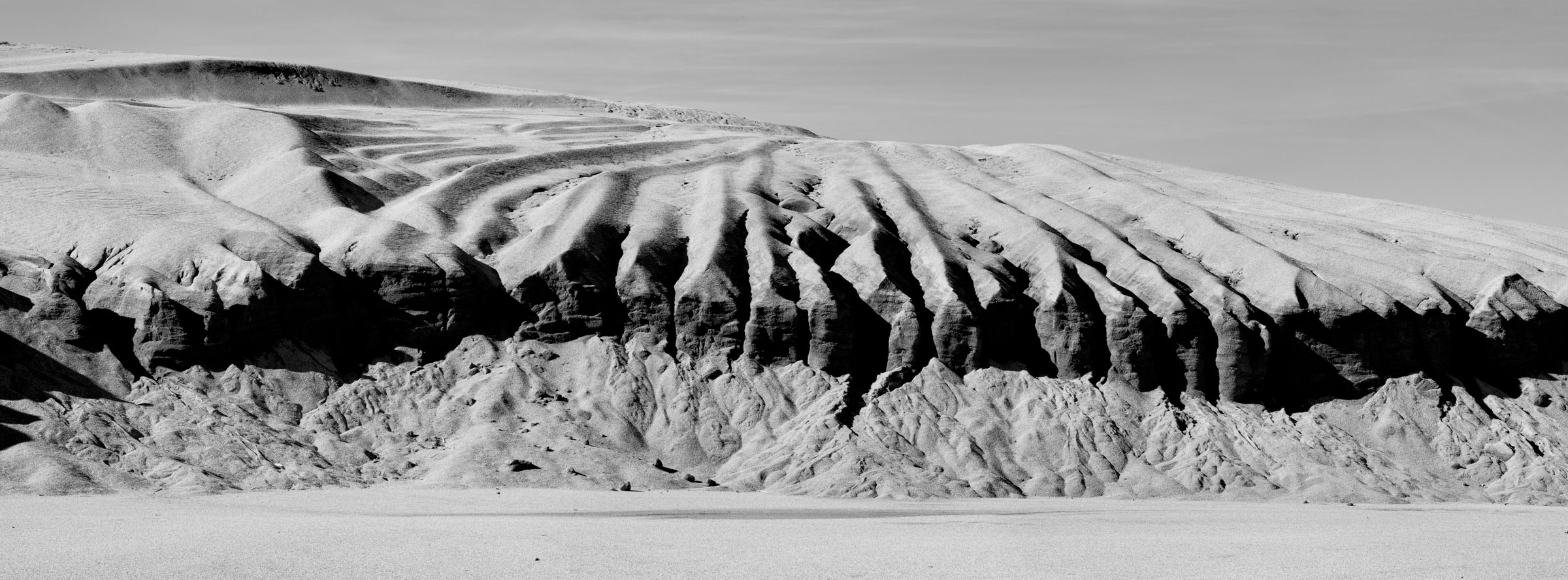
The Thacker Pass lithium-mining project in northern Nevada is a centerpiece in the U.S. race to develop critical minerals for clean energy and AI data centers. While the demand for these minerals has surged, local concerns have arisen, with the Fort McDermitt Paiute and Shoshone Tribe opposing the project due to its potential to harm sacred Indigenous sites.
Simultaneously, climate advocates seek a balance between the project's potential lithium production and its environmental risks. Thacker Pass is not alone in this race; dozens of other projects across the U.S. face similar scrutiny. The U.S. relies heavily on China for critical minerals, leaving it vulnerable to geopolitical tensions.
The success of this American mining renaissance could determine the nation's energy security and its role in the renewable energy transition. Experts emphasize the significance of this issue, stating it is a crucial emerging energy-security question. However, this new mining boom also raises concerns about the environmental impact and the treatment of the land, with some Indigenous communities, like the Kwaaymii tribe, fighting against mining developments that could harm their cultural heritage and local environment.
Globally, over half of the minerals needed for the energy transition are located on or near Indigenous and other land-connected peoples' territories, often at the expense of their health and cultural preservation.
Written by urgent.news from Time's reporting — not their text. Machine-written — may contain errors; check the original before relying on it.