The influencer bubble is finally popping
Up until about 40,000 years ago, there were two closely related but distinct human species on this planet. The Neanderthals, who lived mostly in Europe and Western Asia, and Homo sapiens, who originated in Africa. The two separate species overlapped for more than 200,000 years, but eventually the Neanderthal faded away. What happened? There was no single event, but rather a gradual shift that saw…
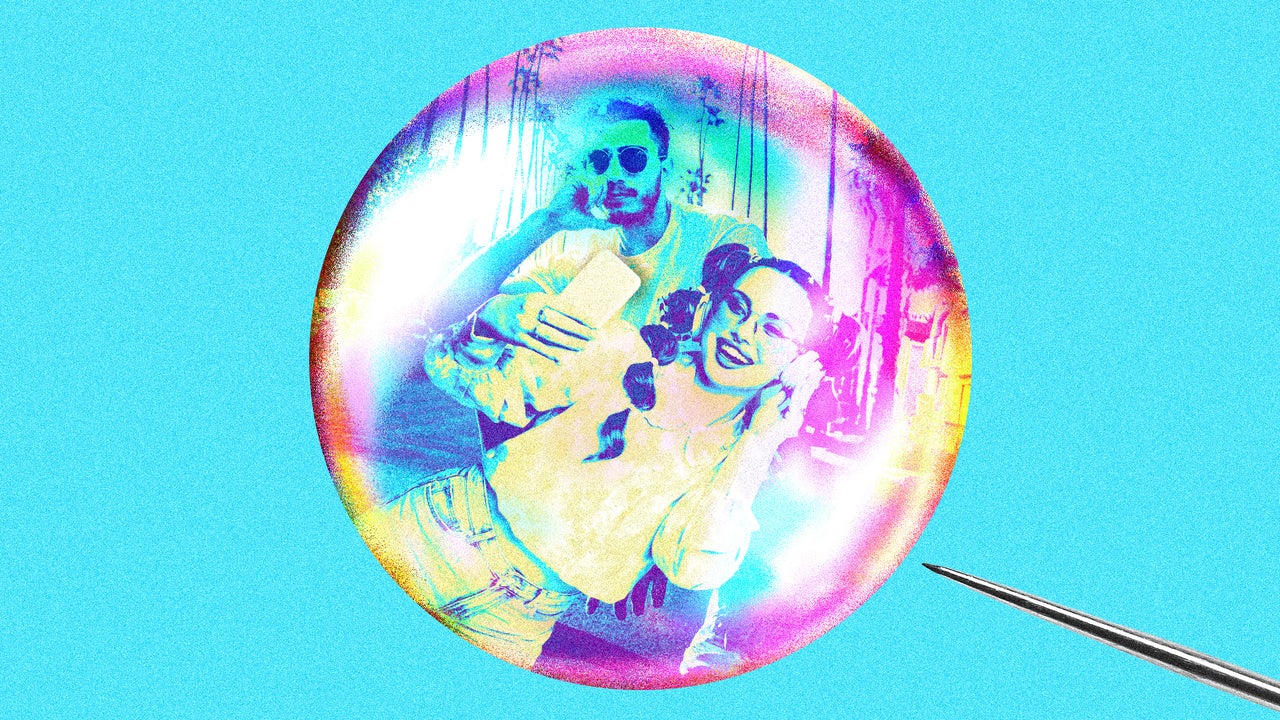
The influencer bubble appears to be bursting, with creators emerging as the dominant force in modern media. Up until around 40,000 years ago, two distinct human species coexisted: Neanderthals and Homo sapiens. Eventually, Homo sapiens dominated due to factors like larger social groups, dietary flexibility, and innovation in tools and hunting methods. Today, 95% of the human genome is traced back to Homo sapiens lineage, indicating their superiority.
In the media landscape, influencers are analogous to Neanderthals, while creators represent Homo sapiens. Influencers provide a transactional relationship for broad reach, while creators offer deeper connections to fan communities. Creators have proven to be the superior species in brand communications, with a growing presence at events like the Cannes Lions Festival of Creativity.
Earlier this summer, Rocket Companies, a mortgage and real estate company, shifted its marketing strategy from influencers to creators. CMO Jonathan Mildenhall noted a stark difference in value between the two and decided to stop working with influencers. Influencers were born in a social media ecosystem that prioritized reach over engagement, often leading to a transactional relationship with brands. However, around 2014, Meta prioritized ads over organic brand content, causing influencers' posts to lose impact.
Creators, on the other hand, have established subject matter authority and have become vertically integrated media companies with their audiences and distribution. Brands like e.l.f. Beauty have recognized the value of creators, as seen in their successful partnership with influencer Oliver Widger. Widger's content, which featured his adventure sailing solo around the world, generated 8.2 million TikTok views and 10.5 million Instagram views when e.l.f.
Beauty airdropped care packages in support. This shift towards creators reflects a growing preference for authentic cultural relevance and deeper engagement over mere reach.
Written by urgent.news from Fast Company's reporting — not their text. Machine-written — may contain errors; check the original before relying on it.