The City With a Stroller: Why Babies (and Mothers) Are the Best Flâneurs
In Edgar Allan Poe’s 1840 short story “The Man of the Crowd,” an unnamed narrator sits in a café and watches a busy street. He notes small details about the people passing by, and he categorizes them. The men are
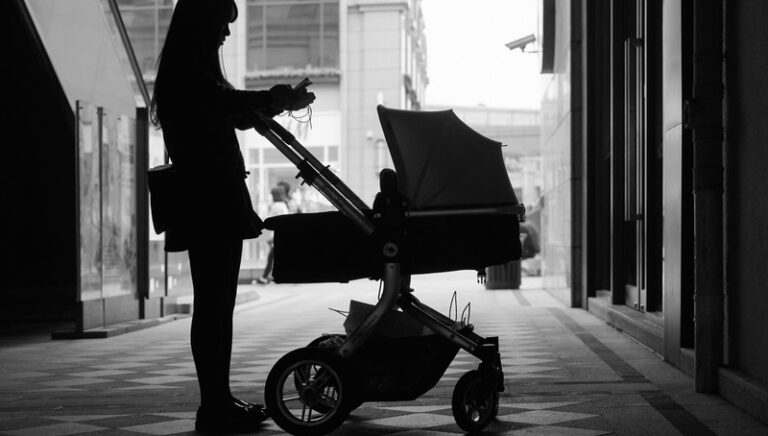
The modern city’s wanderer often includes a mother pushing a stroller. These modern mother-flâneurs blend into the crowds while observing the urban life around them. Many real-life examples exist, but they are less prevalent in literature. While mother-flâneurs may seem invisible, they still notice their surroundings, much like the original flâneurs.
Upon returning home, the city appears different with a new mother's perspective. Their urban adventures are not as glamorous as those of historical flâneurs, but they still navigate the city's challenges. Streets are either a sanctuary for the baby's sleep or a necessity for the mother's calm, as they balance the demands of motherhood.
The mother-flâneur must contend with crowds that may be curious about her infant, sometimes even seeking to interact with or touch the baby. The city's unpredictability, from navigating elevators to handling public transportation, adds to the mother-flâneur's unique experience. The ever-changing noise and stimulation of the city also serve as a soothing backdrop for the mother, as the baby's world becomes an endless source of new sights and sounds.
In the midst of this chaos, the mother-flâneur's observations may be fragmented due to her divided attention, but her role in the urban landscape remains significant.
Written by urgent.news from Literary Hub's reporting — not their text. Machine-written — may contain errors; check the original before relying on it.