SpaceX's first-ever earnings show higher revenues and huge spending
Elon Musk's company has struggled to maintain investor enthusiasm that greeted its stock market debut.

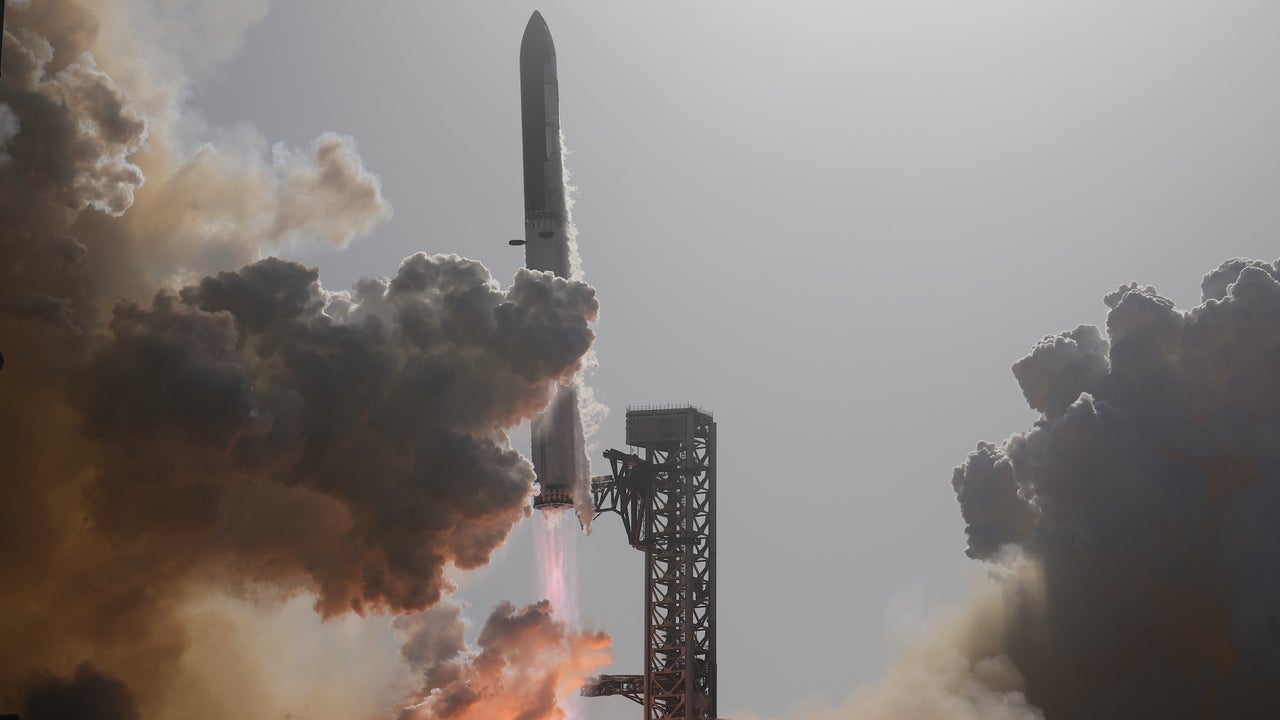
Elon Musk's SpaceX presented its inaugural quarterly earnings report, revealing a two-fold increase in revenue but a ten-fold surge in spending. The aerospace and technology firm, which trades on the US market, generates income from rockets, Starlink internet satellites, and a social media platform, X. Since its debut in June, SpaceX reported a 92% revenue surge to $7.8 billion, accompanied by a 550% increase in expenditures to $18.3 billion, resulting in a $2 billion net loss during the first half of the year.
Its stock experienced a 9% drop during post-market hours trading. During a post-earnings conference call, Musk expressed that investors might have underestimated SpaceX's potential, highlighting the company's profitable Starlink segment, which generated $1.6 billion in the second quarter. Musk anticipates exponential growth for Starlink in the years ahead, potentially becoming a dominant force in global internet infrastructure.
Additionally, SpaceX is set to expand its compute power business, aimed at supporting artificial intelligence (AI) projects for other companies, including Google and Anthropic. Currently, SpaceX holds 1.4 gigawatts of compute power, with Musk forecasting the capacity to reach 10 gigawatts by next year. Despite the company's core strength in reusable rocket manufacturing, the space segment incurred a $542 million net loss, alongside $962 million in revenue for the second quarter.
SpaceX's AI business also incurred a $1.2 billion loss on $2.5 billion in revenue for the same period. SpaceX's finance chief, Bret Johnson, stated that capital spending would persist at a similar level throughout the remainder of the year. Musk expressed optimism, projecting that SpaceX could reach a $1 trillion revenue mark by 2030, a year earlier than previously anticipated.
Although the enthusiasm surrounding SpaceX appears to have waned, its shares declined in after-hours trading, erasing the gains made during the day. Since its record-breaking initial public offering and its brief surge in market valuation, surpassing industry giants like Microsoft and Amazon, SpaceX has faced challenges in maintaining investor interest.
The company's stock has gradually declined since its peak of $176 in June, trading below its original $135 per share offering price for several weeks.
Written by urgent.news from BBC Technology's reporting — not their text. Machine-written — may contain errors; check the original before relying on it.