Snakes aren’t simple tubes. Their bodies have five regions – including a short neck
A new study changes what we know about one of nature’s most enigmatic animals.
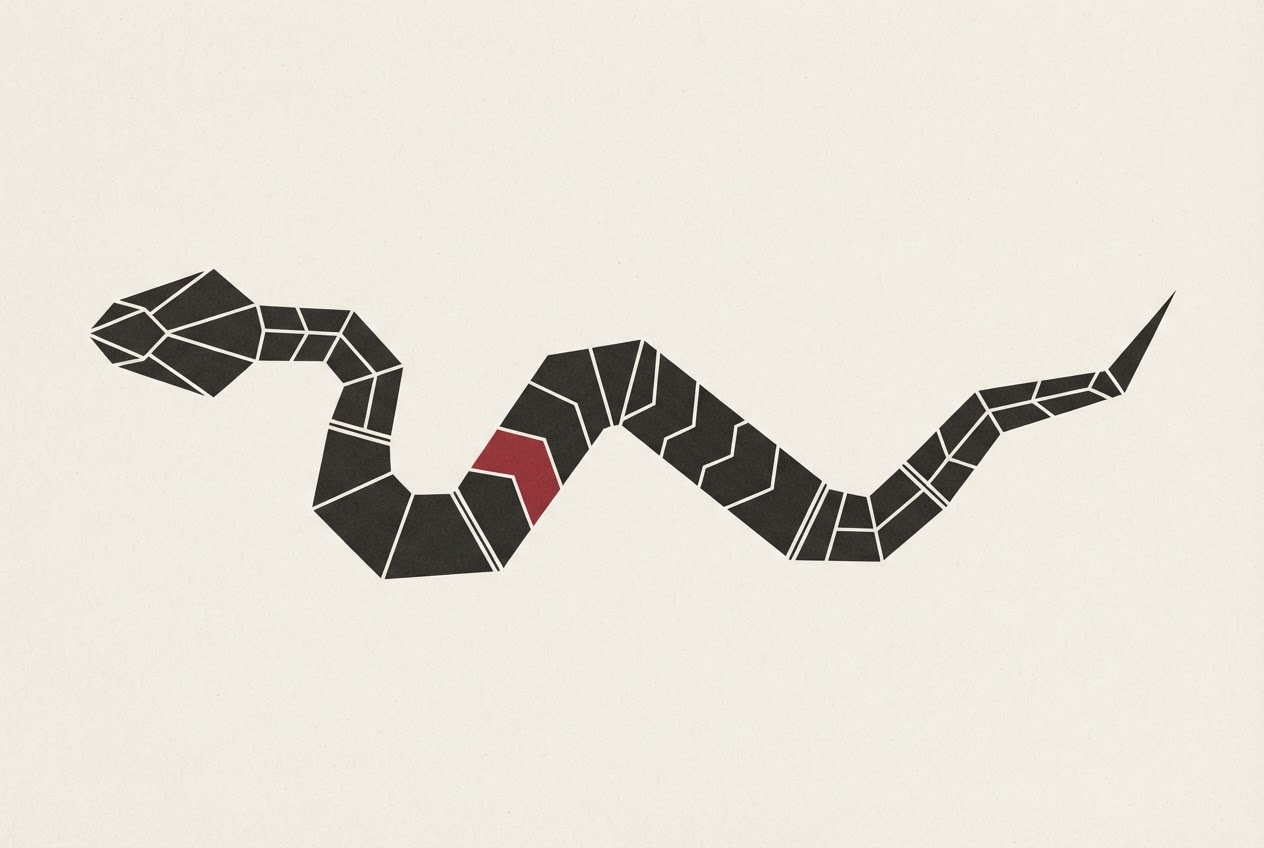
Snake bodies are not just simple tubes as previously believed. A new study published in the Journal of Morphology reveals that snakes have five distinct regions within their bodies, including a short neck.
Vertebral columns in snakes, such as the eastern brown snake, copperhead, and tiger snake, change shape throughout the column but have clear boundaries between regions. Earlier research suggested snakes had one long, uniform body, but a 2015 paper found they have four regions: cervical, anterior thoracic, posterior thoracic, and lumbar. This new study adds another layer of complexity.
By examining three snake species, the researchers found five regions within snake bodies, not four. They also discovered that snake necks are shorter than previously thought, likely about 5% of the body length, which is around 7 to 12 vertebrae long - similar to lizards. This indicates that while snakes elongated other parts of their bodies, their necks retained a more ancestral form.
The study also uncovers a previously unknown region, called the middle thoracic region, nestled between the anterior and posterior thoracic regions. This finding supports the theory that limbless animals, like snakes, adapt to their environments by changing their entire body, including their vertebral columns. Despite losing limbs and elongating other parts, snakes have retained ancestral regions within their vertebral columns and even developed a more complex structure compared to their four-legged counterparts.
Written by urgent.news from The Conversation AU's reporting — not their text. Machine-written — may contain errors; check the original before relying on it.