Should you stop using preventive flea treatments on your pets?
It has been assumed for decades that tick and flea treatments for pets pose no threat to wildlife or people, but there’s growing evidence that we have got it wrong
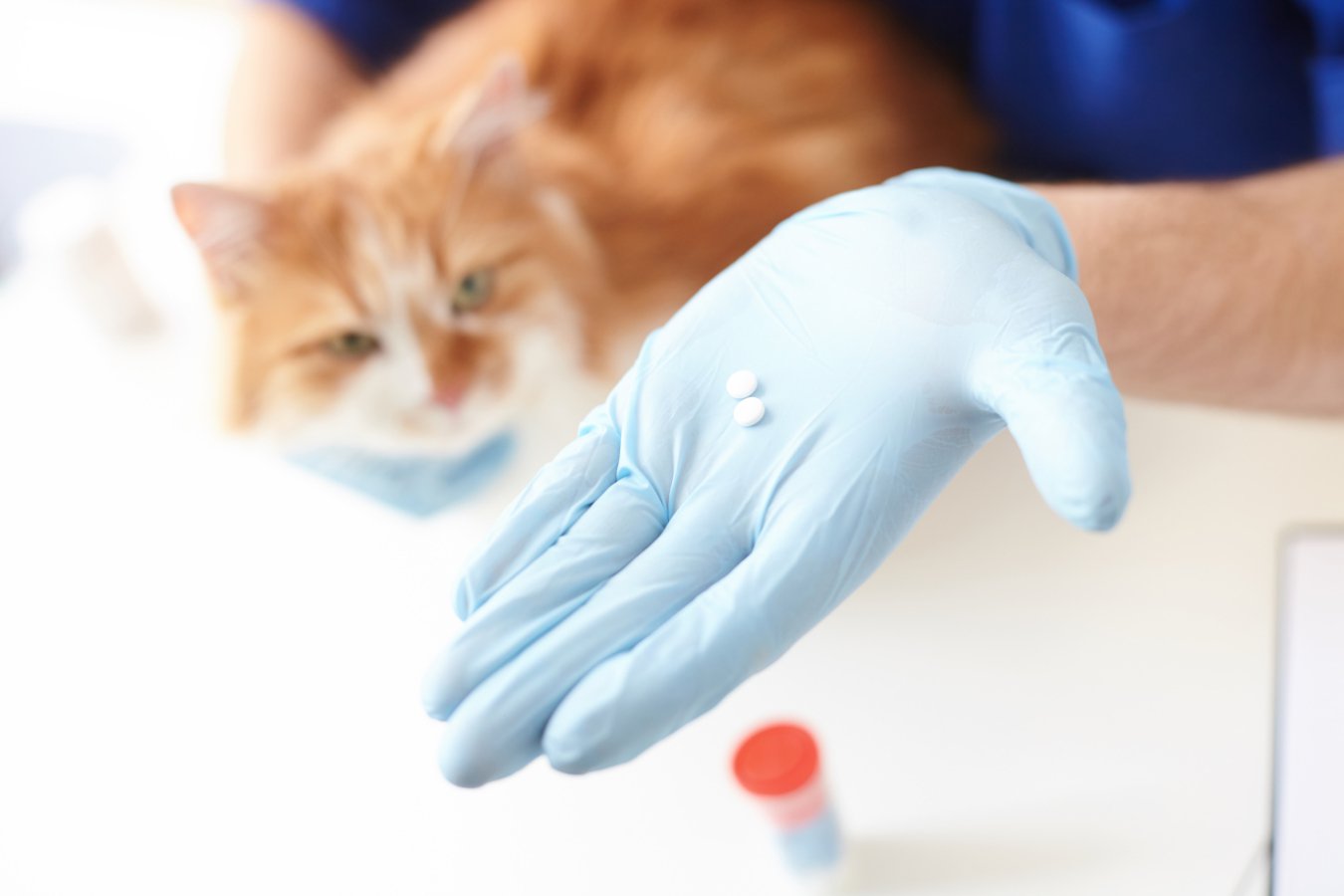
A new report from the UK's House of Lords has raised concerns over the safety and environmental impact of preventive flea treatments for pets. The committee is calling for a restriction on the sale of these treatments, requiring consultation with a vet, pharmacist, or qualified pet shop staff before purchase. The primary issue lies in the lack of rigorous assessment of pet treatments before approval, leading to the assumption that they are safe, which turns out to be incorrect.
Two potent pesticides commonly found in tick and flea treatments—fipronil and imidacloprid—are entering UK rivers at levels sufficient to affect wildlife. These pesticides can break down into even more harmful substances. Furthermore, there is insufficient evidence to determine if pet parasite medicines pose a risk to human health.
Regulators are also criticized for being too influenced by the pharmaceutical industry and not being sufficiently independent. Rosemary Perkins, an expert at Imperial College London, notes that this issue is not unique to the UK but is a worldwide concern. She emphasizes that assumptions have been made about the environmental risk of these treatments being negligible, which is not scientifically valid.
Common pesticides in spot-on flea treatments, such as fipronil and imidacloprid, have been detected in UK rivers, often at levels high enough to harm invertebrates like mayflies, dragonflies, and caddisflies. The long-term environmental impact of these pesticides remains unknown. The report suggests extending the recommended waiting period for bathing pets after treatment to 28 days, as the current guideline of four days may not be sufficient.
Another major source of these pesticides in waterways is hand-washing, with traces found even before people stroke their pets. Products containing these pesticides are being replaced by ones with isoxazolines, which are less water-soluble but can accumulate in soils and sewage sludge, potentially harming pollinators.
Finally, the report highlights the significance of shed dog fur containing these chemicals, which has been found in bird nests. It urges minimizing the use of pet parasite medications until independent research clarifies their risks. Currently, manufacturers promote the idea that routine treatment of parasites is necessary, often through monthly subscriptions.
However, the benefits of such routine usage are not supported by scientific evidence. Experts suggest that these products should be prescription-only and that some may even need to be banned altogether.
Written by urgent.news from New Scientist's reporting — not their text. Machine-written — may contain errors; check the original before relying on it.