Severe COVID-19 linked to anxiety in offspring via altered sperm RNA
A small study found that male mice infected with a severe form of SARS-CoV-2 passed anxiety-like behaviors to their offspring. The researchers traced these intergenerational changes to altered molecular messengers inside the fathers' sperm.
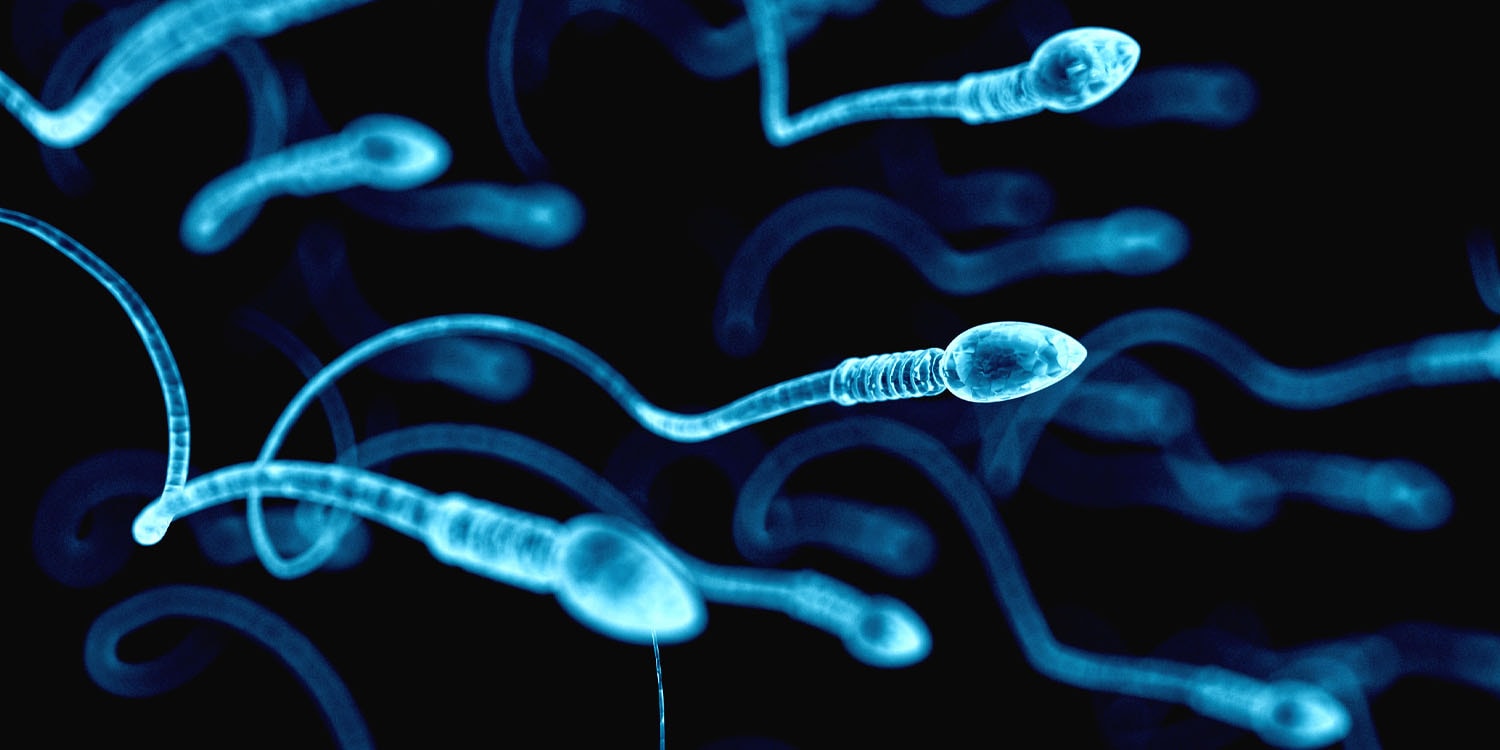
In a study published in Nature Communications, researchers discovered that male mice who contracted a severe COVID-19-like infection passed on anxiety-like traits to their offspring through changes in the RNA molecules present in their sperm. This finding suggests that paternal viral infections before conception may influence the developmental trajectory of future generations. Previously, scientists believed that parents solely transmitted genetic information via the DNA sequence found in sperm and egg cells.
Epigenetic inheritance, the process by which environmental factors like stress or diet can alter traits in offspring without modifying the DNA code, has gained attention in recent years. Small noncoding RNAs, which act as molecular messengers controlling gene activation without producing proteins, play a significant role in this process.
In this study, a team led by Elizabeth Kleeman and Anthony Hannan from the Florey Institute of Neuroscience and Mental Health explored whether a respiratory virus could produce similar intergenerational outcomes. They used SARS-CoV-2, the virus responsible for COVID-19, due to its widespread global impact. The researchers employed a mouse model of the virus, infecting adult male mice and comparing their offspring to those fathered by uninfected mice.
The infected males exhibited moderate to severe symptoms, with a temporary decrease in body weight. Four weeks after the infection cleared, both groups of males mated with healthy females. When the offspring reached adulthood, researchers observed that the male descendants of the infected fathers spent less time in the brightly lit area of a test enclosure, indicating higher anxiety levels compared to the control group. The male offspring also showed hesitation before entering the lit area.
Further tests revealed no differences in memory, sociability, or depression between the two groups, suggesting anxiety was the primary behavioral shift. The researchers examined the offspring's brains, specifically the hippocampus, finding altered gene expression profiles in the female offspring. These changes were particularly pronounced in female brains, showing reduced activity in several stress-response genes.
To determine if the anxiety-like traits persisted across generations, the team conducted a second breeding experiment. Males from the first generation mated with new healthy females, and the resulting grand-offspring displayed slightly altered body weights but did not exhibit the heightened anxiety traits seen in their parents. This indicates that the behavioral effect faded after one generation.
By collecting sperm from the original groups of infected and healthy males four weeks post-exposure, the researchers identified modified levels of multiple small noncoding RNAs in the SARS-CoV-2-infected animals. Specifically, they found drops in PIWI-interacting RNAs, which protect the genome from mutations during sperm development, and elevated levels of certain microRNAs, which influence early embryonic growth.
To confirm the RNA molecules' role in the behavioral changes, the team performed a microinjection experiment. They extracted RNA from the sperm of both infected and uninfected males, injected it into fertilized mouse eggs, and implanted the embryos into surrogate mothers. The resulting adult mice from eggs injected with infected sperm RNA exhibited anxiety-like traits, confirming that the sperm RNA directly impacted offspring brain development.
However, the study's caveats include its reliance on animal models, which may not perfectly mirror human health outcomes, and the virus-induced weight loss in adult male mice, a confounding variable in the study.
Written by urgent.news from PsyPost's reporting — not their text. Machine-written — may contain errors; check the original before relying on it.