Responding to Exposed Secrets - An SRE's Incident Response Playbook
Responding to Exposed Secrets - An SRE's Incident Response Playbook Today, let's take a closer look at incident response playbooks: how to build one, tailor it for secret leaks, take actions, and learn from incidents. By Tiexin Guo • 27 Jan 2026 • 10 min read Imagine this: It's a regular Thursday morning when disaster strikes. The on-call engineer receives a flood of alerts -- unusually high API…
Responding to Exposed Secrets - An SRE's Incident Response Playbook
When disaster strikes during a regular Thursday morning, on-call engineers face a deluge of alerts, typically caused by unusually high API failures in an internal service. Despite reverting to a previous version, the issue persists. As panic sets in among colleagues, another deployment triggered by a code merge exacerbates the situation, ultimately resulting in the complete offline status of the entire platform.
This is an example of an unmanaged incident, where a series of errors and poor coordination culminate in a major meltdown. In such cases, standardized, structured processes are crucial to minimize disruptions and expedite the restoration of operations, which is precisely the purpose of an incident response playbook.
The creation of an incident response playbook begins with preparation, focusing on establishing clear goals and objectives, defining roles and responsibilities, and determining the necessary skills and training required for the incident response team. Effective communication, documentation, and coordination mechanisms must also be established, encompassing internal and external notifications, clear command transfers across time zones, and standardized incident reporting formats.
Additionally, categorizing incidents, defining incident severity levels, and integrating existing company policies with incident response procedures are essential considerations.
In the realm of secret leaks, incident response playbooks must be tailored to address the unique challenges posed by these types of incidents. Unlike more straightforward incidents, such as server outages, secret leaks necessitate a different approach to alerting, detection, impact assessment, and investigation. Detecting secret leaks often proves more challenging, as traditional monitoring systems may not readily identify the issue.
To address this, specialized metrics and alerts must be established to detect anomalous patterns, such as unexpected increases in API usage, resource consumption, or unauthorized network traffic. Furthermore, aggregating logs and employing machine-learning or rule-based anomaly detection can aid in identifying patterns that deviate from the norm.
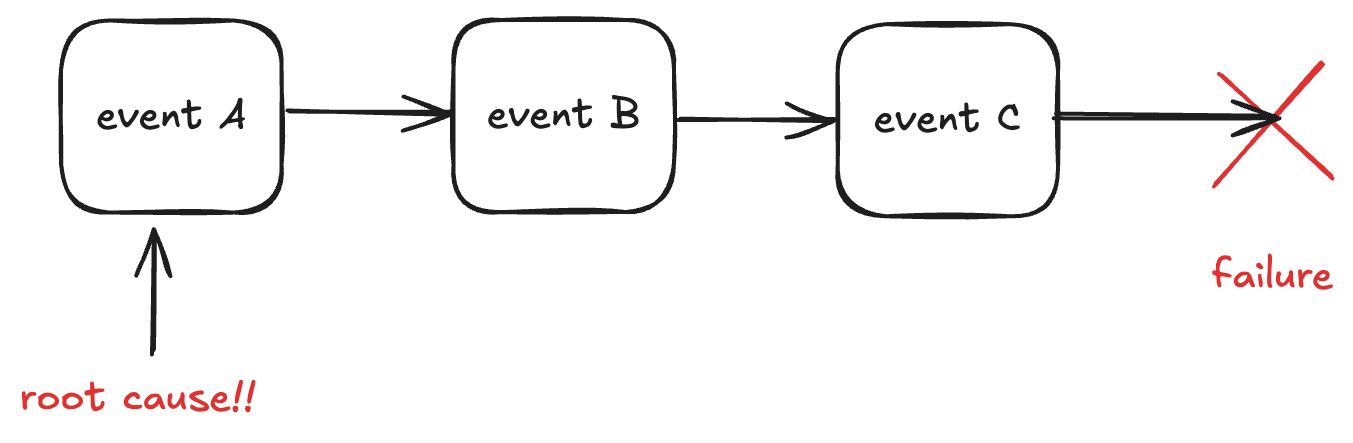
Once a secret leak incident has been identified, the scope and impact must be assessed. Secret leaks can have far-reaching consequences, potentially compromising sensitive data and services across multiple applications and services. Consequently, the investigation process must be thorough, focusing on identifying the root cause and understanding the extent of the breach.
This may involve analyzing logs, examining performance metrics, reviewing recent configuration changes, and utilizing standard troubleshooting techniques to isolate and rectify the issue.
Written by urgent.news from Dev.to's reporting — not their text. Machine-written — may contain errors; check the original before relying on it.