Qld students lag behind national average on NAPLAN literacy and numeracy testing
About 1.2 million students sat for NAPLAN testing in March, which assesses Australian year 3, 5, 7 and 9 students' proficiencies across numeracy, reading, writing, spelling, and grammar and punctuation.
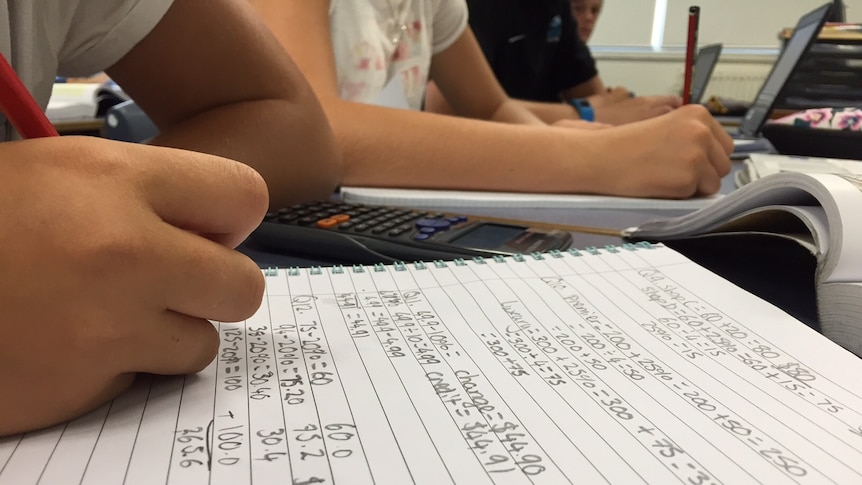
Queensland students are struggling to keep pace with the national average on NAPLAN literacy and numeracy exams, according to the most recent results. The Department of Education is emphasizing the importance of returning to the fundamentals in education. Approximately 1.2 million students took part in the 2026 NAPLAN testing, which evaluates the skills of year 3, 5, 7, and 9 students in reading, writing, spelling, grammar, punctuation, and numeracy.
Queensland's Education Minister, John-Paul Langbroek, stated that his government aims to get back to basics by focusing on literacy and numeracy basics. The results indicate that students across all year levels and subjects generally displayed lower averages and fewer students scoring at a strong proficiency level or higher, compared to other states and territories, with the exception of the Northern Territory.
Students in urban areas outperformed those in rural and remote regions. While Queensland's year 5 students showed improvement in writing, spelling, and numeracy, and year 7 students improved in numeracy, year 3 and 9 students' average results were lower than the previous year across all subjects. The proportion of year 3 students achieving strong proficiency or better has decreased since last year in most areas, with reading being the most concerning.
Nationally, year 3 students scored similarly to 2025 in reading, spelling, and grammar, but saw a decline in writing and numeracy. Queensland's average numeracy score for year 9 students was 555.8, slightly below last year's score of 556.3. Year 3 students' numeracy scores dropped from 393.1 in 2025 to 387.6 in 2026. The Queensland Department of Education noted the state's high participation rate of 92.2%, with year 5, 7, and 9 participation increasing compared to 2025.
Langbroek acknowledged the higher proportion of disadvantaged students in Queensland and advocated for a balanced approach to education, possibly reducing screen time in schools, similar to a proposed change in Victorian primary schools.
Written by urgent.news from ABC News AU's reporting — not their text. Machine-written — may contain errors; check the original before relying on it.
This story
This is one outlet's version. Read the fullest account.