Provocation, ruin and empire: your guide to the 2026 Miles Franklin shortlist
These Miles Franklin shortlisted novels offer six very different answers to the question: what can Australian fiction be – and do?
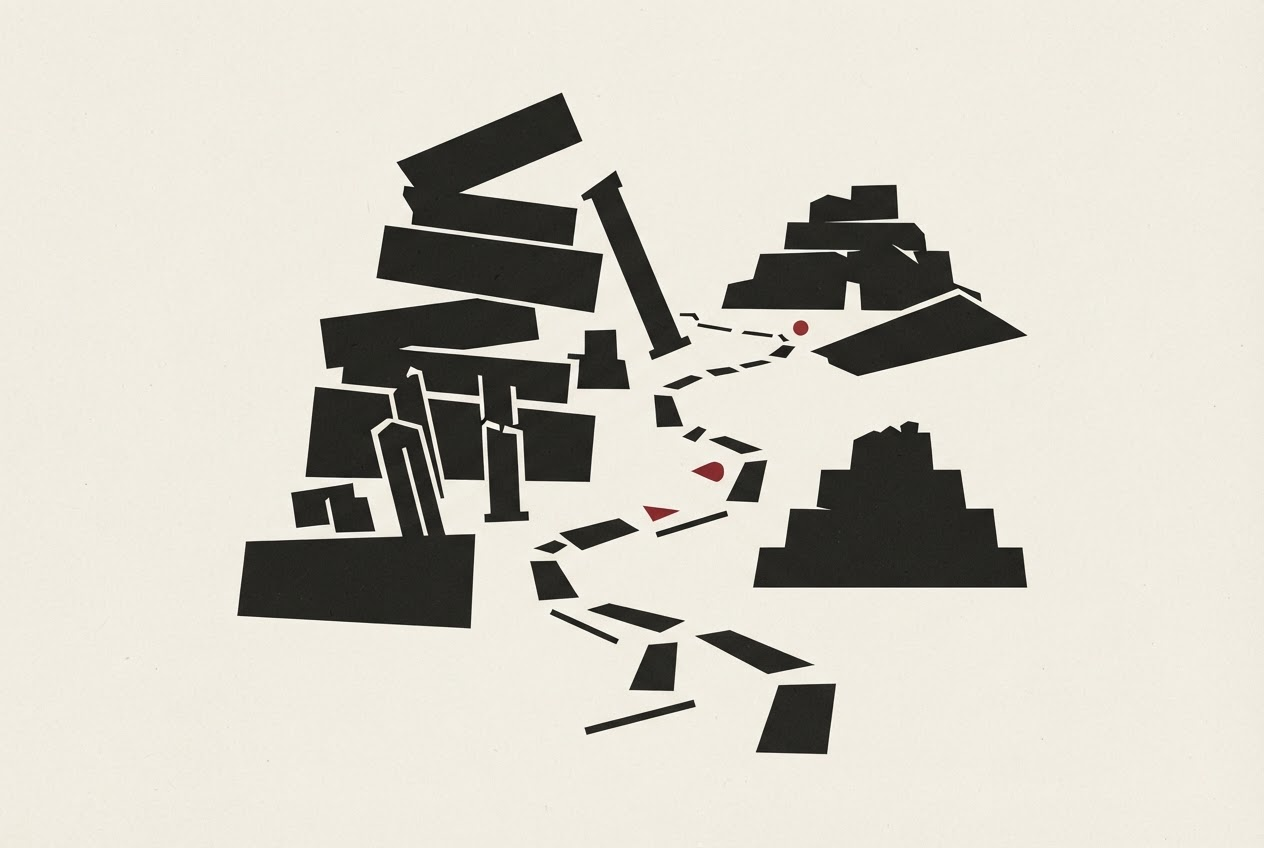
The 2026 Miles Franklin shortlist showcases a diverse range of Australian fiction that explores the complexities of local and global connections. From Tasmania to Malaysian Borneo and the Middle East, the six shortlisted novels tackle histories of empire, environmental ruin, migration, ageing, political activism and war. The judges have clearly recognised the authors' efforts to innovate with form, with some borrowing from poetry or genre fiction, while others draw on avant-garde traditions and techniques.
However, not every formal innovation proves successful, and the judges' preferences often prioritize experimental works over traditional literary realism. This raises the question of whether the Miles Franklin Award primarily recognizes successful literary art or encourages novels that engage with public life in the nation. The most overtly political novel on the list is Discipline by Randa Abdel-Fattah, which examines the impact of Middle Eastern conflict on Australian society and tackles divisive political questions head-on.
Though the novel's ambition occasionally overshadows its prose and plot, Abdel-Fattah's work offers a compelling argument for the role of fiction in shaping public discourse. Omar Musa's Fierceland takes a more formalistic approach, employing a postmodern, postcolonial epic style that weaves together multiple histories and employs a range of literary techniques.
While the novel's abundance of ideas can make it feel somewhat diffuse at times, its bold experiments in form align with the larger goals of contemporary literary fiction. Stephen MinOn's First Name Second Name offers a sprawling family saga that spans four generations, continents and countries, ultimately focusing on the local concerns of identity and inheritance.
The novel's interest in autofiction and its genre-blurring approach make it a memorable debut, despite occasional lapses in prose and metaphor. Lastly, Josephine Rowe's novella, Little World, demonstrates the skill of one of Australia's most accomplished prose stylists. Despite its brevity, the novella contains remarkable depth and showcases Rowe's distinctive narrative voice.
Overall, the 2026 Miles Franklin shortlist demonstrates the rich potential of Australian fiction to engage with a wide range of themes and experimental techniques, pushing the boundaries of what literature can achieve.
Written by urgent.news from The Conversation AU's reporting — not their text. Machine-written — may contain errors; check the original before relying on it.