Producing spider silk is a biological feat – scientists are using it to develop materials for drug delivery and wound care
If Spider-Man were real, he could help scientists revolutionize healthcare. Since he’s not, researchers develop creative ways to produce spider silk to study.
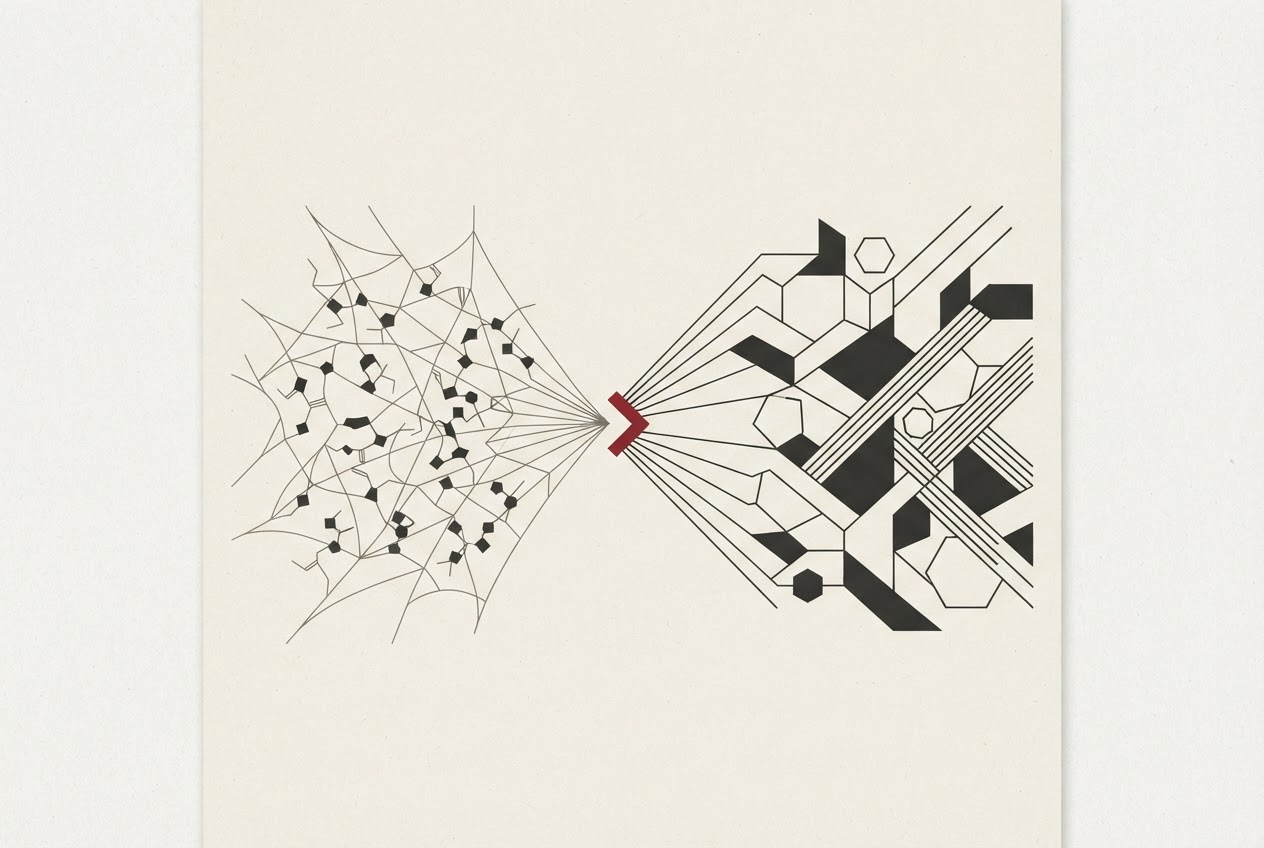
Spider silk is a remarkable material created by spiders, whose webs showcase its exceptional properties. Unlike the synthetic webbing seen in the 2026 film "Spider-Man: Brand New Day," real spider silk is a carefully crafted structure, not just a single thread. Scientists have long studied spider silk, seeking to adapt its unique qualities for various technological uses, including drug delivery and wound care.
The spider silk consists mainly of large spidroin proteins, which give it both strength and toughness. These proteins are produced in specialized glands located in the spider's abdomen. When the spider constructs a web, it uses different types of silk for various purposes, such as building the web's frame, creating sticky capture spirals to trap prey, and even forming temporary scaffolding.
Spider webs are not only strong but also elastic, allowing them to stretch and absorb energy when an insect becomes entangled. This combination of strength and elasticity makes spider silk an attractive material for biomedical applications. Researchers study spider silk by inserting silk genes into bacteria or other cells, which then produce engineered silk proteins that can be shaped into various forms, such as particles, films, gels, fibers, and porous scaffolds.
This bioengineering approach allows scientists to harness the unique properties of spider silk for innovative medical devices and treatments.
Written by urgent.news from The Conversation's reporting — not their text. Machine-written — may contain errors; check the original before relying on it.