‘People thought I was taking extra breaks’: The hidden pressures breastfeeding mothers face at work
Nearly 9 in 10 mothers encountered at least one work-related barrier, like insufficient time to express milk.
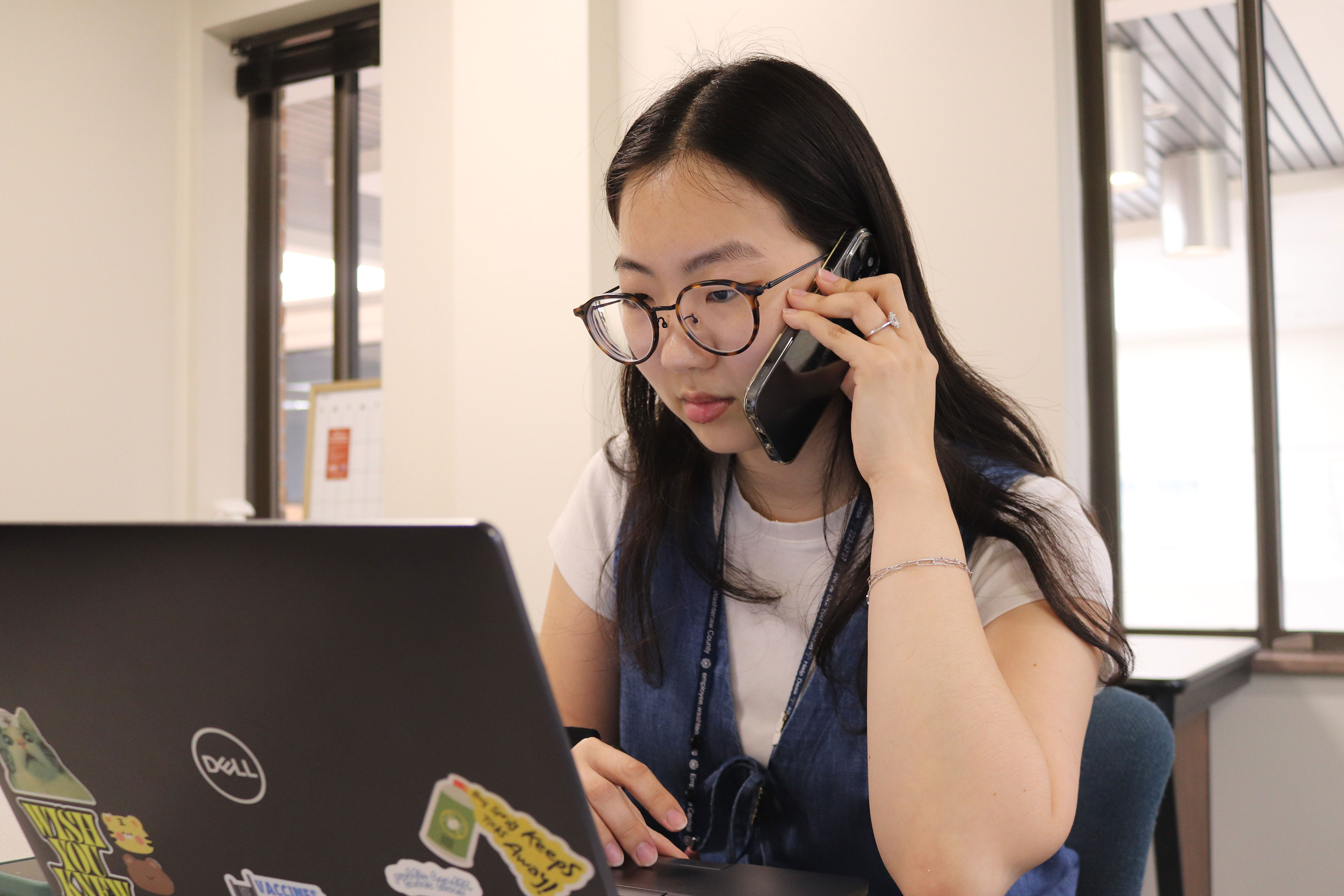
Amanda, a finance professional, returned to work four months after her first child's birth in 2022. She had access to a dedicated mothers' room with necessary facilities, but faced workplace culture challenges. Her boss was concerned about her visibility, and male colleagues joked about her breaks. To avoid attention, Amanda shortened her pumping sessions, opting for one during lunch instead of twice at work.
She felt the need to adjust her schedule to fit work, rather than her baby's needs. Amanda decided to stop breastfeeding when she started working due to micro-aggressions and perceived lack of support from management and HR. A survey by Go!Mama found that nearly nine out of ten mothers encountered work-related barriers, such as insufficient time to express milk, difficulty balancing work and breastfeeding, or unsuitable spaces.
Two-thirds of respondents said returning to work altered their breastfeeding methods, including shortening sessions, switching feeding methods, or stopping earlier. The survey polled 202 mothers, part of a larger study to be released in 2026. The proportion of mothers initiating exclusive breastfeeding upon discharge from hospitals in Singapore remains stable, but sustaining breastfeeding post-maternity leave remains a challenge.
Facilities for breastfeeding have improved, thanks to the Building and Construction Authority's (BCA) Code on Accessibility and the Tripartite Standard on Work-Life Harmony, which encourages employers to provide lactation breaks and support. Some mothers turn to wearable breast pumps, hybrid work arrangements, or express milk in less ideal locations when no suitable spaces are available.
Written by urgent.news from Straits Times's reporting — not their text. Machine-written — may contain errors; check the original before relying on it.