Parts of the UK endure first ever month without any rain
For the first time since records began, there was no rain at all for parts of southern England and Wales in July, in a “truly exceptional” month of heat and sunshine
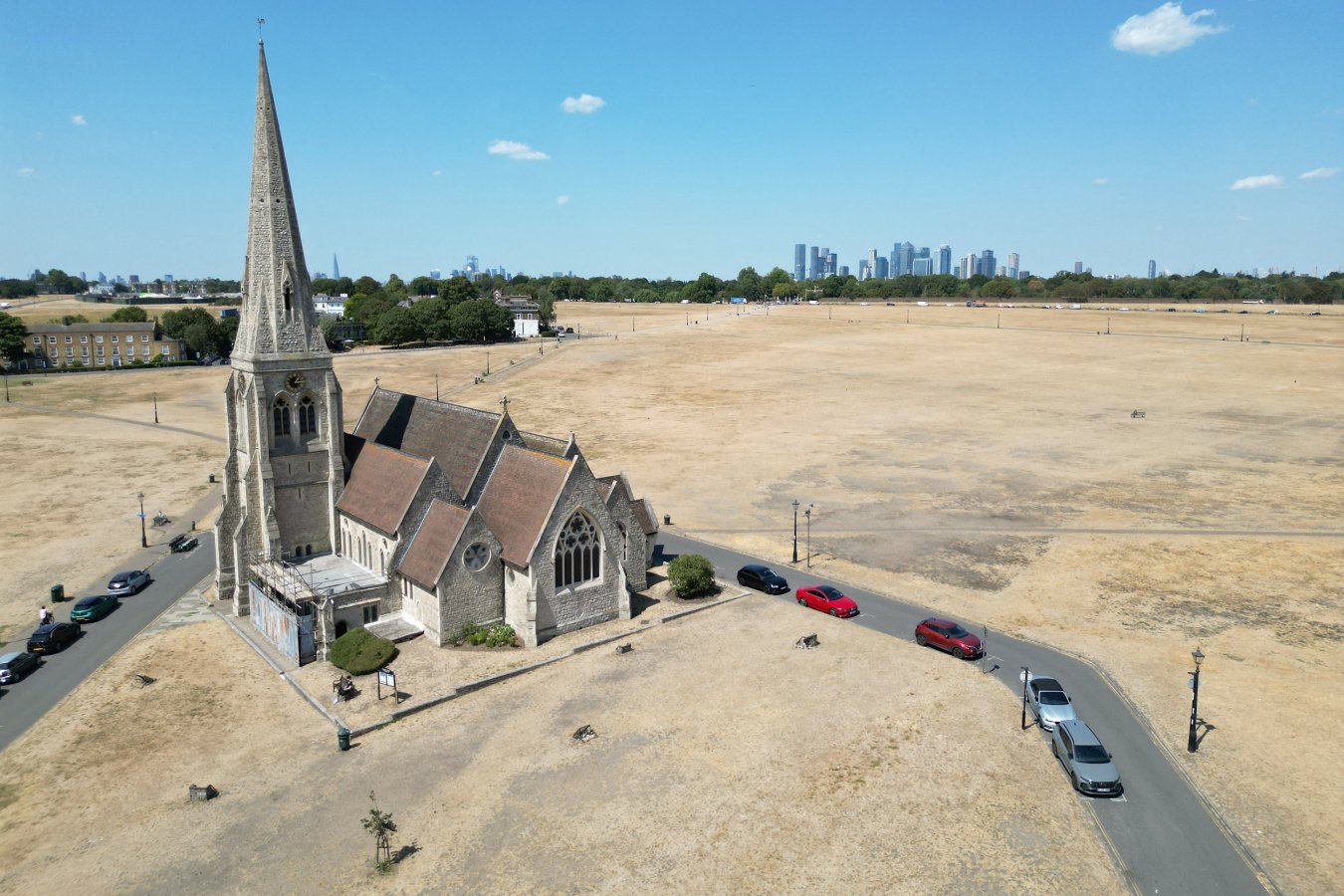
For the first time in recorded history, parts of the United Kingdom experienced a month in July without any rainfall, highlighting the severity of the ongoing drought. London's Kew Gardens weather station, which has been monitored since 1871, recorded zero rainfall throughout the entire month, marking a significant change from previous years.
Heathrow Airport in London has witnessed 42 consecutive days without rain, a new record since observations began in 1948. In the Reading area, zero rainfall was recorded for the first time since 1858, with only 0.1 millimeters of rain in the entire month. This extreme weather pattern is consistent across southern England, with at least 20 Met Office weather stations reporting zero July rainfall for the first time in their history.
The Met Office described July 2026 as "truly exceptional," with England and Wales experiencing their driest July in 190 years, alongside extreme heat and sunny conditions. Rainfall in southern England averaged only 1.5 millimeters for July, which is just 2% of the average rainfall from 1991 to 2020. Mean temperatures were 3.2°C above the typical July average.
The drought has caused landscapes to turn yellow, sparked wildfires, and left farmers concerned about crop shortages. Over half of England and all of Wales are now officially in drought conditions. The prolonged heat and dry weather has also led to severe wildfires and low water levels on major rivers, causing operational disruptions in Europe.
While the arrival of rain would provide relief, the risk of flash flooding remains high due to the parched soil and stressed reservoirs.
Written by urgent.news from New Scientist's reporting — not their text. Machine-written — may contain errors; check the original before relying on it.