Pakistan, Iran reaffirm resolve to expand bilateral trade to $10bn
ISLAMABAD: Pakistan and Iran on Tuesday reiterated their resolve to expand bilateral trade to $10 billion, with Commerce Minister Jam calling for transforming “historic brotherly relations” with Iran into a robust economic partnership. Since March this year, both countries have rolled out a series of measures to facilitate border trade, including easing customs procedures, formalising Taftan as a…
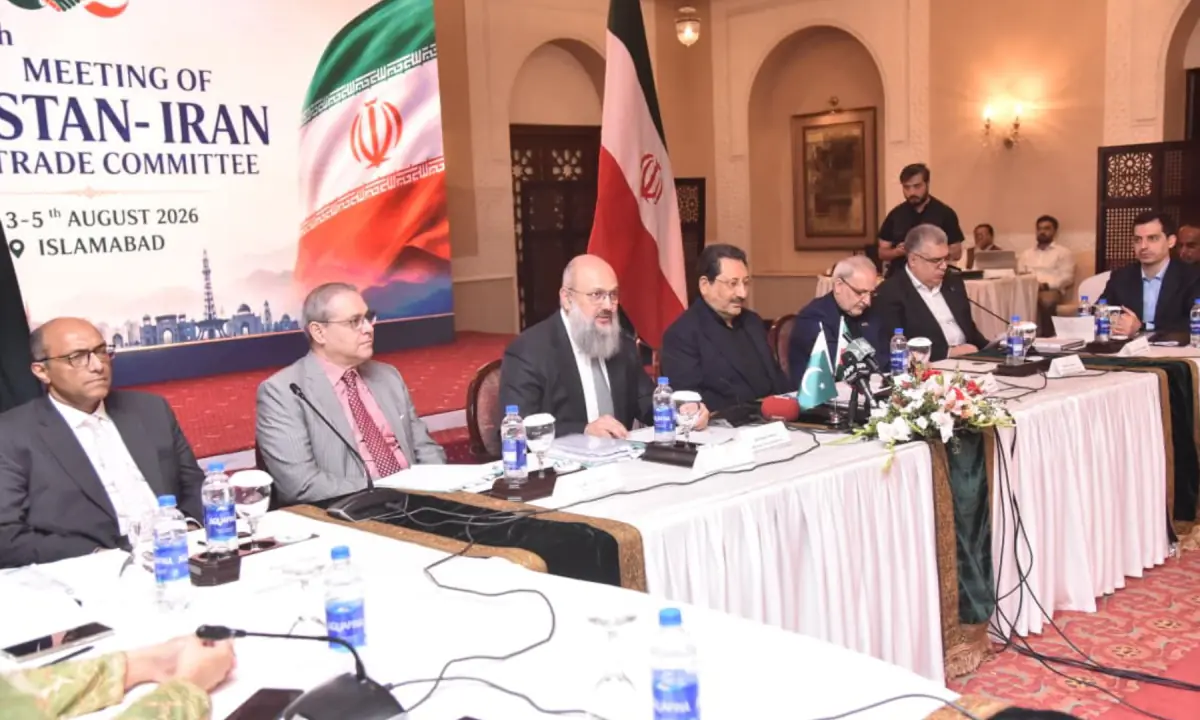
Pakistan and Iran affirmed their commitment to bolstering bilateral trade to a potential $10 billion during their 10th Joint Trade Committee meeting in Islamabad. Commerce Minister Jam Kamal Khan emphasized the need to convert their "historic brotherly relations" into a strong economic partnership, urging the removal of obstacles in border logistics and cargo movement.
Both nations have been actively promoting border trade since March, implementing measures like easing customs procedures, designating Taftan as a customs station, and outlining new transit routes. The meeting, chaired by Iranian Industry, Mine and Trade Minister Mohammad Atabak, reviewed existing initiatives and explored new avenues for economic growth, such as electricity trade and regional connectivity via Karachi and Gwadar ports.
Iran expressed its intention to expand regional trade and logistics cooperation through these ports, expressing optimism about soon concluding the Pak–Iran Free Trade Agreement. Atabak highlighted electricity trade and regional connectivity as promising opportunities for bilateral collaboration. The meeting comes two weeks after Iranian Interior Minister Eskandar Momeni's visit to Islamabad, where both sides agreed to enhance railway cooperation, revive the Islamabad-Tehran-Istanbul freight train service, and improve regional connectivity.
Additionally, Pakistan permitted land-route exports of various food items and pharmaceuticals to Iran in March, aiming to strengthen border management and facilitate cross-border trade.
Written by urgent.news from Dawn Business's reporting — not their text. Machine-written — may contain errors; check the original before relying on it.