Ore Energy Raises $43 Million to Build Lasting Rust Batteries for the AI Era
Europe has a renewable problem that isn’t expensive to solve. The concern with wind and solar, while cheap, is that they disappear. Ore Energy raises $43 million in series A The post Ore Energy Raises $43 Million to Build Lasting Rust Batteries for the AI Era appeared first on Ventureburn .
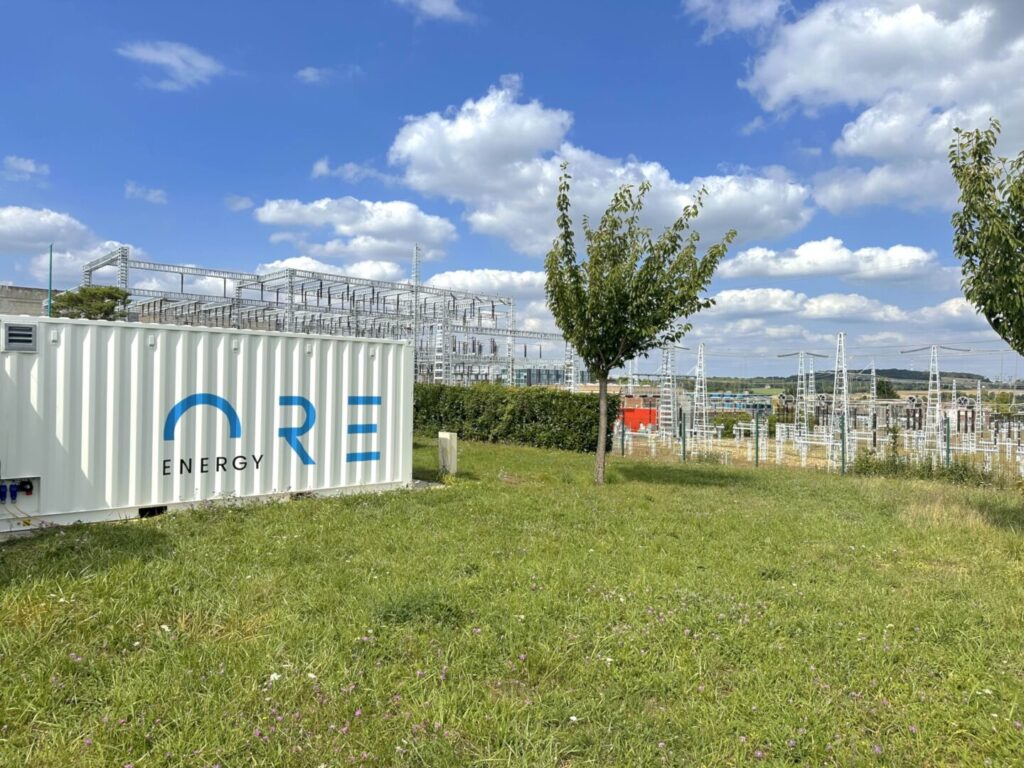
Ore Energy has successfully raised $43 million in Series A funding to develop iron-air batteries capable of storing power for up to 100 hours at a fraction of the cost of traditional lithium-ion batteries. The company aims to address Europe's renewable energy problem by providing a solution to the intermittent nature of wind and solar power.
These rust batteries, which consist of electrodes, water, and air, work by utilizing the natural process of rusting and unrusting to store and release energy. The startup's CEO emphasizes that their main competitor isn't other batteries, but rather natural gas, as gas plants currently step in to fill the gap when there's a multi-day lull in renewable energy production.
Ore Energy has already signed agreements with Dutch energy supplier Budget Thuis and is running pilots with French utility EDF, with the goal of reaching gigawatt-hour-scale production by 2028 and making iron-air batteries a core part of European grid infrastructure by 2035. The $43 million funding round, led by Plural and HV, brings the company's total funding to $61 million and follows a $20 million round led by June AI for automating enterprise AI deployment.
Written by urgent.news from Ventureburn's reporting — not their text. Machine-written — may contain errors; check the original before relying on it.