On this day in space! Aug. 4, 2007: NASA launches Phoenix Mars lander to Red Planet
On Aug. 4, 2007, NASA launched its Phoenix Mars Lander on a mission to touch down in the Martian arctic for the first time. Here's why it mattered.
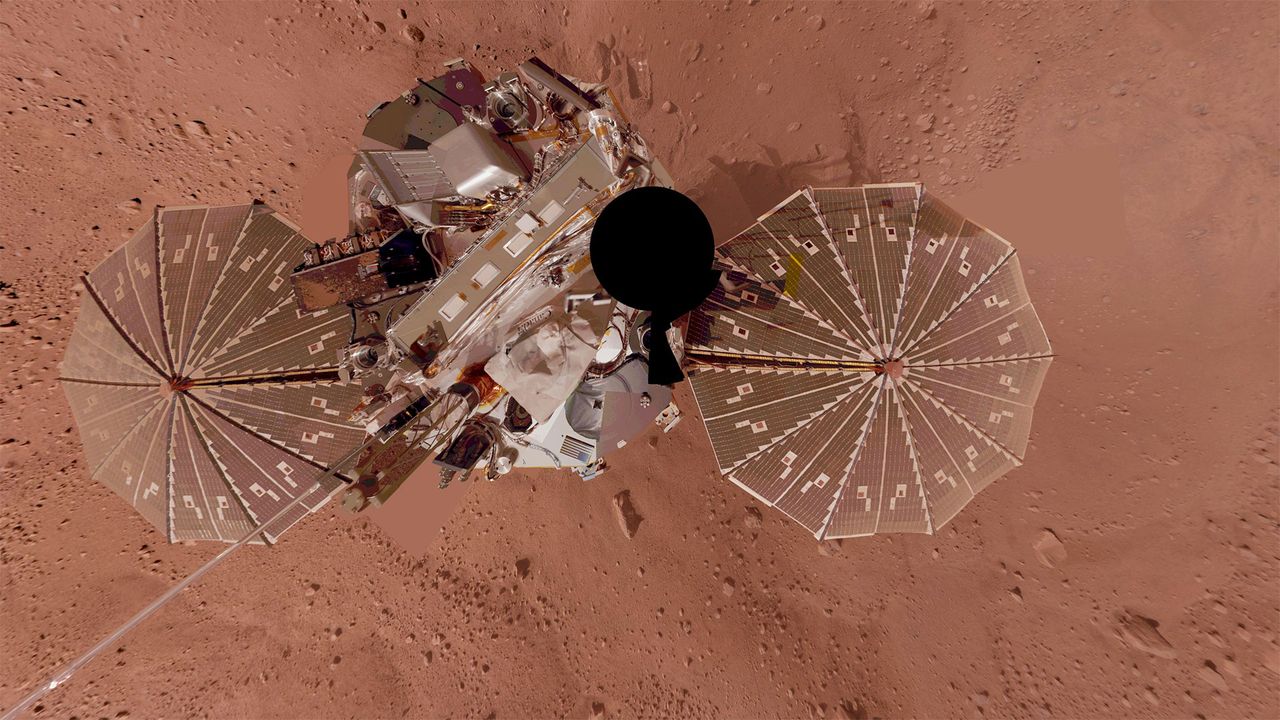
On August 4, 2007, NASA successfully launched its Phoenix Mars Lander on an ambitious mission to explore the Red Planet. The robotic spacecraft was tasked with searching for environments that could potentially support microbial life and studying the history of water on Mars. After a 10-month journey, the lander arrived at Mars and made a historic landing in the northern arctic plains of Vastitas Borealis, surpassing any previous spacecraft in its northern reach.
Upon arrival, Phoenix made a groundbreaking discovery by detecting both water-ice and potential small pools of liquid water beneath the surface. The lander's name was a symbolic tribute to its origins - a repurposed version of the 2001 Mars Surveyor lander that met a tragic end when NASA's Mars Polar Lander went missing in 1999. Phoenix was equipped with advanced scientific instruments, a new design, and a fresh mission to investigate Mars' arctic region.
Throughout its mission, Phoenix utilized its robotic arm to excavate the Martian soil, unearthing vital evidence of subsurface ice. The most significant discovery came in the form of perchlorate, an oxidizing chemical that can serve as nourishment for some microbes while being toxic to others. After enduring Martian winters for a remarkably extended period, the Phoenix Mars Lander ceased communication in November 2008.
Later observations from NASA's Mars Reconnaissance Orbiter revealed that the lander may have suffered severe ice damage to one of its solar panels, ultimately leading to its demise.
Written by urgent.news from Space.com's reporting — not their text. Machine-written — may contain errors; check the original before relying on it.