New study details how ketamine alters neural networks differently in males and females
A recent study indicates that female mice experience distinct brain rewiring after ketamine anesthesia. Researchers found that a surge in the stress hormone corticosterone drives immune cells to build new neural connections, a process absent in males.
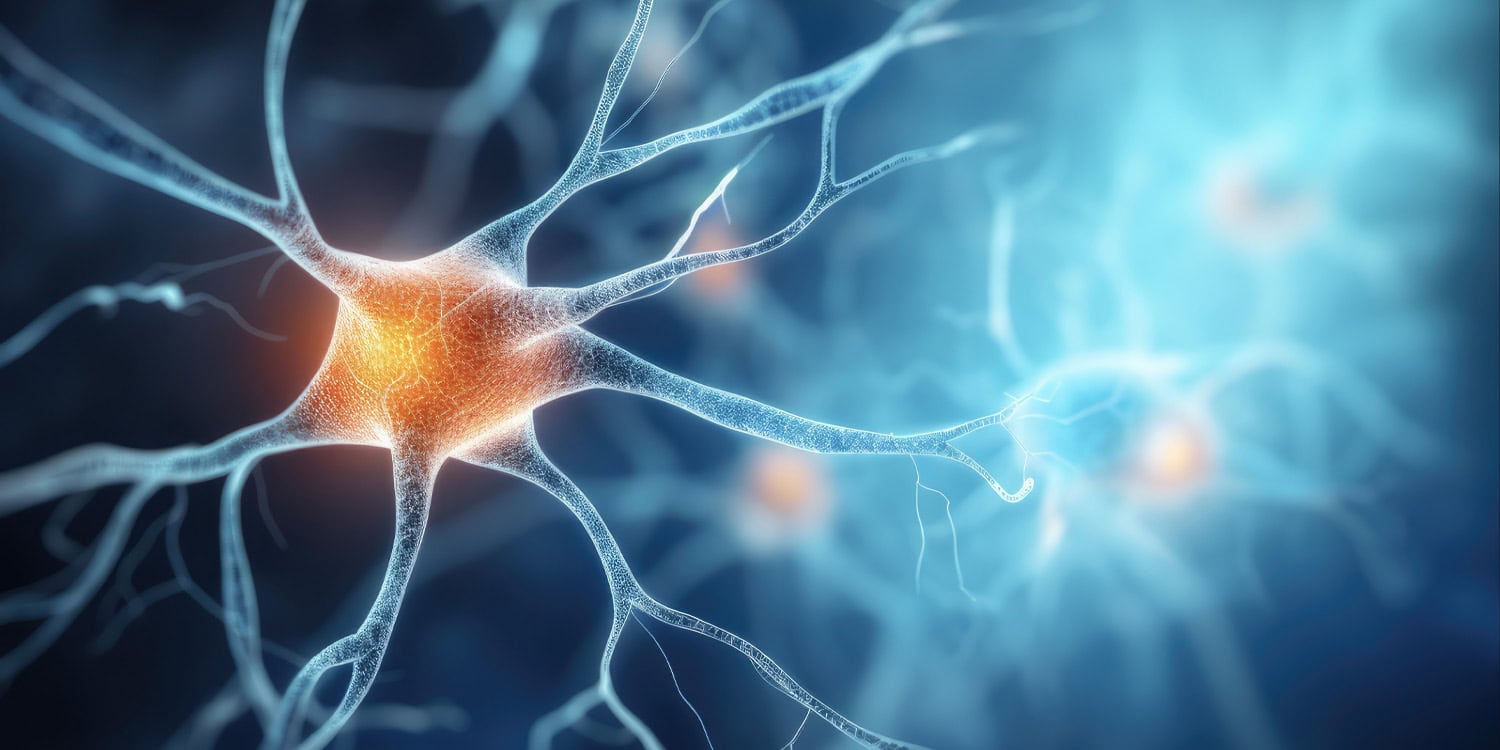
A recent study published in Science Advances reveals that the brain's response to ketamine anesthesia differs between male and female mice. The research, conducted by Sandra Siegert and her team at the Institute of Science and Technology Austria, and the Allen Institute, indicates that the stress hormone corticosterone triggers specialized immune cells in females, promoting new neural connections.
The study focused on microglia, the immune cells of the brain, which play a role in neuroplasticity, the brain's ability to reorganize itself after widespread dampening. The researchers administered a single ketamine dose to male and female mice, then examined brain tissue from the primary visual cortex, focusing on the CD68 protein, a marker for microglia activity.
They found that CD68 volume increased only in females, and two-photon microscopy showed female microglia making more frequent physical contact with dendritic spines, the sites where synapses form. Additionally, the frequency of electrical signals between neurons increased in females, indicating newly formed, functional synaptic connections.
Blocking the Fkbp5 gene, which is upregulated in response to corticosterone, neutralized the female-specific increase in microglial reactivity and neuronal electrical signaling. The study also demonstrated that circulating corticosterone levels dictate microglial interactions.
Written by urgent.news from PsyPost's reporting — not their text. Machine-written — may contain errors; check the original before relying on it.