NASA Engineers Help Prolong Voyager 2’s Science Mission
Engineers at NASA’s Jet Propulsion Laboratory have successfully freed up power on Voyager 2, extending how long the spacecraft can continue to do science. Nicknamed the “Big Bang,” the effort involved simultaneously turning off certain powered devices and substituting them with lower-power alternatives while ensuring the spacecraft remains warm enough to operate. The Voyagers get their power from…
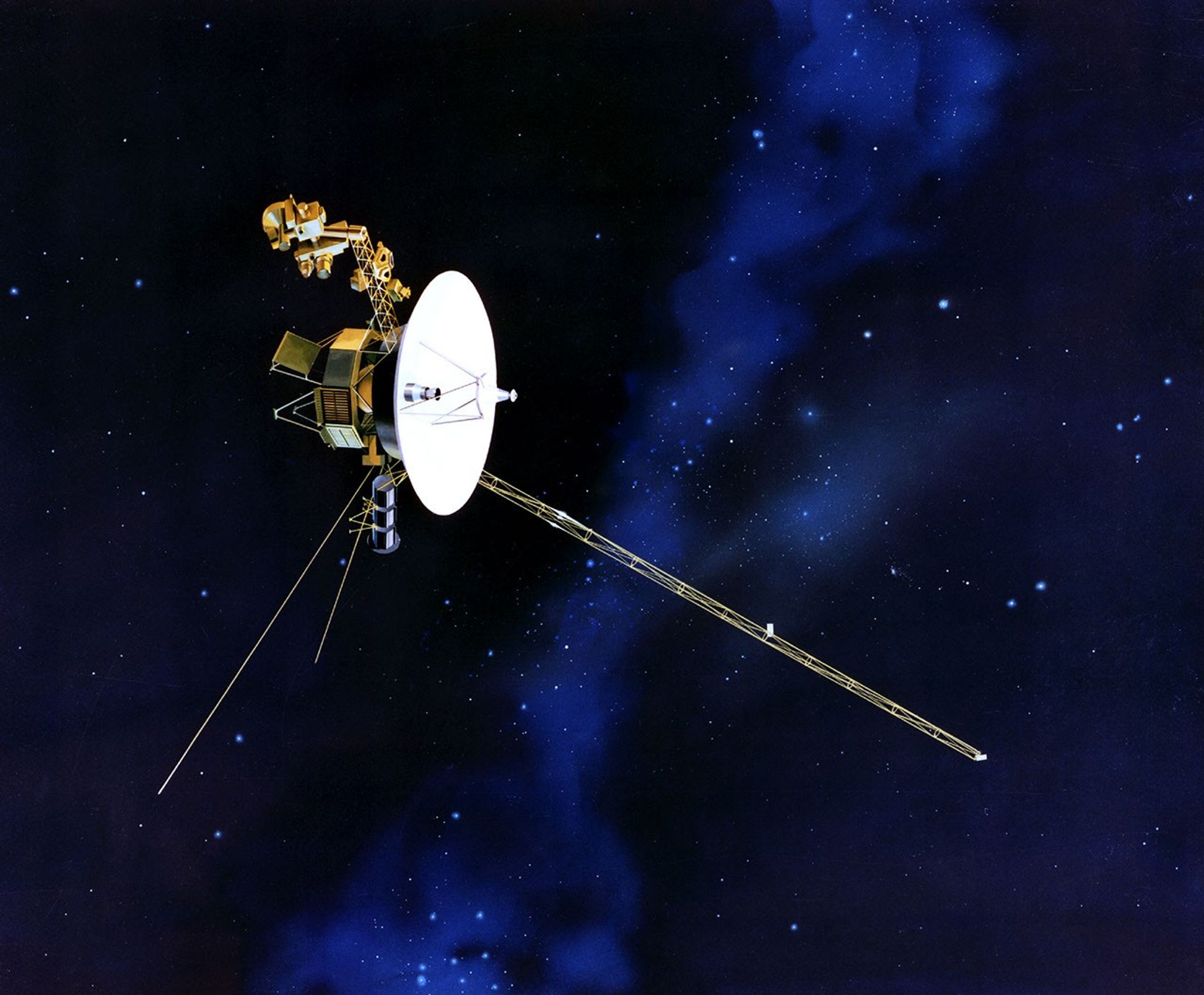
NASA's Voyager 2 spacecraft, equipped with three science instruments, has managed to operate them longer than expected due to ingenious engineering by the mission team. NASA's Jet Propulsion Laboratory engineers successfully optimized power consumption, enabling the spacecraft to continue its scientific pursuits. Renowned as the "Big Bang," this effort involved deactivating certain powered devices and replacing them with lower-power alternatives, all while ensuring the spacecraft maintains adequate warmth to function.
Voyager 2 relies on radioisotope thermoelectric generators (RTGs) that convert heat from decaying plutonium into electricity. As the plutonium supply continues to diminish, the spacecraft loses approximately 4 watts of power annually. With the spacecraft's power margins now extremely tight, the team has had to conserve energy by turning off non-essential devices and systems.
Since 2024, this power-saving measure has prompted the shutdown of two science instruments on each Voyager spacecraft (each has 10 instruments). Previously, some instruments were turned off after the mission's planetary encounters.
If not for the Big Bang activity, Voyager 2 would have been forced to turn off an additional instrument before the end of 2026. However, thanks to this clever engineering, the mission should now be able to operate its three science instruments for at least another year. The mission team intends to perform the same power-saving swap on Voyager 1, which is even farther from Earth than Voyager 2, and aims to complete the process in the coming months. For additional information about NASA's Voyager mission, visit the provided link.
Written by urgent.news from NASA Science's reporting — not their text. Machine-written — may contain errors; check the original before relying on it.