Mysterious elephant deaths in Kenya raise questions around pesticides
A wave of Kenyan elephant deaths has been blamed on pesticides, but experts tell the BBC they are doubtful.

Recent deaths of 15 elephants in Kenya may have been caused by pesticides sprayed on nearby tomato farms, raising concerns and questions in the country. The Kenya Wildlife Service (KWS) initially suggested that the elephants experienced partial paralysis due to cyanide poisoning from the pesticides. However, local farmers and conservationists remain skeptical. Daniel Nina, who represents landowners in the area, stated that they have never witnessed such an occurrence and are puzzled by the current events.
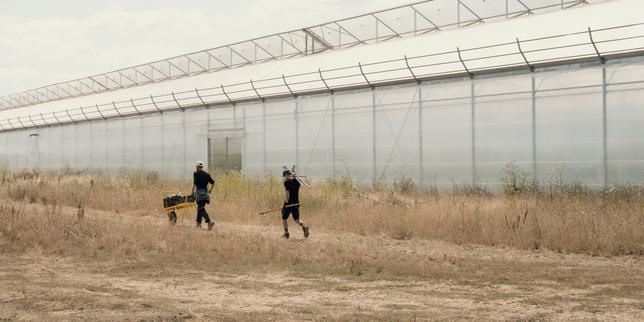
The tomato farms are located in the Kimana area, a vital corridor between Amboseli National Park and Tsavo National Park. The Amboseli ecosystem, straddling the border with Tanzania, is home to over 2,000 elephants that travel in search of food and water. The pesticide suppliers' actions are difficult to determine at this stage, as no clear evidence has been found, and previous cases of poisoning have involved different animals.
Chief vet of Kenya's Wildlife Service, Dr. Isaac Lekolool, found traces of cyanide in the elephants' stomachs but is not ruling out deliberate poisoning. His team is working on the assumption that the elephants were exposed to the toxin through pesticides sprayed on nearby tomato farms, either unintentionally or as part of pest control measures.
A 2024 report by Kenyan food safety initiative Route to Food revealed that a farmer in the Kimana area was using an insecticide containing a cyanide compound, despite it being illegal in Kenya. Farmers often acquire these toxic agrochemicals through smuggling from Tanzania, where regulations are reportedly lax and enforcement is weak. Dr. Wangunyu Njuguna, author of the report, emphasized that this problem remains unaddressed due to insufficient regional checks on the legality of these substances.
Renowned conservationist Paula Kahumbu questioned the initial findings from the Kenya Wildlife Service, arguing that there is insufficient detailed information to confirm the pesticide theory. Other experts believe that the pesticide theory conflicts with elephant behavior, as males are more likely to raid farms due to their risk-taking nature, and only one of the affected elephants was an adult male.
Furthermore, local landowner Stephen Michael expressed his frustration at the elephants' habit of raiding his farms, which have been destroyed by these animals in the past. Frank Pope, CEO of conservation organization Save the Elephants, pointed out that human-wildlife conflict is exacerbated by the encroachment of farms and lodges into elephant habitats. He believes that the pressure on Amboseli's elephants is not solely due to ivory poaching but also due to land-use changes around the park.
Written by urgent.news from BBC Science's reporting — not their text. Machine-written — may contain errors; check the original before relying on it.
This story
This is one outlet's version. Read the fullest account.