Military and Society: Return to Civilian Service? Why Social Associations Aren't Celebrating
In the event of a new conscription, the Family Ministry is testing social institutions. Would there be places for conscientious objectors? There would be, say associations. And yet many see question marks.
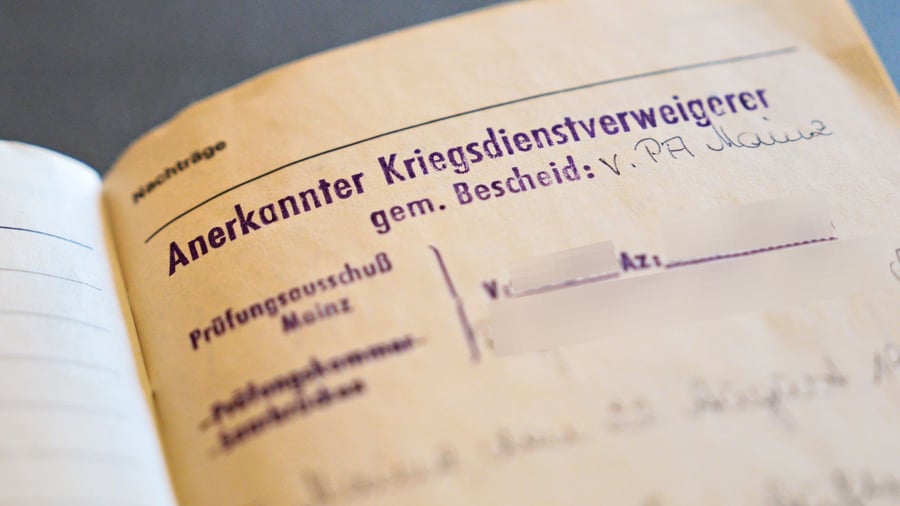
The German government is preparing to reactivate the civilian service option in case of a return to compulsory military service. The Federal Ministry for Family Affairs consulted 23 major associations to inquire if places for potential conscientious objectors would be available. Union leader Thorsten Frei confirmed to RTL/ntv that the government is preparing for "eventualities."
However, social associations responded skeptically. The Paritätische Gesamtverband stated that they support the strengthening of voluntary services, warning that reintroducing a new civilian service during a compulsory military service could negatively impact volunteer work. Similarly, Social Association Germany emphasized the need to strengthen voluntary engagement and the Federal Voluntary Year, rather than relying on compulsory measures.
Diakonie President Rüdiger Schuch highlighted the role of voluntary services as a "motor for democracy." The civilian service ended in 2011, marking the end of the civilian substitute service for young men who refused to serve in the Bundeswehr for conscientious reasons. Approximately 80,000 "Zivils" served in social institutions before the military service was suspended in 2010, totaling 2.7 million over the years.
The Bundesfreiwilligendienst, launched in July 2011 with around 35,000 annual spots, was created as an alternative to military service. The Union supports the option, while the SPD opposes it. Since the beginning of the year, a mandatory draft has been in place for young men born in 2008 to recruit volunteers for the planned expansion of the Bundeswehr.
If targets are not met, the Bundestag could decide on a "need-based military service." The Grundgesetz clause allowing conscientious objection to military service would then apply. The potential return to civilian service remains unclear. Initially, "Bild" reported on preparations for its possible revival. A Family Ministry spokesperson confirmed the information to the German Press Agency, stating that associations contacted in winter were asked about their willingness to host conscientious objectors in case of a return to general military service.
All 23 associations indicated they could provide places. "As long as there is no general military service, there will be no new civilian service," the spokesperson explained. "Should general military service be reintroduced, the groundwork for a modern civilian service must be laid." The Bundesfreiwilligendienst's number would depend on whether, when, and to what extent military service is ordered under § 2a of the Military Service Act.
Caritas warned against expectations, stating that only as many conscientious objectors would be inducted as the Bundeswehr needed, based on solid criteria. Caritas President Eva Welskop-Deffaa argued that a need-based military service would only induct as many young men as the Bundeswehr required, based on objective criteria. Consequently, only a few young men would likely refuse military service.
"Those who believe that social institutions' personnel problems could be solved this way are setting unrealistic expectations," she said. The German Red Cross advocated for forward planning, stating that the DRK knew what was needed to enable young people to meaningfully contribute to society. DRK President Hermann Gröhe told the "Rheinischen Post" that only a sufficient number of conscientious objectors would enable meaningful service.
However, they required sufficient time and reliable funding. Former CDU politician Ulrich Schneider, now a board member of the Left, stated that while the civilian service compensated for some gaps left by the suspension of military service, it could not fully replace it. Young men, for example, had more time to fill gaps in nursing facilities where staff were often lacking.
However, Schneider argued that the voluntary nature of the service had been a major strength, contributing significantly to the system's stability. He even went as far as to suggest that a revival of military service and civilian service might not happen. He noted that many had once accepted military service as a given, but now questioned its necessity. This questioning could not be reversed, according to Schneider.
Written by urgent.news from Handelsblatt's reporting — not their text. Machine-written — may contain errors; check the original before relying on it.