LINE IN THE SAND: Treasury again cracks transfers whip over errant municipalities
It is deeply worrying that the situation has reached this point. The Treasury has clearly hit the limits of its patience, forcing it to draw a line in the sand. Years of support and guidance have been flushed down a drain of negligence
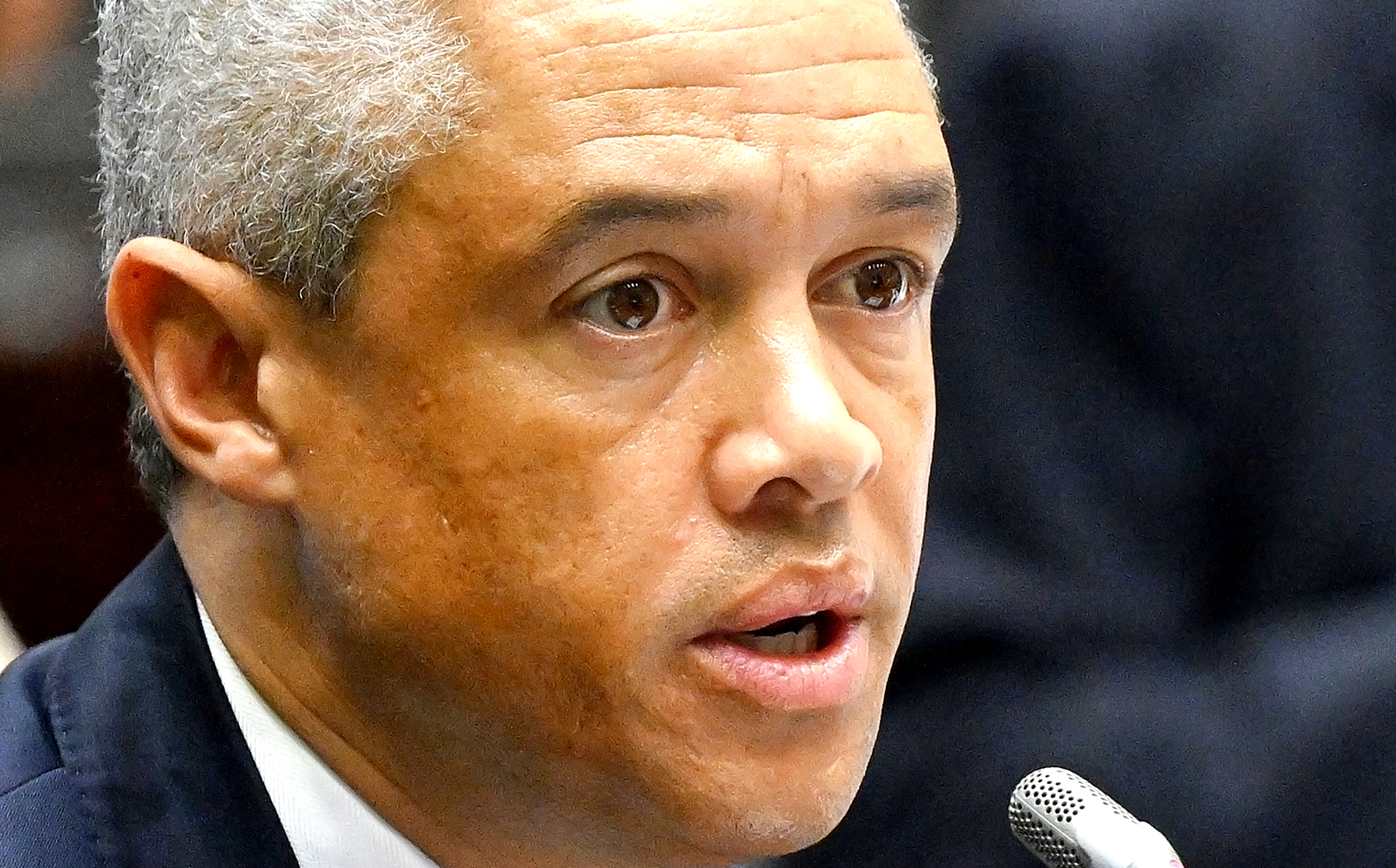
The Treasury has once again warned municipalities in South Africa to improve their financial and governance practices or face the withholding of equitable share transfers. This stern message was delivered by Director-General Duncan Pieterse at the Absa Consumer Conference, drawing a line in the sand after years of support and guidance have been exhausted.
Last week, Finance Minister Enoch Godongwana released withheld transfers totaling R4.2 billion to creditors. However, Pieterse emphasized that municipalities must rectify their serious financial and governance weaknesses before receiving further transfers. The impetus for these measures stems from water supply issues, with water boards Vaal Central Water and Magalies Water facing imminent bankruptcy due to municipalities' non-payment of raw water.
In September 2024, the equitable share payments of these municipalities were withheld until they settled their debts, preventing a potential financial crisis. Since then, other failing municipalities have been warned against ignoring the necessary steps to correct their shortcomings. While the Treasury's actions are a corrective measure, they are a last resort, as equitable share transfers cannot be withheld for more than 30 days without parliamentary approval.
If this becomes a chronic issue, municipalities will have to change their ways. The reforms, including the upcoming R54-billion Metro Trading Services Reform, aim to boost infrastructure investment and reinvest revenue in critical services. However, the political climate, with local elections approaching, may also play a role in the implementation of these measures.
Written by urgent.news from Daily Maverick's reporting — not their text. Machine-written — may contain errors; check the original before relying on it.