Business: China's march into a slump is weighing on Germany's industry
A potentially protracted crisis is brewing in China. For the ailing German economy, this is doubly bad news.
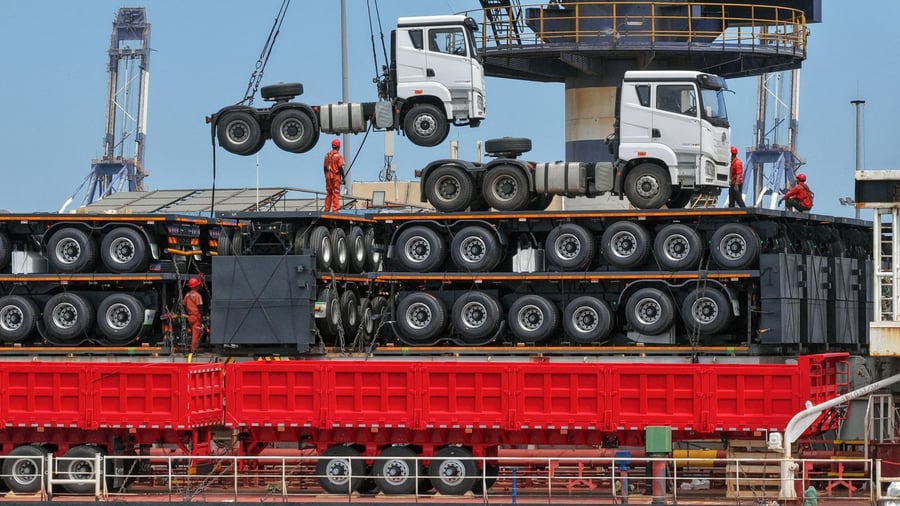
China's economic slowdown is taking a toll on Germany's industry, as the country's weakened demand impacts Chinese and foreign firms. Many German industry companies are focusing on increasing exports to China, but this presents a double-edged sword: they lose market share in China while also facing reduced demand in other parts of the world.
Economists and financial experts discuss the possibility of China heading towards a "Japanification" – a potentially decades-long stagnation, similar to Japan's experience in the 1990s after its rapid economic growth ended with a real estate bubble.
If China's economy slows down, it will have global consequences. Currently, the weak demand in China is burdening businesses of both Chinese and foreign companies. Oliver Oehms, the head of the German Export Chamber in North China, states that the country does not expect a noticeable improvement in its domestic economy in the near future. Beijing continues to prioritize improving the supply side rather than creating incentives for more demand.
The reasons for China's slowdown are somewhat peculiar: they invested too much. In contrast to Germany, where public investments amount to about 15% of total investments, China has a higher share of public investments compared to private ones. The government ensures that growth targets are met by investing in the planned growth figures. However, the money is not being effectively spent, with significant misallocations.
China invests more than 40% of its entire economic output, yet the economy grows only by 4-5%. This situation is comparable to a company investing a large portion of its value creation in investments but not generating enough profit to grow significantly. Prominent economist, Ifo President Clemens Fuest, concludes that something is not right. The International Monetary Fund (IMF) even classified China's investments as "excessive" in a 2025 paper, stating that China creates artificial growth.
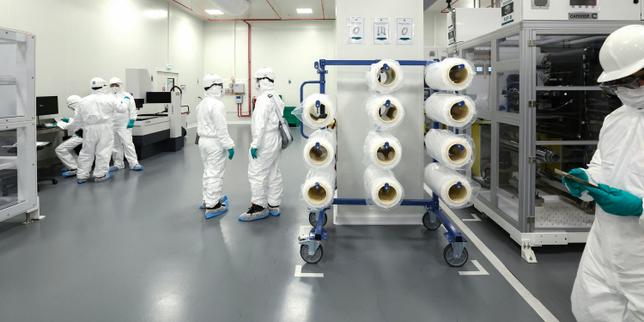
Chinese industry has spent enormous sums on research and development and the construction of new factories under state-led direction. Chinese companies have surpassed Western and Japanese firms in some areas, boasting fully automated factories with massive capacities. However, this progress comes at a high cost - a growing debt burden. According to the IMF's forecast, the private sector's debt in China, excluding banks, will reach 323% of GDP this year, far higher than in any Western industrialized country.
Written by urgent.news from Handelsblatt's reporting — not their text. Machine-written — may contain errors; check the original before relying on it.