Is Windows 11 spying on you via a new background process? No, it isn't, but the controversy around this clearly shows Microsoft must do better with privacy
Windows 11 process sparks controversy and user accusations of 'spying,' which are false — but still point to a wider issue around privacy for Microsoft.
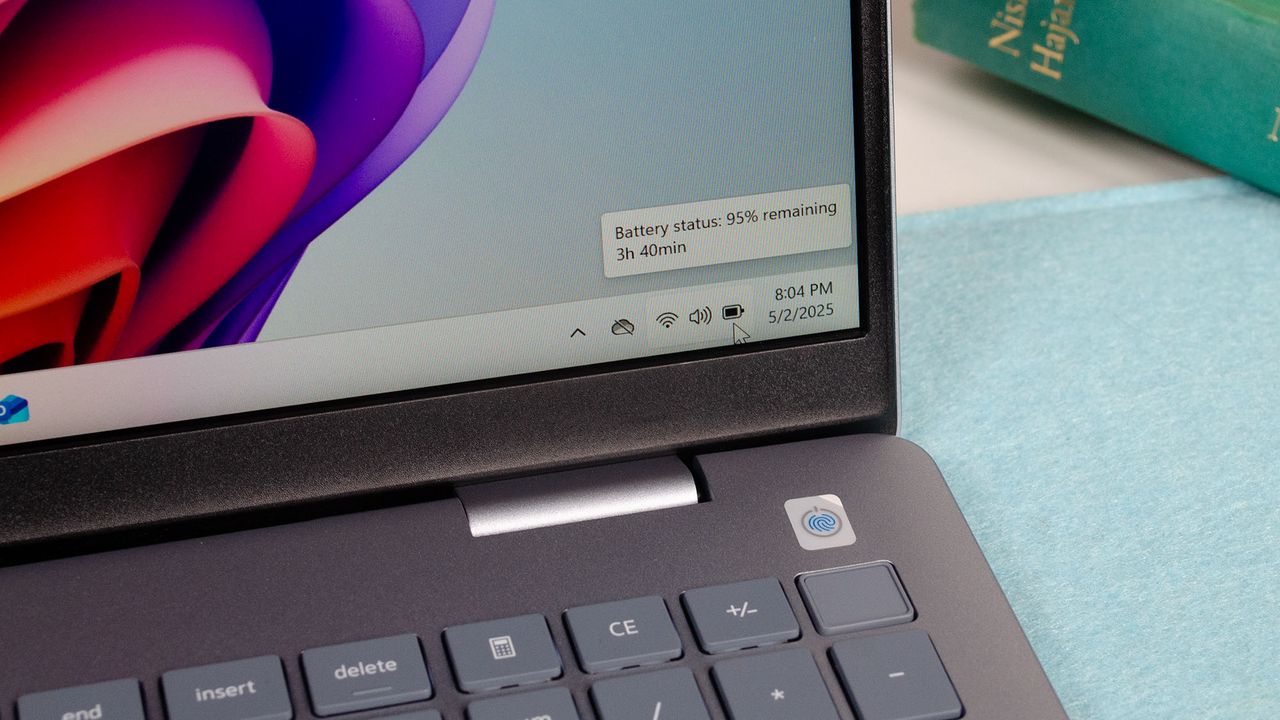
A recent controversy has emerged surrounding a background process in Windows 11, which has sparked concerns over privacy and telemetry. However, it turns out that this process is not new and has been present in Windows 11 for over a year. The confusion arises from a post on X (formerly Twitter) by a user named Xilly, who claimed that this process, named 'Windows Health and Optimized Experiences,' was a recent addition to the OS and served to monitor specific metrics related to laptop battery management.
Upon closer examination, Microsoft executives clarified that this process, originally introduced in May 2025, is actually part of the Adaptive Energy Saver feature. Its primary function is to detect performance issues on Windows 11 systems and record targeted traces locally for submission to the Feedback Hub, should the user choose to do so.
The process does not automatically transmit data to Microsoft unless explicitly activated by the user. This was emphasized by Scott Hanselman, a Microsoft VP and technical staff member, who clarified the true purpose of the process and debunked the false claims made by Xilly.
The situation highlights the ongoing trust issues surrounding Microsoft's handling of privacy and telemetry in its operating systems. While this particular incident appears to be a case of mistaken identity and miscommunication, it serves as a reminder of the skepticism that often surrounds Microsoft's privacy practices. Despite the process being documented in preview builds and being part of the OS, the rapid response from users on social media platforms like X and Reddit demonstrates the deep-seated mistrust that exists.
As a result, Microsoft may need to address these concerns more proactively, such as by offering users a choice to minimize telemetry levels, particularly for those who prioritize privacy and are wary of the perceived "spying" by tech giants.
Written by urgent.news from TechRadar's reporting — not their text. Machine-written — may contain errors; check the original before relying on it.