Instagram und Co.: So könnten Soziale Netzwerke sicherer für Kinder werden
Europa setzt Social-Media-Altersgrenzen um. Doch helfen starre Verbote wirklich? Ein Forschungsprojekt erarbeitet, wie aus sozialen Netzwerken wirklich sichere und schönere Orte werden.
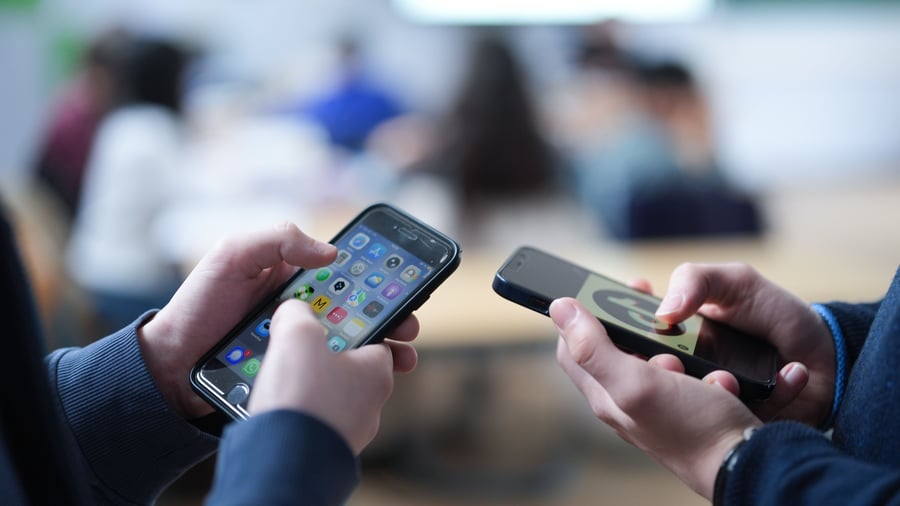
Düsseldorf, Germany - The allure of social media can easily consume our time, as many of us know from personal experience. Platforms like Instagram, TikTok, and Snapchat are specifically designed to keep us engaged for as long as possible. However, these apps pose significant risks, particularly for children and adolescents. This has led governments around the world to question whether social networks should be banned for certain age groups.
Australia has already implemented strict age limits, and more EU countries are considering similar measures. The European Commission recently recommended a ban on users under 13 years old. In Germany, discussions about age restrictions are also taking place. But do strict bans really help, or should we consider a more comprehensive regulation instead?
Adrian Meier and Eva Ziegltrum aim to find answers to these questions. Meier is a professor of communication science at Friedrich-Alexander-Universität Erlangen-Nürnberg (FAU), while Ziegltrum is a doctoral student in Meier's research team. Together, they are exploring how social media could be best regulated to protect or even improve the mental health of young people through their "Promise" project.
Written by urgent.news from Handelsblatt's reporting — not their text. Machine-written — may contain errors; check the original before relying on it.