Indonesia’s captive coal: Under-the-radar expansion
Loopholes in energy transition targets have allowed coal to retain a long-term foothold in the Indonesian energy mix The post Indonesia’s captive coal: Under-the-radar expansion appeared first on Dialogue Earth .
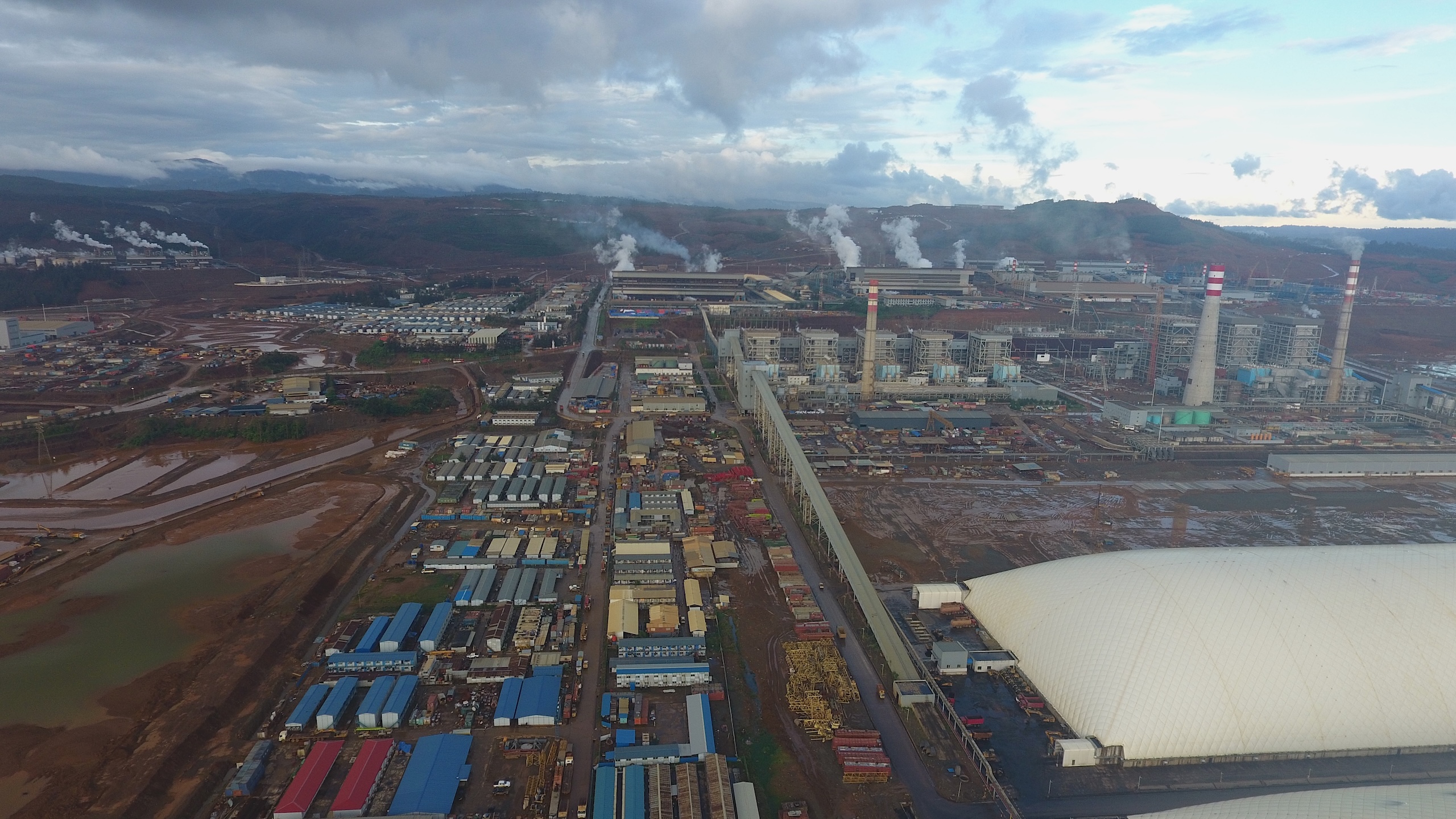
Indonesia, a country that has pledged to generate all its electricity from renewable sources within a decade, is experiencing an under-the-radar expansion of captive coal power plants. These privately-owned, off-grid facilities are quietly contravening the country's energy transition agenda. The first part of a five-part series on Indonesia's captive coal will delve into the loopholes that have allowed coal to keep expanding, the beneficiaries of this expansion, and the implications for a nation caught between its climate commitments and industrial ambitions.
A 2022 presidential regulation, issued during the tenure of President Joko Widodo, had initially sought to curb the construction of new coal-fired power plants connected to the national grid. This was intended to reduce national emissions. However, the regulation had specific exemptions, allowing new coal plants for strategic industrial projects, such as nickel processing, to be built. These plants were required to reduce emissions by at least 35% within ten years of their opening and to close by 2050.
The Prabowo administration, in power since 2019, has continued to adhere to these exemptions. During a public consultation in November 2025, reports indicated that the government had proposed additional exemptions for new coal plants necessary for maintaining system reliability and energy independence.
According to a 2025 study by Indonesia's Just Energy Transition Partnership (JETP), captive power capacity had reached 25.9 GW in 2024, with over 75% being coal-based. If construction and planned plants are included, the capacity rises to 36.7 GW. Of the planned captive power, 3.1 GW is coal-based. The largest operating captive power capacity is concentrated in the mining and nickel sectors, driven by Indonesia's hilirisasi policy, which aims to downstream nickel processing and move away from exporting raw ore.
This policy has led to the banning of nickel ore exports in 2020 and the promotion of domestic firms to produce intermediate products, like ferronickel, a vital component in steel production. The JETP study notes that mining-heavy regions, such as Sulawesi and Maluku provinces, have the highest captive power operating capacity.
Written by urgent.news from Dialogue Earth's reporting — not their text. Machine-written — may contain errors; check the original before relying on it.