'I was this close': Teenage dev's $200 joke game made nearly $1.4 million on Steam before the refunds came flooding in
Game dev Michael Major ultimately ended up with a little over $2,000 for his efforts, which still isn't bad for a teenager's gag.
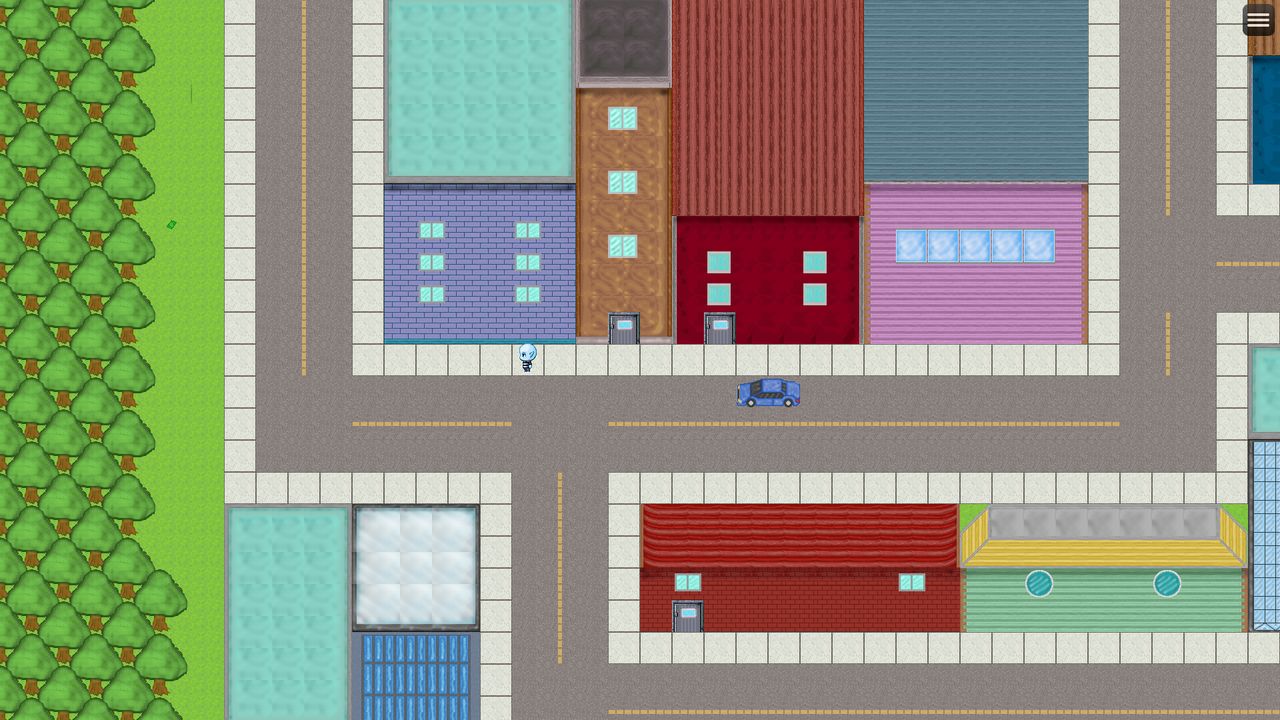
An 18-year-old named Michael Major developed a game called "This Game Costs 200 Dollars," which was listed on Steam with a price tag of $200. Initially, Major considered the game as a joke and not something he expected to sell. However, to his surprise, the game made nearly $1.4 million in sales before refunds started flooding in.
The majority of the purchasers were from China, and Major is unsure of the reason behind this sudden outpour of purchases. He speculated that the game might have gained attention through an ad or scheme. Despite the game's absurd pricing and low-quality gameplay, Major insists that "This Game Costs 200 Dollars" is a real game and a "real mind-bending experience unlike anything that has ever been done before."
When asked why he priced the game at $200, Major claimed that it's the maximum allowed on Steam. However, there is no upper limit for the price on Steam. The report indicates that Major made a net profit of a little over $2,000 from this endeavor.
Written by urgent.news from PC Gamer's reporting — not their text. Machine-written — may contain errors; check the original before relying on it.