How the 'fecal revolution' changed Earth's ecosystems
An international study led by Flinders University has found a fertile area of inspiration to explain an important step in evolution—and it's a whole lot of poop. The new study describes the "fecal revolution" to explain a crucial turning point in animal and environmental evolution on Earth.

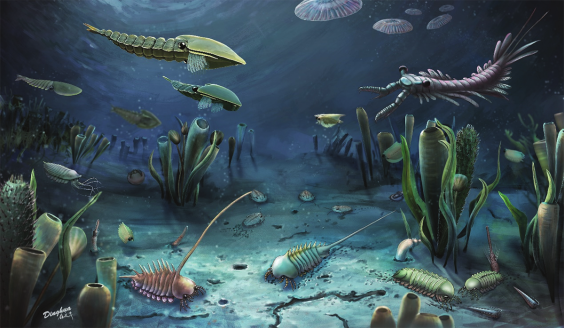
An international study led by Flinders University has uncovered a significant factor in the evolution of Earth's ecosystems through the analysis of ancient fecal matter. Known as the "fecal revolution," this research, published in Trends in Ecology & Evolution, posits that the buildup of excrement played a crucial role in the Cambrian Explosion, a period approximately 540 million years ago when most major animal groups first appeared in marine ecosystems.
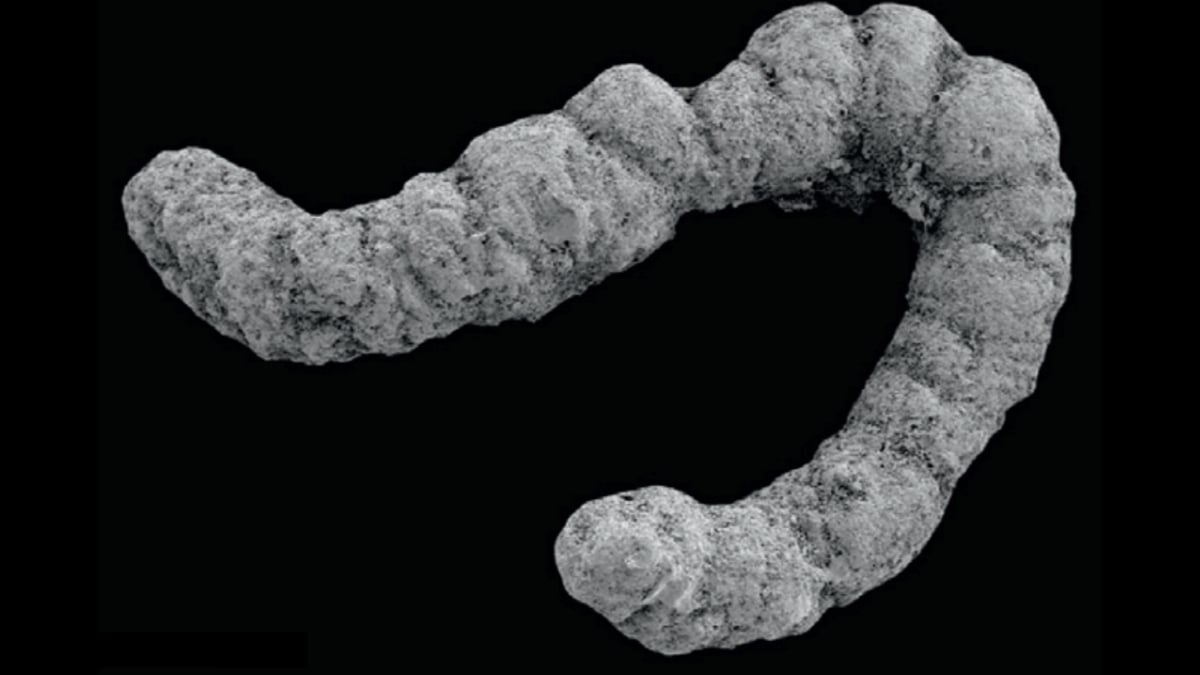
The study, conducted by Dr. Russell Bicknell and Dr. Julien Kimmig from Australia and Germany respectively, highlights the importance of fossilized pellets, or coprolites, deposited by primitive sea creatures during the early Cambrian period. These ancient dung samples contributed to the development of more complex digestive systems and feeding strategies among early marine life.
As these organisms evolved, the fecal matter contained evidence of increasingly sophisticated gut systems and a wider range of food processing capabilities.
Dr. Bicknell, an evolutionary biologist and paleobiologist at Flinders University, explains that the complexity, shapes, and sizes of coprolites and fossilized gut systems increased throughout the Cambrian period, as documented in over 35 global deposits. The study suggests that the production and distribution of organic carbon and nutrients, facilitated by these fecal materials, helped create the conditions that fueled the Cambrian Radiation.
This alternative perspective on the Cambrian Explosion emphasizes the often-overlooked role of feces in ancient ecosystems. Alongside rising oxygen levels and other contributing factors, the importance of ancient diets, digestive systems, and trophic interactions is now considered integral to understanding how more organic matter and nutrients poured into the oceans, accelerating ecosystem development at the end of the Ediacaran period and the beginning of the Cambrian.
Written by urgent.news from Phys.org's reporting — not their text. Machine-written — may contain errors; check the original before relying on it.