How the Beirut blast changed my vision of journalism, and the world
As journalists, we are trained to take a step back from the story, let it speak for itself and always be objective. But nobody teaches you what to do when you become part of the story, when you share the same pain, the same traumas. How can you remain objective, calm and only state facts when you are crippled with anger, pain and immense grief? This is what happened to me on August 4, 2020 . For…
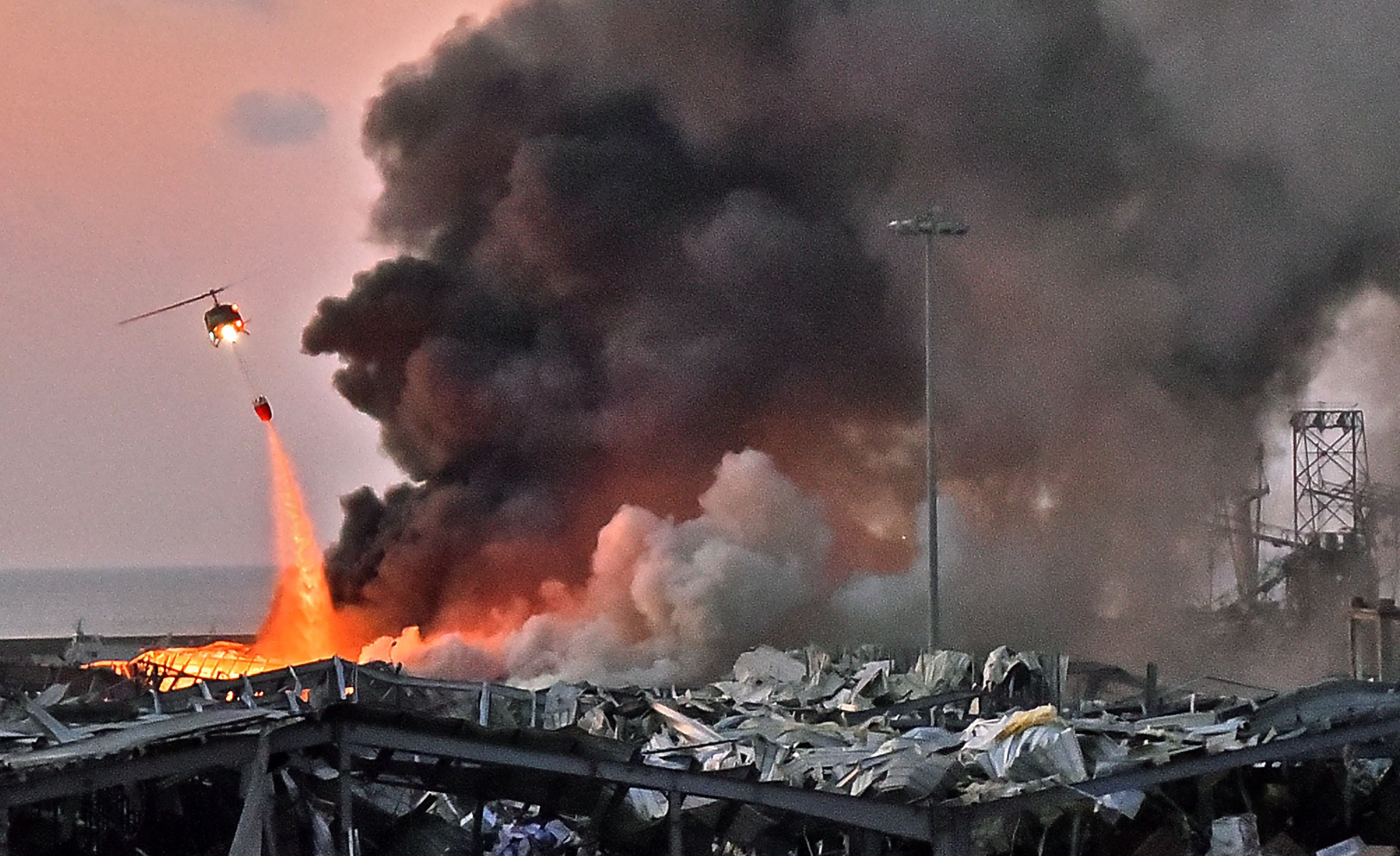
On August 4, 2020, a massive explosion rocked Beirut, an occurrence that would forever alter the journalist's perspective on their profession and the world. As a journalist based in Beirut for three years, the city was not merely their workplace; it was their home, and the people were their family. Amidst the backdrop of a country grappling with the challenges of a pandemic, the last thing anyone expected was the city to be shattered by an explosion that would be known as "the Beirut blast."
At 6.07 PM, the journalist, who had just finished a conversation on Instagram, felt the ground shake. The initial tremor was quickly followed by a torrent of hot wind and a deafening noise, causing windows to shatter and sending glass flying through the air. The journalist, who had just limped through their living room due to a foot injury, fell to the ground, stunned by the sheer force of the blast.
The blast was felt throughout the region, even reaching Cyprus, nearly 200 kilometers away. As the journalist rushed outside, they were met with a chaotic scene: shattered glass littered the pavement, people appeared injured and disoriented, and cars lay destroyed in their wake. Amidst the devastation, a wounded dog was found alone on the street, a poignant reminder of the human cost of the catastrophe.
The port, a significant landmark and hub of activity in the city, was immediately recognized as the epicenter of the explosion. The journalist, now armed with a camera and gas mask, made their way to the port amidst a sea of motorbikes serving as taxis and ambulances. The scale of the devastation was overwhelming, and the journalist was acutely aware of the immense grief and anger that this event had sparked within them.
The journalist found themselves inundated with calls from French news outlets, tasked with reporting on the unfolding crisis. For several days, they were required to maintain an objective tone, blocking any emotions that might interfere with their coverage. This meant suppressing feelings of anger, pain, and grief, a task that proved incredibly difficult.
The journalist's personal anguish was further compounded by a nightmare of their recently deceased aunt disappearing in the explosion, leaving them haunted by the horror they had witnessed.
The following day, the journalist conducted interviews with residents who had come together to help clear the rubble and clean up the shattered glass. These individuals, who had spontaneously arrived to assist the emergency services, acted as a beacon of hope in the face of such destruction. The journalist recognized the importance of giving a voice to those affected by the blast, as their stories provided a powerful commentary on the indomitable spirit of the human race.
As the journalist continued to report on the aftermath of the Beirut blast, they grappled with the realization that objectivity was not merely a rule, but a shield that protected them from the emotional collapse that would undoubtedly follow. In the days that followed, the journalist interviewed numerous individuals who had lost loved ones or their homes in the explosion. Despite the heart-wrenching nature of their stories, the journalist found solace in the courage and resilience of those they spoke to.
Ultimately, the Beirut blast served as a transformative experience for the journalist, reshaping their understanding of journalism and the world around them. They had always known that their work required objectivity, but the blast made it clear that this principle was essential for their mental well-being. The journalist also recognized the importance of amplifying the voices of those affected by the tragedy, as their stories provided a powerful testament to the human capacity for resilience in the face of unimaginable adversity.
Written by urgent.news from The National UAE's reporting — not their text. Machine-written — may contain errors; check the original before relying on it.