How satellites and AI cameras are detecting wildfires before they get out of control
This year is becoming one of the worst for U.S. wildfires in at least a decade. There have been more fires and more acreage burned at this point in the year compared to any in the last ten. With fire seasons growing longer, early detection is critical. Special correspondent Ben Tracy of Climate Central reports on how AI is being used to spot fires faster. It's part of our series, Tipping Point.
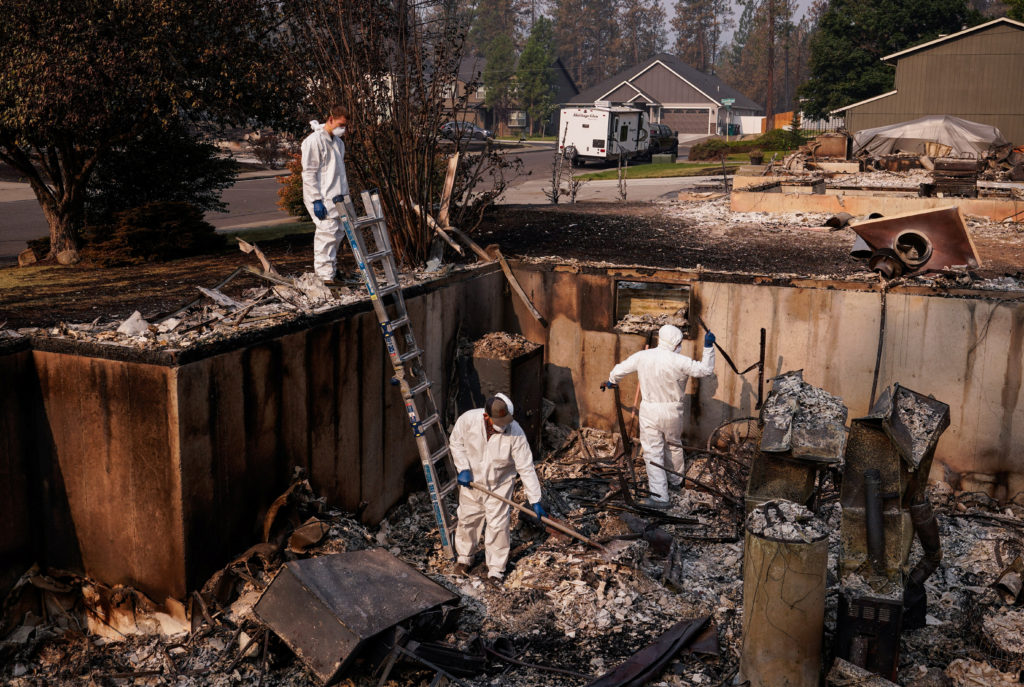
The 2026 year is shaping up to be one of the worst on record for wildfires in the United States, with more fires and larger burns occurring earlier in the season than in any decade before. European nations are also grappling with their most severe wildfire season in recent memory. Fire seasons are lengthening, emphasizing the urgency of early detection.
Artificial intelligence (AI) is playing a key role in spotting fires at an earlier stage, potentially preventing flames from escalating into catastrophic events. Special correspondent Ben Tracy of Climate Central reports on the technology behind these AI-driven systems. At the center of this effort are AI-powered cameras, such as those provided by San Francisco-based startup Pano AI.
These cameras are mounted on cell towers and equipped with six-megapixel lenses, capable of detecting smoke or heat signatures overnight. Once the AI identifies a potential fire, it triggers a rapid response from human analysts who verify the alert and notify fire agencies within minutes. In Colorado, West Metro Fire Assistant Chief Brendan Finnegan emphasizes the critical role these cameras play, stating that they provide a vital head start in containing wildfires.
California's CAL FIRE Chief Phillip Selegue further highlights the system's effectiveness, noting that about 50% of the time, their A.I.-enabled cameras detect fires before any 911 call is made. This early warning system has helped contain fires before they spread significantly, contributing to the goal of suppressing 95% of fires at 10 acres or less.
The increasing frequency and intensity of wildfires, driven by climate change, have made such early detection systems an indispensable tool for fire management.
Written by urgent.news from PBS NewsHour Science's reporting — not their text. Machine-written — may contain errors; check the original before relying on it.