How Samsung TV Plus Is Building Hollywood’s New Marketing Channel
Studios are using Samsung TV Plus to sample full seasons for free. The real test is whether viewing on one screen drives subscriptions and ticket sales elsewhere.
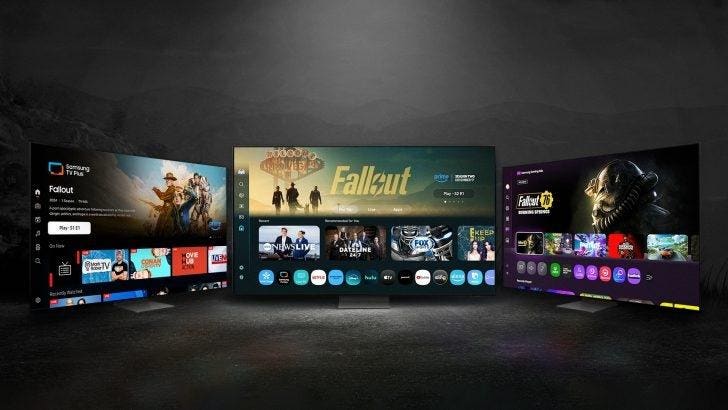
Samsung TV Plus is emerging as a new marketing channel for Hollywood studios and streaming services, offering free access to full seasons of popular series like "The Rings of Power" and "Fallout" before their new releases. The service, built into Samsung sets, leverages the company's control over the television interface and its reach of over 100 million monthly users to promote subscriptions, films, and franchises.
Partners support these campaigns through advertising commitments rather than conventional licensing fees. While Samsung can measure exposure and viewing on its platform, proving that viewers later subscribe or buy tickets remains challenging.
The service has been used for repeat campaigns, such as making the first season of "The Rings of Power" free on Samsung TV Plus in multiple countries ahead of the second season's premiere in August 2024. Samsung claims this was the first time a complete season of an original series was available through an external streaming service.
The strategy aims to demonstrate exposure, even if proving the impact on subscriptions or ticket sales is difficult. Samsung reports engagement metrics like hours viewed, and for Prime Video, the "The Rings of Power" campaign became the highest-viewed on-demand title in every region where the campaign ran.
However, the evidence remains mostly inferred, with Samsung's advertising business considering the campaign successful based on the increased viewership and engagement. For studios looking to sell subscriptions or movie tickets, independently verifiable conversion data is still not available. Samsung defends its approach, stating that television has always automatically played content when a set was turned on, and their first-party data provides more precise insights than panel-based measurement.
The model is seen as a reflection of the increasing value of the television interface between content and viewers. Whether this marketing channel will gain broader acceptance and prove effective remains to be seen.
Written by urgent.news from Forbes's reporting — not their text. Machine-written — may contain errors; check the original before relying on it.