How One Startup Built a (Mostly) China-Free Robot
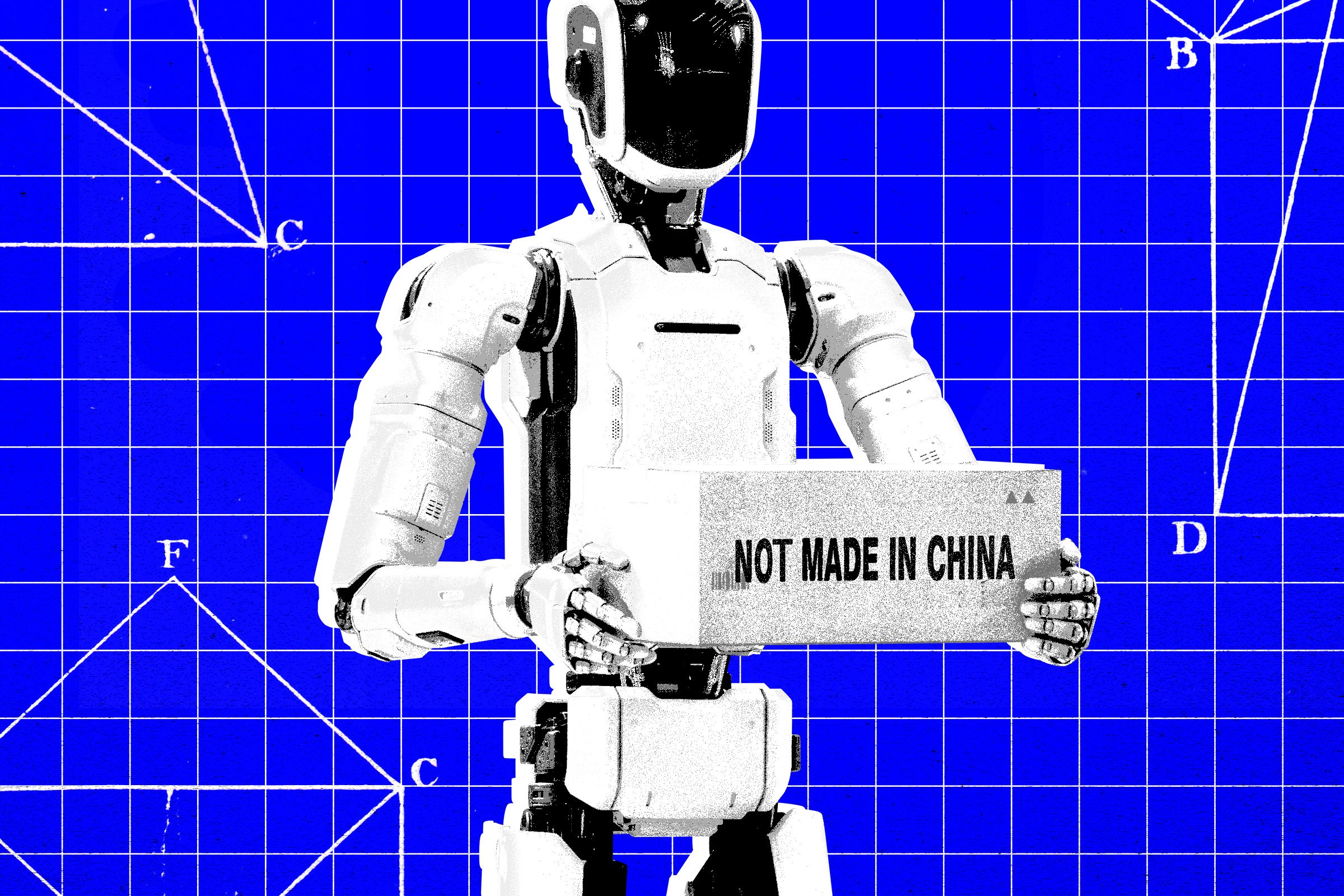
Ati Robotics assembles its robots in India and uses just a few Chinese parts—a strategy that could pay off as the Trump administration cracks down on Chinese humanoids.
The investment in robotics startups surged in 2021, with both the number of deals and the capital invested hitting record levels, according to PitchBook, a firm that monitors venture capital activities. However, many of these companies primarily focus on software development and continue to depend on Chinese suppliers for their hardware.
The Federal Communications Commission's recent decision to ban new humanoids and advanced robots from China could impact the growth of numerous smaller robotics firms in the United States. Yet, some businesses may benefit from this decision, such as Ati Robotics.
Founded in 2017, Ati Robotics initially developed motors for self-driving cars but later transitioned to creating its own robots, including tuggers and pallet movers designed for transporting heavy materials in large facilities. By building their own hardware, Ati aimed to enhance functionality—a strategy that Chandra, the company's CEO, says many of his advisors initially opposed.
This decision has proven advantageous for Ati, as the company currently operates several hundred robots in various warehouses and factories, and has over 50 customers.
Speaking with WIRED, Chandra discussed how Ati managed to develop hardware while avoiding China's influence. The company leveraged Bangalore's thriving EV industry for its labor costs and utilized components from the rapidly growing electric vehicle sector. This approach led to cost-efficient production and reduced reliance on Chinese components.
The 10,000-pound tugger and pallet mover models, Ati's top-selling robots, contain minimal parts from China, primarily the battery cells. The company's humanoid robot, which will be introduced later this year, is being manufactured in Bangalore, but a new assembly facility is being set up in Michigan to eventually produce all Ati robots locally.
Chandra emphasized that this shift away from China could benefit various US and international robotics companies, such as Tesla's Optimus and Figure, a robotics startup. He believes that this move could encourage more businesses to manufacture robots domestically, which, in turn, could foster innovation and growth in the domestic robotics sector. While the ban's impact on the supply chain remains uncertain, Ati Robotics is already preparing for a more self-reliant future in robotics manufacturing.
Written by urgent.news from Wired Business's reporting — not their text. Machine-written — may contain errors; check the original before relying on it.