How Mesh Texture Changes the Way We See Layer Lines in 3D Prints
Layer lines look bad because they sit on a blank surface. The fix is not sanding, it is adding surface texture so the lines stop standing out.
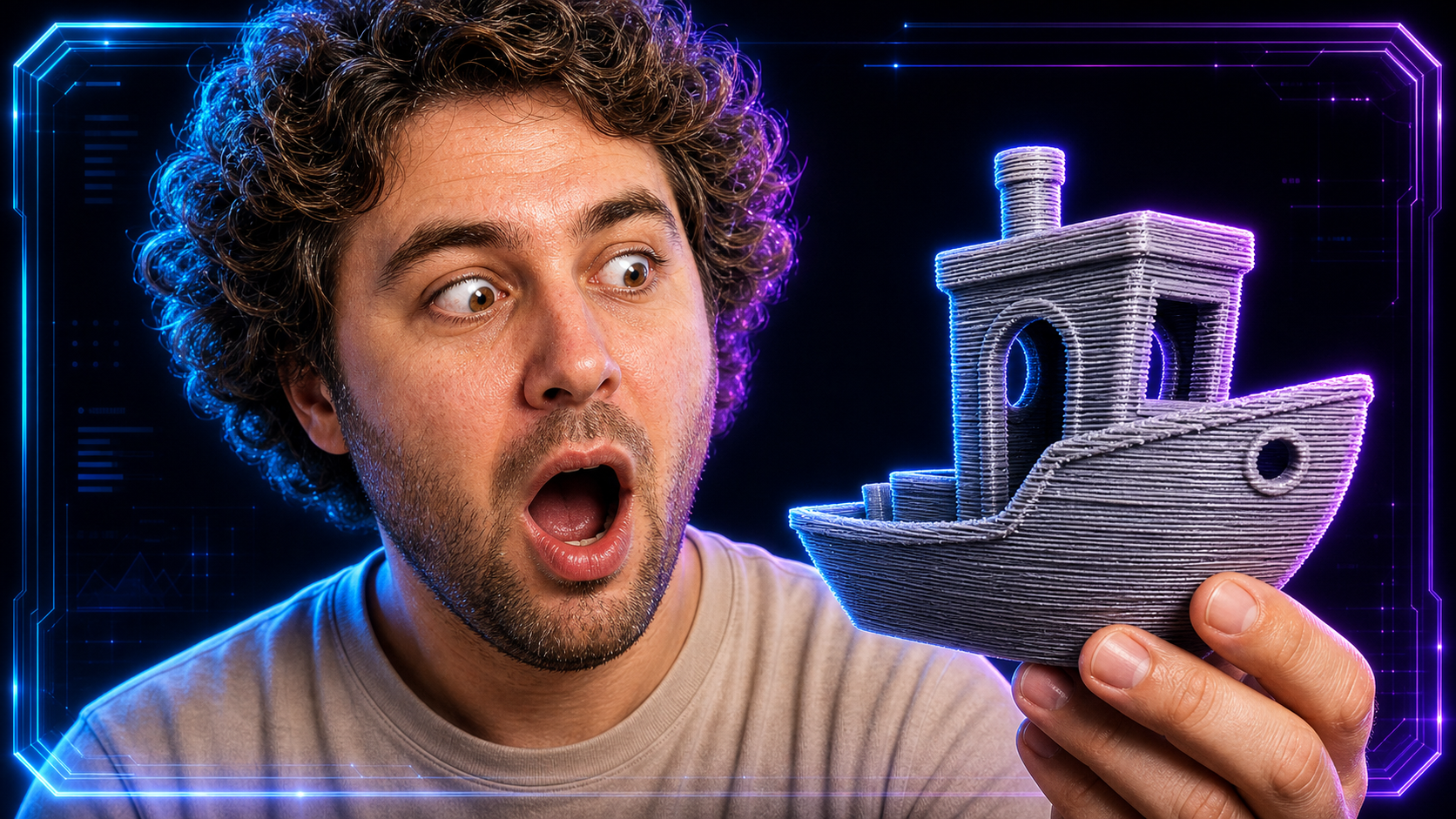
Print the same 3D model twice on the same machine, with the same slicer profile and filament. One model receives a surface texture before slicing, while the other remains smooth. Under a desk lamp, the smooth print appears 3D printed, whereas the textured print looks like a solid object. The layer height, wall count, and temperatures remained identical, yet the difference lay in human vision.
Vision excels at detecting regular patterns against a plain background. Layer lines, being evenly spaced ridges on a plain surface, are particularly noticeable. They serve as a signal your visual system is tuned to recognize. This is akin to a single repeating tone in a silent room versus a busy cafe. The tone remains constant, but the background noise alters the perception.
Two methods exist to minimize the prominence of layer lines. The first involves sanding, which is labor-intensive and destructive. The second is to fill the surface with irregular detail, raising the "noise floor" and making layer lines less salient. This second method is less costly, as it adds texture rather than removing layers.
This strategy applies to objects made from a single material, which appear high-quality. Textured materials, such as wood grain or camouflage patterns, utilize this principle effectively. Applying texture before slicing can transform a smooth print into one that blends seamlessly with its surroundings. While sanding has its uses, treating the printed surface as an opportunity to add texture can yield better results.
Written by urgent.news from HackerNoon's reporting — not their text. Machine-written — may contain errors; check the original before relying on it.