How Does Social Vulnerability Evolve After a Tropical Cyclone?
An initial rise in the social vulnerability index is followed by a decrease, but that decrease comes with a catch.
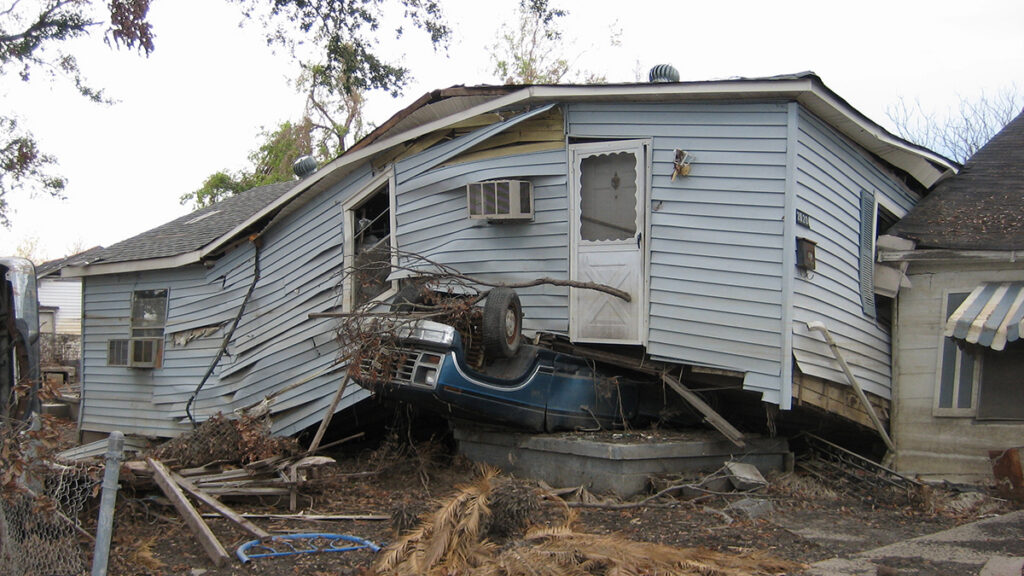
In the wake of tropical cyclones, distressed communities often face heightened social vulnerability, characterized by homelessness, health issues, and insecurity. However, a recent study by Jiang et al. indicates that, over time, these communities tend to become less socially vulnerable than they were prior to the disaster. The researchers analyzed data from 2,118 U.S. counties impacted by at least one tropical cyclone between 2005 and 2018, and compared these to similar communities unaffected by cyclones.
Initially, social vulnerability indices (SVIs)—which encompass factors like English language proficiency, ethnic minority percentage, and crowded homes—increased by around 2% following a cyclone. Nevertheless, this trend reversed after 9 years, with average SVIs decreasing by about 2% in affected communities compared to non-affected ones by 15 years post-cyclone.
This reversal could not benefit all residents, as redevelopment projects could lead to gentrification, pushing original community members to relocate. This phenomenon mirrors a broader trend known as "crisis-driven urbanization," where people tend to move from rural to urban areas following environmental crises.
Written by urgent.news from Eos's reporting — not their text. Machine-written — may contain errors; check the original before relying on it.