How China’s US$900 million port deal in Angola shows its dominance over US interests
On the South Atlantic coastline, Angola stands out as rare ground on which the United States has been willing to vie with China for influence in Africa. It was the only country on the continent visited by former US president Joe Biden, albeit in the twilight of his term in December 2024. During the trip – the first by a sitting US president – Biden made the case for investment in the strategic…
A US$900 million port development deal in Angola, signed by Huatong Angola, a subsidiary of China's Huatong Group, and Barra do Dande Development Society, S.A., demonstrates Beijing's dominant influence in Africa over US interests. This development project, part of the Barra do Dande Integrated Development Free Zone, aims to create a manufacturing, export, and logistics hub north of Angola's capital, Luanda.
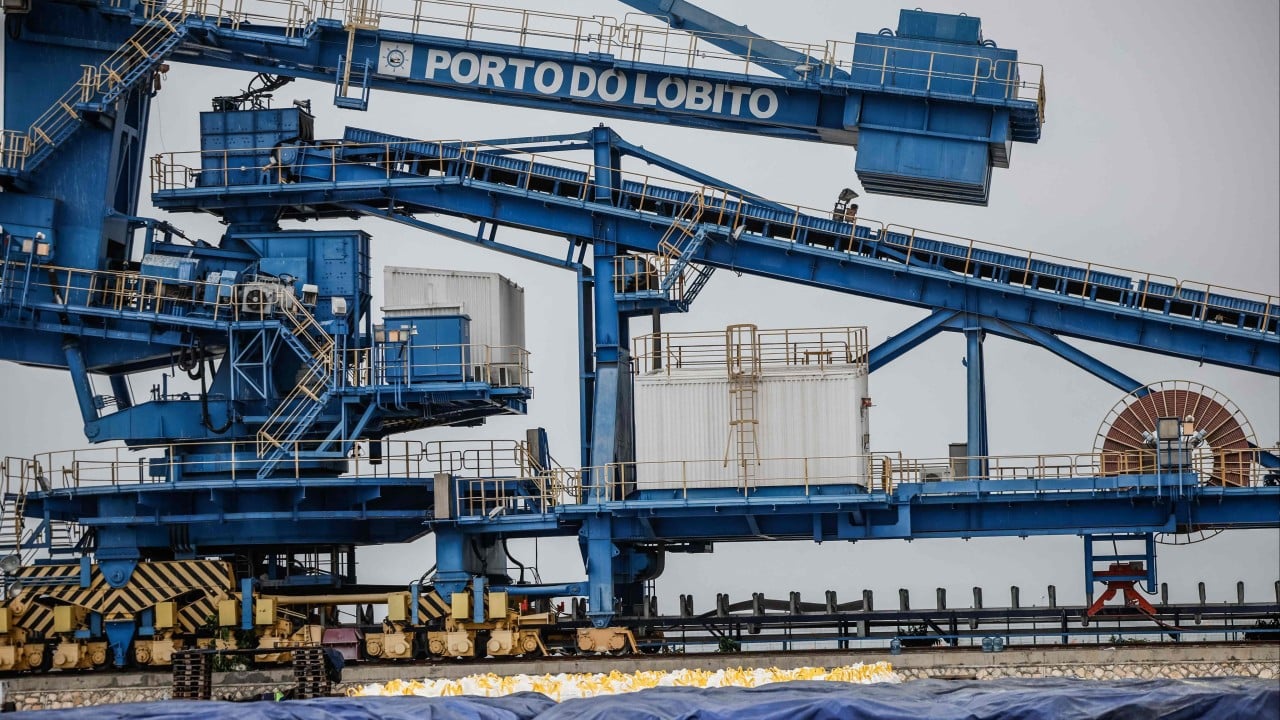
The US, which previously showed interest in securing critical mineral supplies via Angola's Port of Lobito, has invested $553 million in the Lobito rail project. However, China's infrastructure dominance in Africa remains intact. Huatong Angola's deal extends Chinese infrastructure investment in Africa, a feat that Western companies struggle to achieve due to lower operational costs.
Eric Olander, an analyst at the China Global South Project, explains that US construction companies cannot compete with Chinese firms in terms of cost-effectiveness. The US administration's Africa policy primarily focuses on security and securing access to raw materials, making it unlikely that the US will respond to this latest project in Angola.
The investment contracts signed by Huatong Angola, Berkshire Waterhouse Infrastructure, and the SDBD cover the 25-year concession of the port terminal and the provision of port infrastructure. The first phase, completed in two years, will feature a terminal capable of handling exports from the free-trade zone. Two additional phases will be finished by 2030, resulting in a port capable of accommodating 80,000-tonne vessels, employing 21,000 people, and generating $10 billion annually.
This development project is part of China's expanding maritime footprint in Angola, which includes a 20-year concession for running Angola's Lobito port's container and general cargo terminals awarded to two Chinese state-owned companies in 2022. Additionally, China Energy Engineering Corporation completed a major revamp of Cabinda port in January, enabling it to receive container ships and other large roll-on-roll-off vessels.
Despite the US administration's efforts to mend fences with Angola and secure a shift in relations away from China, the depth of China's established relations with Luanda cannot be ignored. Both nations forged closer ties during former President Eduardo dos Santos' tenure, with China financing major infrastructure projects in exchange for Angola's oil. This close relationship continued under President Joao Lourenco, who succeeded dos Santos in 2017.
Written by urgent.news from South China Morning Post's reporting — not their text. Machine-written — may contain errors; check the original before relying on it.