How a generation of record-setting guides died in a disaster that killed a climbing legend
Their fellow guides say their deaths in Pakistan dealt a devastating blow to Nepal's mountaineering community.
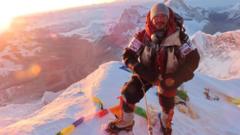
The tragic avalanche that struck Broad Peak in Pakistan claimed the lives of six Nepali mountain guides and a renowned British-Nepali climber, Nirmal Purja. Purja, also known as Nims, was a celebrated figure in the mountaineering world, having summited the world's 14 highest peaks, including K2, one of the most dangerous mountains in the world. He was the leading figure of the 10-member international team on Broad Peak when the avalanche occurred.
Among the other victims were Kili Pemba Sherpa, who had just earned the coveted mountaineering Grand Slam by scaling the world's 14 highest peaks, and Pur Bahadur Gurung, who was among the 100 Nepali guides certified by the International Federation of Mountain Guides Association (IFMGA). Gyaljen Sherpa, known for scaling K2 three times in one season, and Nima Sherpa, who scaled four eight-thousanders in a single year, also perished in the disaster.
Nims, the leading figure of the expedition, was described as iconic and undisputedly the best of his generation. Kili Pemba, who had just completed the Grand Slam, was known for his humility and commitment to serving his clients. Pur Bahadur Gurung, a highly skilled guide, had scaled 12 of the 14 highest peaks and was one of only a few hundred IFMGA-certified guides. Gyaljen Sherpa and Nima Sherpa were also highly accomplished climbers, each with their own impressive feats.
The deaths of these guides have dealt a devastating blow to Nepal's mountaineering community, with many expressing their loss and emphasizing the importance of their contributions to the sport. The tragedy has also sparked discussions about the commercialization and risks associated with modern mountaineering, especially in the more remote and challenging regions of Pakistan.
Written by urgent.news from BBC News's reporting — not their text. Machine-written — may contain errors; check the original before relying on it.