Get Used to High Gas Prices
Even if the Iran war ends tomorrow, don’t expect relief at the pump any time soon.
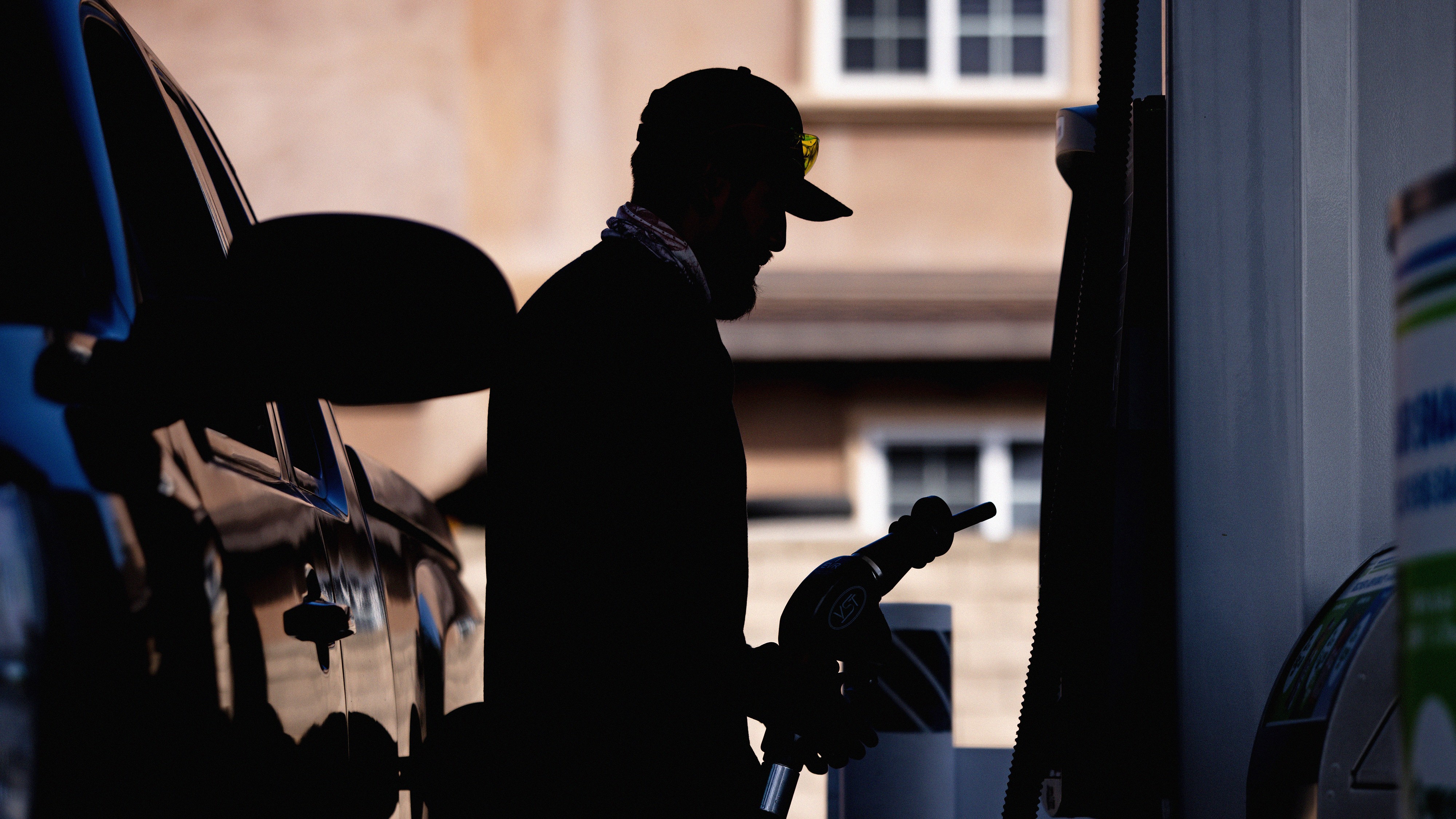
Donald Trump's approval rating has plummeted, largely due to the soaring price of gas. In February, he decided to go to war with Iran, triggering a spike in gas prices. Despite a temporary cease-fire in June, prices have never fallen below $3.50 a gallon, and have even risen to above $4 a gallon following the resumption of hostilities.
This has been detrimental to Trump's popularity – a recent poll found that around three-quarters of respondents blamed him for the price hike. This is further concerning for Republicans in the upcoming midterm elections, just over 100 days away. Even if a new cease-fire deal between Iran and the U.S. were to be reached soon, gas prices would likely remain a source of discontent for voters through November.
This is primarily due to the economics of supply and demand. The oil market is more volatile now than during the initial war, with global oil inventories at a lower level than in February. China's reduced oil imports and U.S. and European releases from strategic petroleum reserves failed to significantly lower gas prices. Additionally, the Strait of Hormuz is currently closed, and rebuilding those inventories will take time, meaning even if peace talks succeed, oil prices won't drop as quickly.
Other factors, like the war disrupting refining capacity in the U.S., will also maintain higher gas prices. Even when oil prices fall, gas prices take longer to adjust because gas stations have higher profit margins when prices are high and consumers take longer to notice lower prices.
Written by urgent.news from The Atlantic's reporting — not their text. Machine-written — may contain errors; check the original before relying on it.