Enabling the next generation of AI data centers
Exploring how power, cooling and grid constraints are reshaping AI data center development.
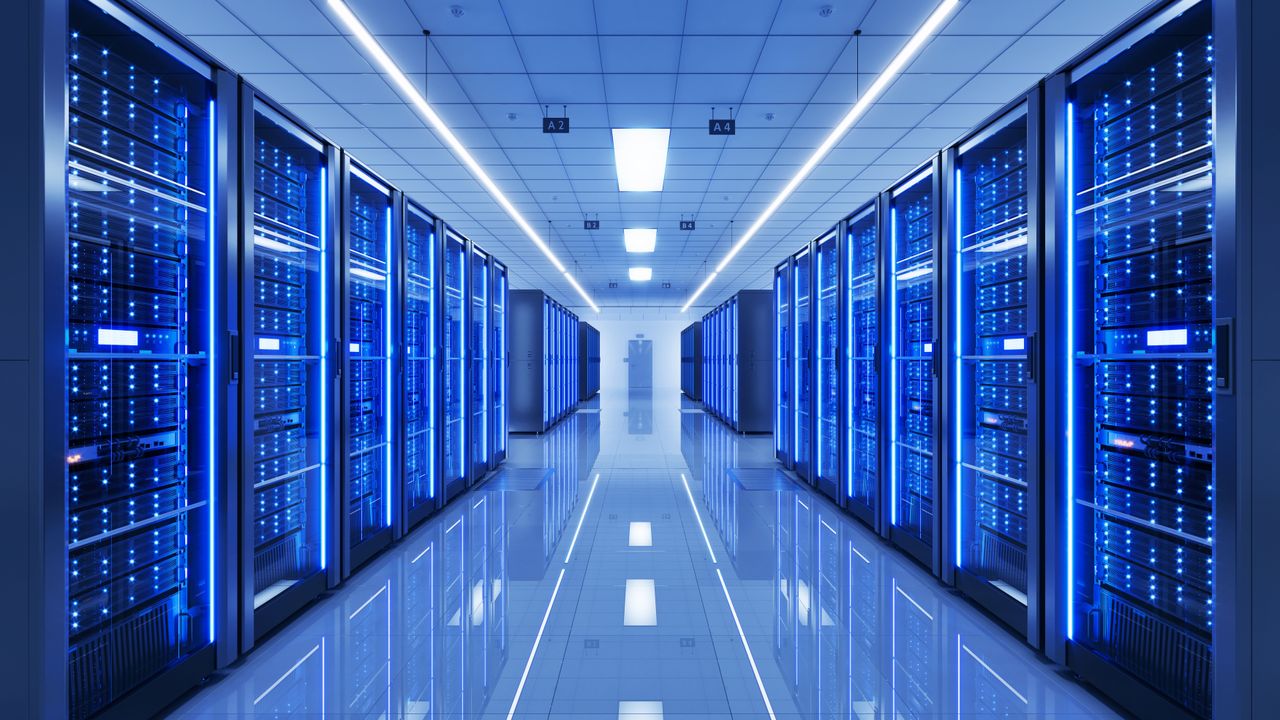
Artificial intelligence (AI) is revolutionizing the size and sophistication of data center infrastructure, necessitating a shift in how these facilities are designed and operated. Traditional data centers catered to relatively steady CPU workloads and predictable power demand, enabling developers to secure energy supply, cooling systems, and infrastructure capacity with relative ease.
However, AI workloads demand significantly more power, with electricity consumption from data centers growing at 12% annually over the past five years. This surge in demand, particularly for AI training centers, is driving developers towards gigawatt-scale data centers. Meeting this demand while maintaining efficiency is pushing developers to explore alternative power solutions, such as off-grid or hybrid energy systems.
These systems, while accelerating delivery, introduce new capital requirements, financing structures, and operational considerations. Developers must also address cooling challenges, as air cooling is struggling to keep pace with the thermal loads generated by AI workloads. Liquid cooling, which transfers heat more efficiently, is gaining traction for its ability to enable higher infrastructure densities.
However, it also introduces new dependencies, such as liquid cooling solutions and supporting infrastructure. Additionally, developers are exploring creative approaches to cooling, such as integrating heat with industrial processes for utilization or repurposing data center waste heat for district heating applications. This holistic, integrated approach to power, cooling, transmission, water, digital systems, and long-term operations is crucial for the success of the next generation of AI data centers.
Written by urgent.news from TechRadar's reporting — not their text. Machine-written — it may contain errors, so check the original before relying on it.