CORPORATE RESISTANCE: How big food sues governments to keep unhealthy products on shelves
Food manufacturers have filed more than 200 lawsuits against governments since 2010, to challenge public health measures that could affect their bottom line. All while Africa is now the most food insecure region in the world and, at the same time, eating cheap, nutrient-poor food continues to rise.
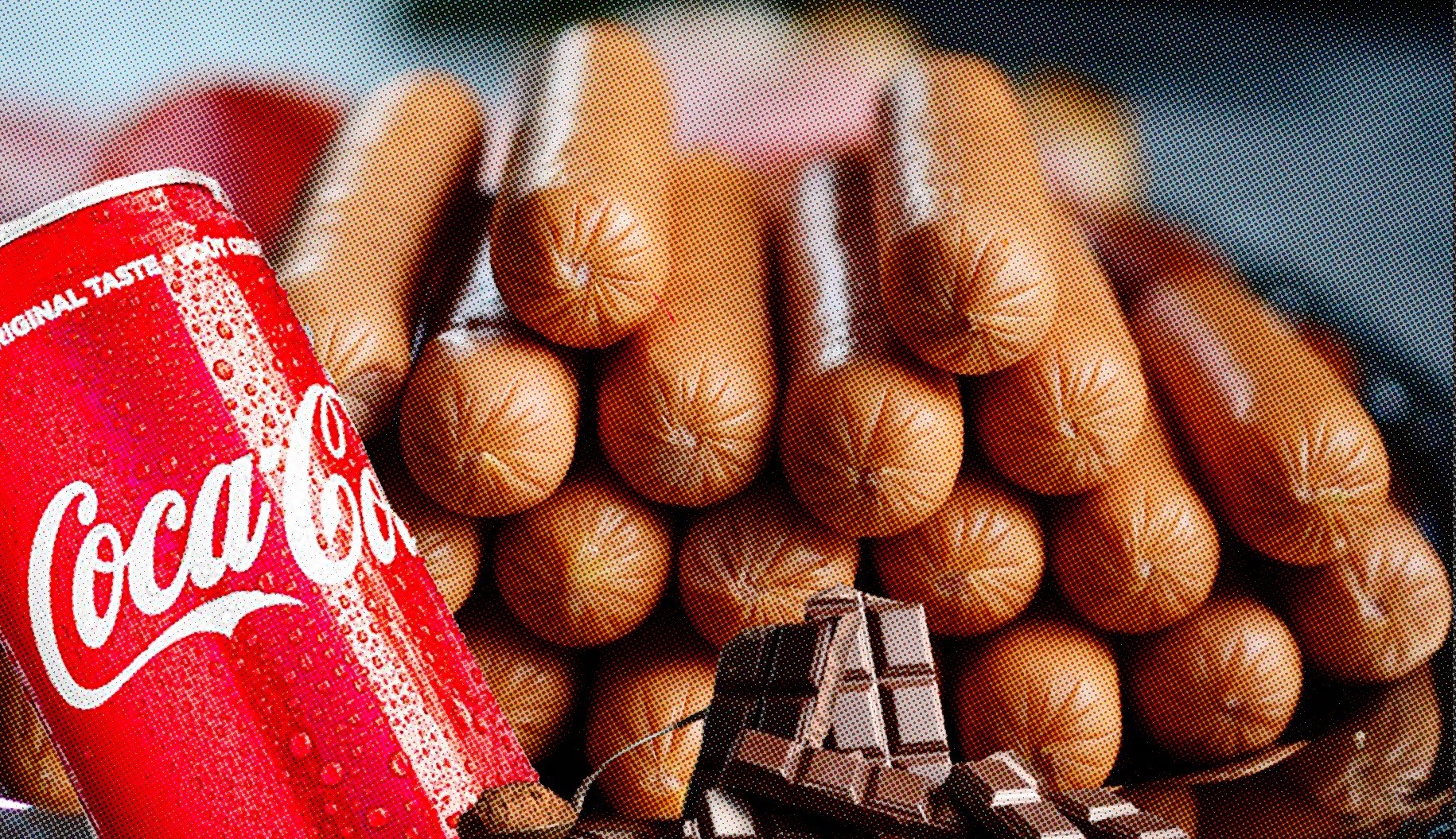
Over 200 lawsuits have been filed by big food manufacturers against governments since 2010, challenging health policies that could impact their profitability. Africa currently faces the most severe food insecurity crisis, with a significant portion of its population consuming cheap, nutrient-poor food. Researchers estimate that producing just one litre of soft drink requires up to 168-309 litres of water, far exceeding Coca-Cola's estimates of 1.7 litres.
Studies link diets high in ultra-processed foods to overeating, poor nutritional quality, and exposure to harmful chemicals. In South Africa, 87% of packaged products are classified as unhealthy due to their high fat, salt, and sugar content. A global investigation revealed that more than 200 lawsuits against health policies have been brought by ultra-processed food manufacturers and trade associations in countries like Mexico, Colombia, Brazil, the United States, and the United Kingdom.
Three-quarters of these lawsuits were filed by eight major corporations, including Coca-Cola, PepsiCo, and Kellogg's. Despite losing almost 600 years of court time, these food giants' influence persists, as seen in South Africa's Health Promotion Levy, which has been challenged by industry threats of job losses and economic decline.
The Food and Agriculture Organisation's report highlights that Africa has overtaken Asia as the region with the highest food insecurity, with 309 million people facing hunger worldwide. Dr. Tamryn Frank, a nutrition researcher, emphasizes that there is no justifiable reason for the dominance of ultra-processed food industry in determining the food system's composition, as their decisions don't prioritize public health.
International initiatives like the WHO's "3 by 35" aim to increase taxes on tobacco, alcohol, and sugary drinks by at least 50% by 2035 to mitigate health risks and generate revenue. In South Africa, increasing taxes on sugar-sweetened beverages could improve public health outcomes and generate higher state revenue. The proposed draft regulation 3337, which would introduce front-of-pack warning labels and restrict marketing towards children, faces industry delays but could protect vulnerable populations.
Written by urgent.news from Daily Maverick's reporting — not their text. Machine-written — may contain errors; check the original before relying on it.