Commentary: With its new leverage over the Strait of Hormuz, does Iran want – or need – a nuclear weapon?
Iran's ambitions around a nuclear weapons programme are even more opaque than they were before the war, says this university lecturer.
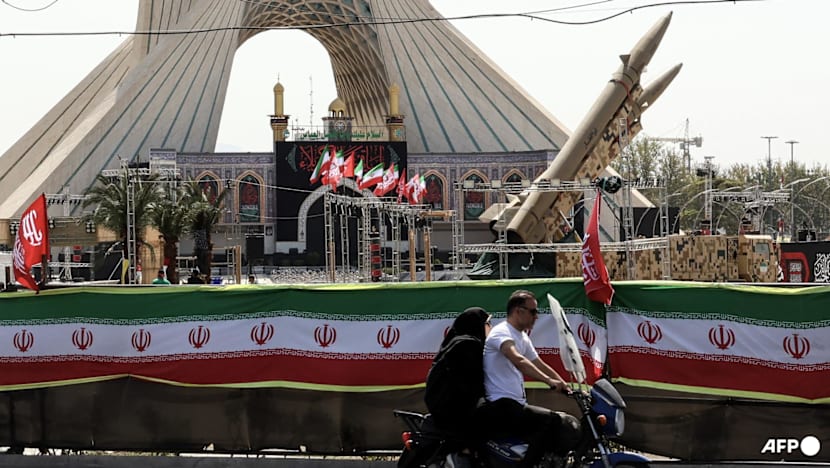
With the ongoing US war against Iran, the question of whether the country wants or needs a nuclear weapon has become less prominent. However, the Strait of Hormuz – a key maritime chokepoint – has given Iran a new tool to exert leverage on the international community, even if the war ultimately ends. Iran is believed to possess around 440 kilograms of uranium enriched to 60 percent, theoretically enough for 10 nuclear warheads.
However, this level of enrichment is unusual, suggesting Iran may be keeping its options open for weaponisation.
Nuclear deterrence theory posits that governments pursue nuclear weapons primarily to deter attacks from adversaries, even though the weapons themselves are not meant to be used. A nuclear Iran could provide significant strategic latitude, allowing the country to deter attacks from its neighbors and potentially respond to Israeli nuclear strikes.
However, experts debate whether the war has made nuclear weapons a necessity for Iran. While Iran may have pursued nuclear weapons to deter attacks, it has also withstood months of attacks without them, suggesting it may have been using its enriched uranium stockpile as a diplomatic tool to secure security assurances and reintegration into the global economy.
The Trump administration's intelligence community acknowledged last year that Iran had not actively pursued a nuclear weapon for decades, and Iran signed the Joint Comprehensive Plan of Action (JCPOA) in 2015. However, Iran restarted its uranium enrichment program after the US withdrew from the deal and reimposed sanctions. A diplomatic solution like the JCPOA is theoretically still possible, but it would require significant concessions from the US and basic trust between the two sides, which has eroded significantly.
Iran's hardliners are less likely to engage in a deal with the current administration, and it may be more receptive to pursuing a nuclear weapon.
Written by urgent.news from Channel News Asia's reporting — not their text. Machine-written — may contain errors; check the original before relying on it.