Colleges Are Avoiding Transparency on Jersey Patch Deals
Ohio State said the jersey patch deal was made between Learfield and Chase.
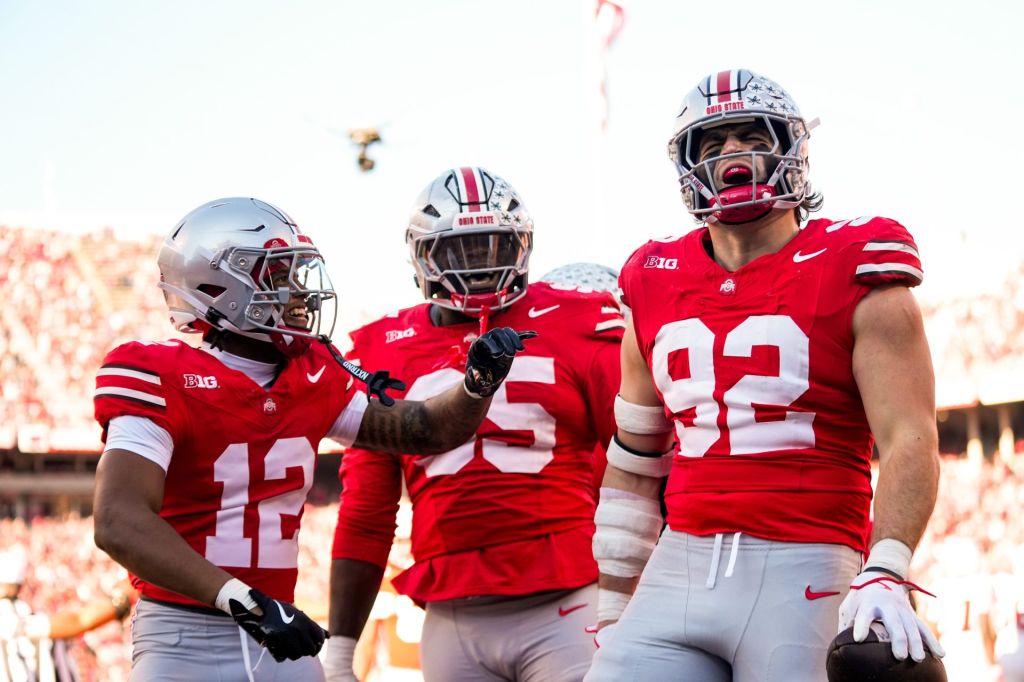
Recent NCAA rule changes have led colleges to pursue lucrative jersey patch sponsorships, with some deals reportedly bringing in tens of millions of dollars. However, universities are withholding the specifics of these deals due to a recent practice of involving multimedia rightsholders (MMR partners) in the agreements. This move reduces transparency surrounding the multimillion-dollar deals that public universities strike with sponsors and other companies.
When Front Office Sports made public records requests to Ohio State and Kansas for the details of their respective jersey patch contracts with JPMorganChase and Ripple (both brokered by MMR partner Learfield), the universities denied possessing responsive records. Ohio State's spokesperson stated that the agreement is between Chase Bank and Learfield, implying that Ohio State had no role in the deal. Kansas also denied the request, stating it had determined it possessed no records responsive to the inquiry.
Sam Ehrlich, a Boise State law professor and college sports litigation expert, commented that this practice may violate the spirit—or the letter—of open records laws. By involving MMR partners, universities could be diverting their deals through them, potentially shielding valuable information about athletic department sponsorships and other agreements. As more universities adopt this structure, Ehrlich predicts that a significant amount of public university records could be hidden due to this arrangement.
Written by urgent.news from Front Office Sports's reporting — not their text. Machine-written — may contain errors; check the original before relying on it.