China stock traders cut leveraged positions by 14% in July amid tech sell-off
China’s stock traders have been unwinding their leveraged positions over the past month, fuelling the worst-ever stock sell-off on one major index of technology shares and undermining Beijing’s efforts to put a floor on the equity market. The outstanding value of the stock purchases financed by margin trading stood at 2.59 trillion yuan (US$383.4 billion) on Friday, a decrease of 14 per cent from…
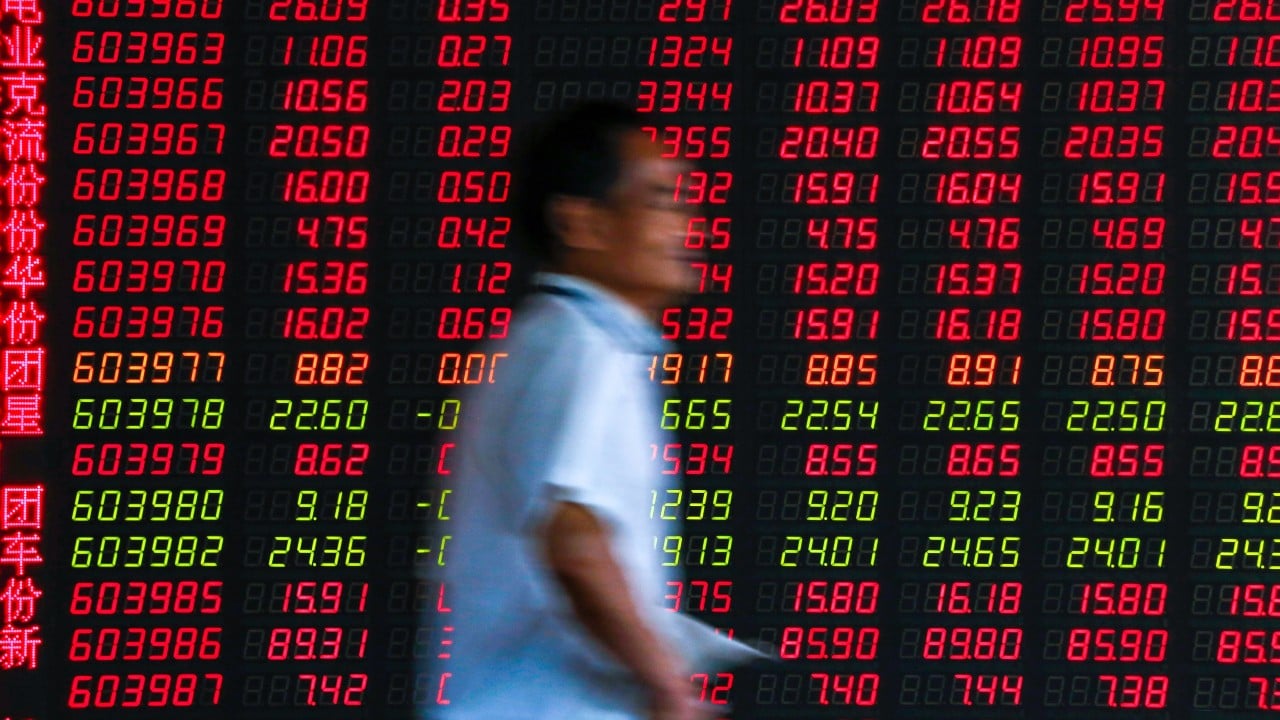
China's stock traders have been reducing their leveraged positions, leading to the worst-ever sell-off in a major index of technology shares. The amount of stock purchases financed by margin trading fell by 14 percent in July, compared to the record high of 3.01 trillion yuan on June 25, according to financial data provider Wind.
This decline mainly affected stocks on the Shanghai and Shenzhen exchanges, particularly those under the tech boards. The decrease in leveraged positions coincided with the global slowdown in artificial intelligence fever and concerns over excessive capital spending on data centers and cloud-service infrastructure. The tech-centric Star Market 50 Index dropped by 26 percent in July, marking its worst monthly performance since its launch.
Industry experts suggest that investors exiting leveraged positions largely contributed to the market's decline, while noting that AI stock movements overseas both fueled and accelerated the deleveraging in China. Beijing's efforts to stabilize the equity market have been complicated by the reduction in leveraged bets by investors, which could introduce more uncertainty.
The risk from China's leverage appears relatively manageable, with the current outstanding value of margin trading at 2.7 percent of the capitalization of free-float stocks, significantly lower than the 4.7 percent seen during the 2015 stock rout.
Written by urgent.news from SCMP Business's reporting — not their text. Machine-written — it may contain errors, so check the original before relying on it.