Change in transgender law cannot take away rights already given, Supreme Court tells Centre
The petitioners, representing members of the community, urged the court to prevent authorities from cancelling transgender ID cards
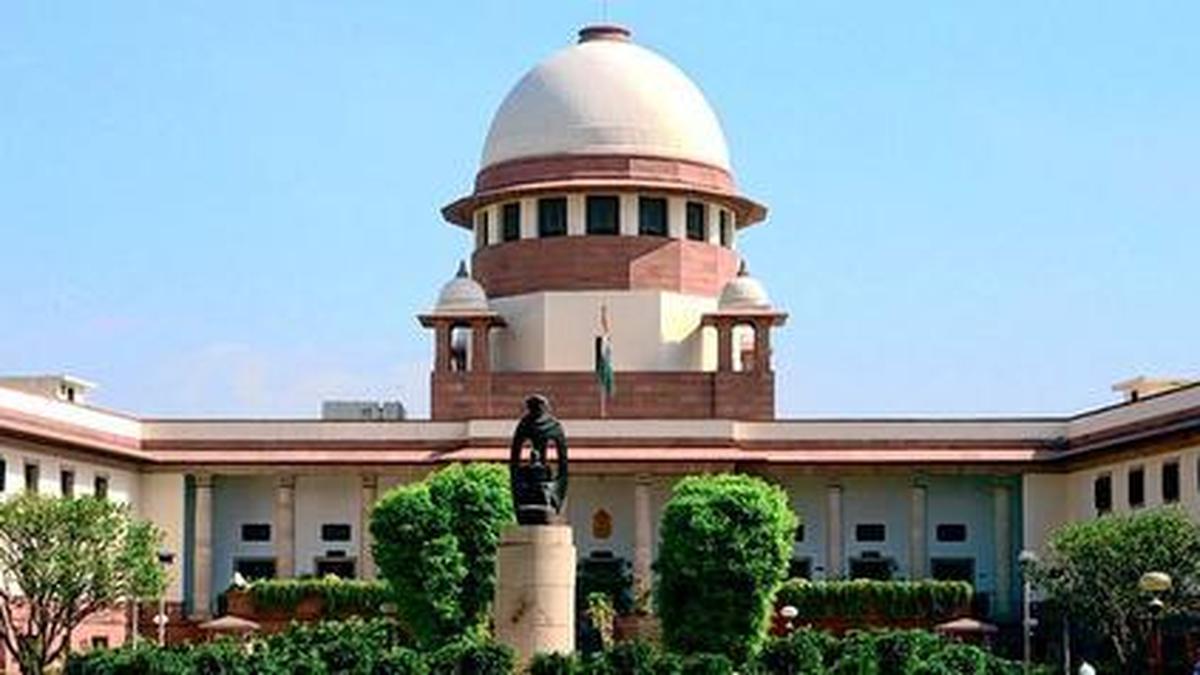
On August 3, 2026, the Supreme Court addressed concerns of the transgender community regarding the new law purportedly eroding their right to self-identification. The Union government was reminded that the new legislation will not retroactively invalidate the transgender cards issued under a previous law. Petitioners, comprising activists and community members, emphasized the significance of these identity cards in their lives.
One community member shared her struggles in securing housing as an example of the challenges faced due to lack of proper identification. A Bench led by Chief Justice of India Surya Kant assured the petitioners of their concern for their rights. The 2026 Amendment Act, effective March 30, 2026, has reportedly granted the state excessive authority to determine gender identity.
The petitioners argue that the Act undermines the 2014 NALSA judgment, which protected transgender persons' right to self-determined gender identity and safeguarded them from discrimination and social stigma. This led to the enactment of the Transgender Persons (Protection of Rights) Act, 2019, which was largely based on the principle of self-identification.
Justice Bagchi cautioned the government, represented by Solicitor General Tushar Mehta, that even if legislation changes, the rights already conferred or accrued should remain the same. He sought more time to investigate the law before responding. The government lawyer questioned the petitioners' insistence on a specific interim direction from the court to retain the validity of the transgender cards, comparing them to essential goods like food, which are not guaranteed through such cards.
Justice Bagchi noted that if the legislative intent was to eliminate the transgender cards, a clarificatory amendment would have been enacted.
Written by urgent.news from The Hindu's reporting — not their text. Machine-written — may contain errors; check the original before relying on it.
This story
This is one outlet's version. Read the fullest account.