Ceuta alerts security forces over social media calls for August 15
The government of Ceuta has referred to the competent authorities messages circulating on Moroccan social media that call for a fresh attempt at irregular entry into the Spanish enclave on August 15, five days after a migration crisis that left dozens dead.
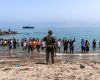
Ceuta, a Spanish enclave, has alerted its security forces to social media messages circulating on Moroccan platforms urging a new attempt at irregular entry into the enclave on August 15. Local government spokesman Alejandro Ramírez expressed concern upon learning of these rumors, following a recent migration crisis that resulted in deaths.
Ramírez informed that these messages are now under investigation by the relevant border security bodies and hopes such incidents will not recur. No confirmation of any planned events has been made.
Spanish authorities, citing limited credibility, note an increased deployment along the border, including new maritime barriers and intensified surveillance by the Civil Guard. Security forces remain vigilant in monitoring online activities. The phenomenon has precedent, as similar messages for a collective entry on September 15 in 2024 also failed to materialize.
These messages are shared on WhatsApp, Facebook, Instagram, and TikTok, often using the Moroccan town of Fnideq as a suggested meeting point. The fact-checking organization Maldita.es identified over ten groups with more than 400,000 members and numerous individual posts. El País reviewed five Facebook groups and nine WhatsApp chats.
The content varies, featuring enthusiasm, warnings, skepticism, and advice against crossing due to reinforced security measures and risks. Photographs of missing relatives and concerns about minors being drawn into the process also appear. During the previous crisis, false messages claimed the border was open or that entry would result in automatic documentation.
Spain's National Court is probing the origin of these digital campaigns. Social media is described as the primary source of information for many young people regarding Spain, with migration journeys typically portrayed favorably. Guevara, a researcher at Seville's Pablo de Olavide University, highlighted that actual crossings usually do not involve swimming.
EU interior ministers agreed to enhance external border protection, early warning systems, and cooperation against human trafficking and disinformation. Brussels provided technical, financial, and operational assistance, potentially including reinforcement from Frontex. The Spanish government allocated 25 million euros for the care of minors following the crisis.
Written by urgent.news from MercoPress's reporting — not their text. Machine-written — may contain errors; check the original before relying on it.