Brent falls below $80 amid conflicting claims on US-Iran talks
Oil prices were down by about 5 per cent on Tuesday, with Brent falling below $80 for the first time in nearly a month, as markets digested conflicting claims over possible negotiations between the US and Iran. US President Donald Trump on Monday said Washington was restarting talks with Tehran, claiming the latter was keen to forge a deal, but eventually blasted Iran for being “duplicitous” in…
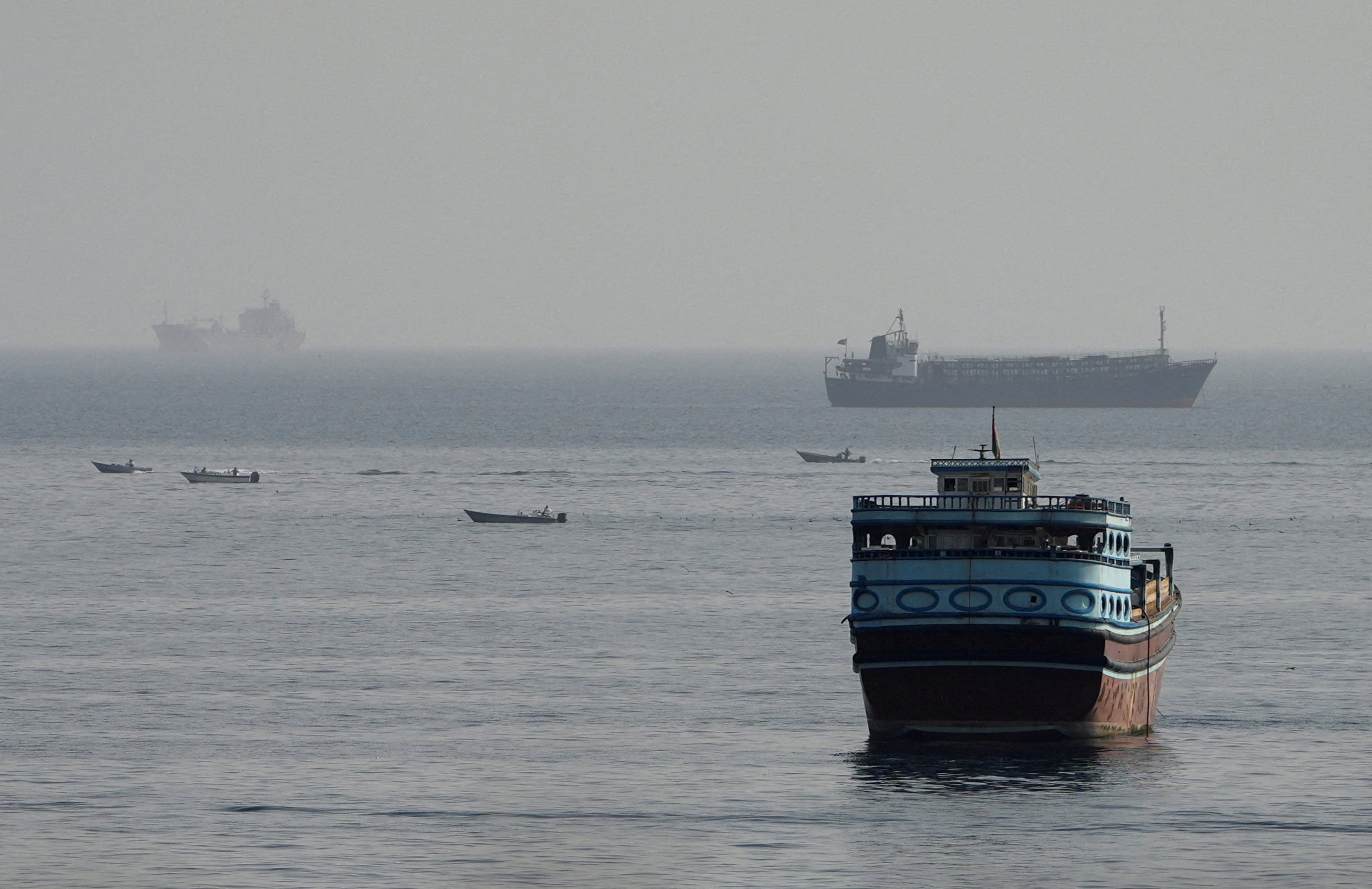
Oil prices plummeted by around 5% on Tuesday, with Brent crude sinking below $80 for the first time in nearly a month. This occurred as conflicting reports circulated regarding potential negotiations between the US and Iran. President Donald Trump announced on Monday that Washington was re-engaging in dialogue with Tehran, citing the Iranian side's eagerness to reach an agreement.
However, Iran swiftly denied these claims, stating that their current discussions were solely with Oman regarding the reopening of the Strait of Hormuz. Brent, which serves as the benchmark for two-thirds of the world's oil, experienced a 4.87% drop to $79.69 per barrel at 7:49 PM UAE time. The last time it dipped below $80 was during the second week of July, prior to hostilities resuming.
West Texas Intermediate (WTI), the gauge that monitors US crude, also declined by 5.35% to $76.04 per barrel. WTI had not fallen below $70 since the beginning of July. Ahmad Assiri, a research strategist at Pepperstone, a broker based in Australia, noted that "the oil market continues to trade predominantly as a function of geopolitical developments in the region, with this week's price action illustrating how rapidly participants have repriced risks."
He added that "investors remain reluctant to fully price out the risk of renewed escalation, leaving the market front and center influenced by geopolitical headlines." While a return to $100 levels for oil is not entirely ruled out, the prevailing outlook currently favors lower prices. The consequences of the war have complicated the task of governments, energy companies, and analysts in forecasting market trends.
Meanwhile, Opec+ decided to boost crude oil production by a sixth consecutive month in September, with plans to continue monitoring situations and adjust as necessary. The group emphasized that any actions jeopardizing energy supply security, such as attacks on infrastructure or disruptions to international maritime routes, exacerbate market volatility and undermine efforts to maintain market stability for the benefit of producers, consumers, and the global economy.
Saudi Aramco is currently evaluating an expansion of its East-West Pipeline and the creation of new export routes due to the maritime blockade by Houthi rebels, which is restricting access through the Red Sea. Other significant oil-exporting nations, including the UAE, are also examining alternative methods to ensure the continuous transportation of their petroleum products.
Keith King, a former White House lead communications engineer who provides advice to executives and governments, highlighted the global implications of the war. He stated that "prolonged disruption can raise fuel costs, inflation risks, shipping costs, and economic uncertainty worldwide." He further advised that countries and companies investing in diversified supply routes, storage, and infrastructure will be better equipped to handle future geopolitical shocks.
Written by urgent.news from The National UAE's reporting — not their text. Machine-written — may contain errors; check the original before relying on it.