As US and China compete over AI, middle powers can craft a third path
The global AI race is becoming a contest over the international order. In June, the US convened the second summit under the 24-economy Pax Silica around secure supply chains, AI infrastructure and trusted technology partnerships. In July, all 193 UN member states met in Geneva for the inaugural Global Dialogue on AI Governance. Days later, 29 countries signed the agreement establishing the World…
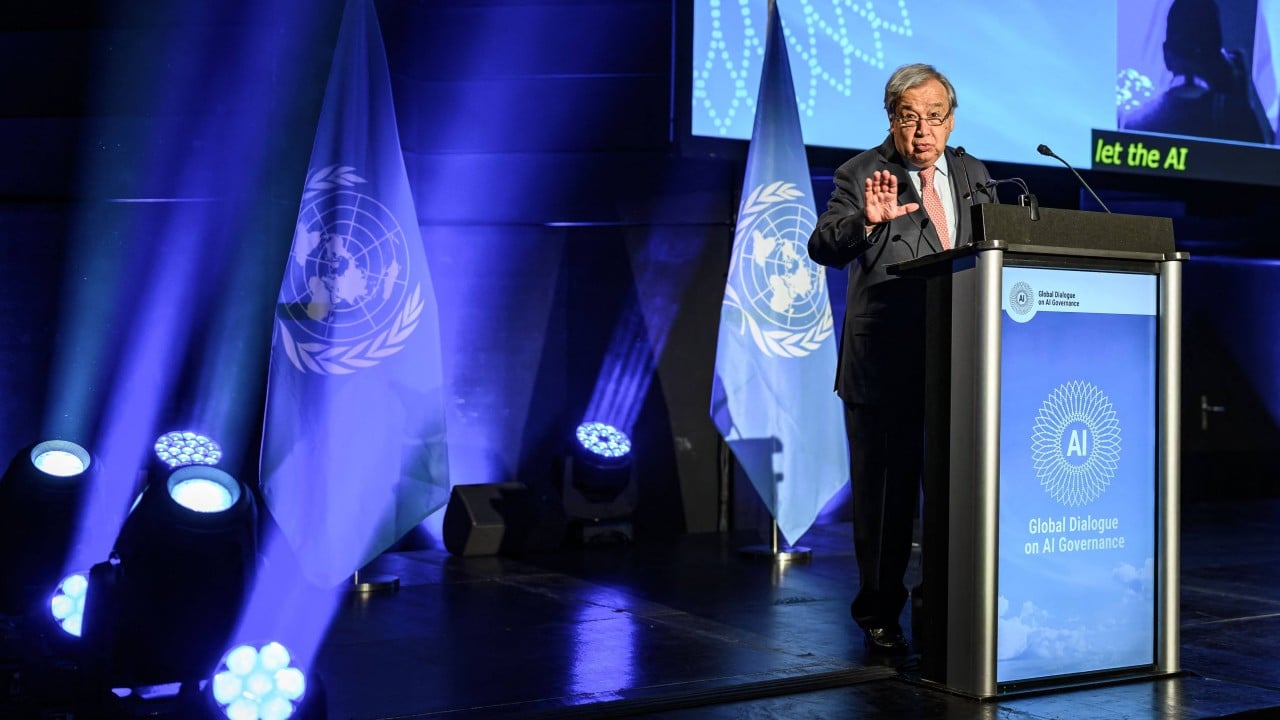
In the global AI race, the contest over international order is intensifying. In June, the US hosted a summit for the Pax Silica, focusing on secure supply chains, AI infrastructure, and trusted technology partnerships. The UN held its first Global Dialogue on AI Governance in July, while 29 countries signed the World Artificial Intelligence Cooperation Organization (WAICO) agreement in Shanghai in July.
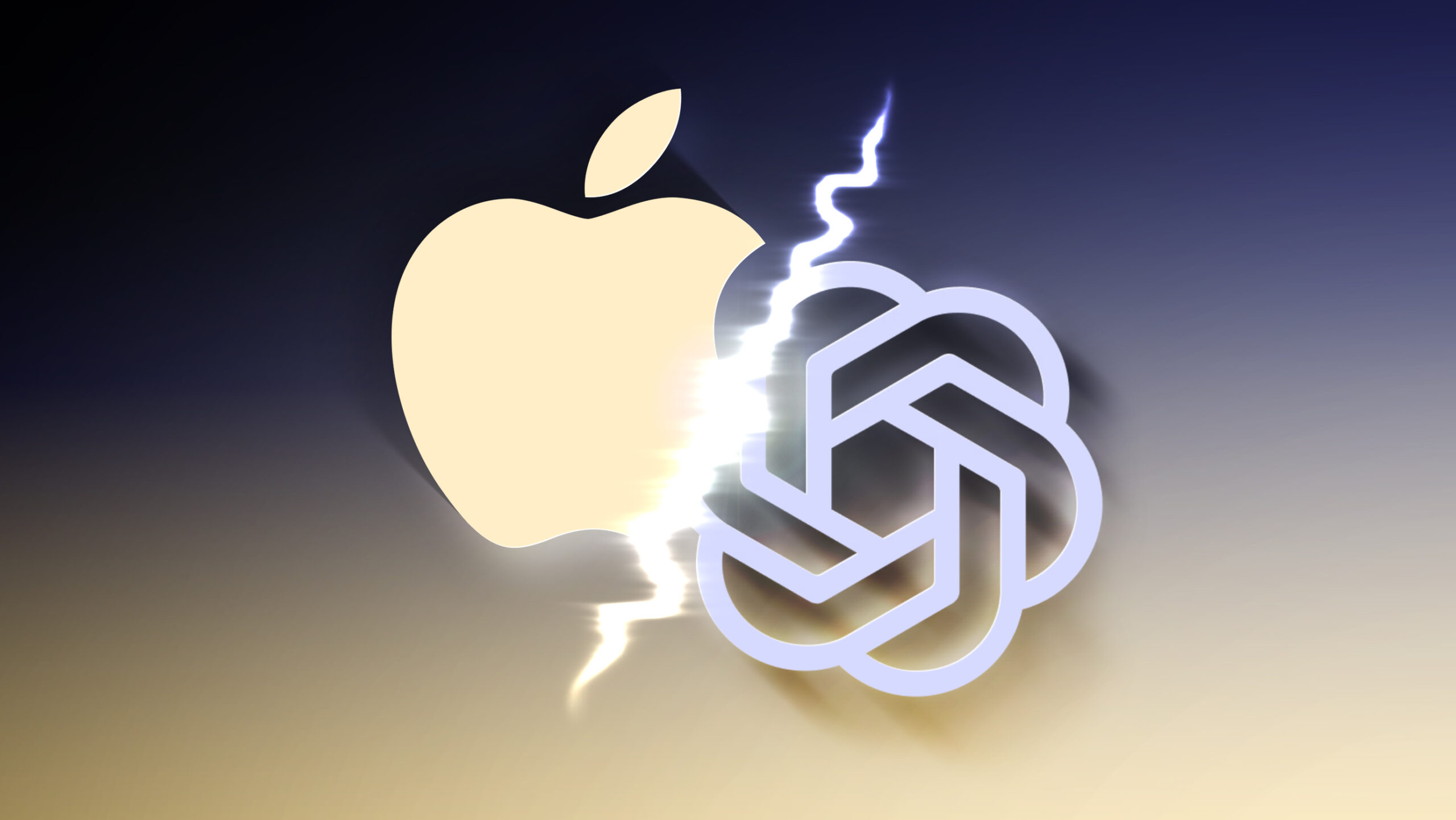
The US approach centers on controlling the technological frontier, with American companies leading in advanced chip design, cloud platforms, proprietary models, and AI software. Washington is using Pax Silica to organize these assets, offering full-stack export packages, public financing, semiconductor partnerships, and cybersecurity networks. While partners gain access to high-performance technology and mature firms, they remain dependent on American licenses, cloud services, model updates, and policy continuity.
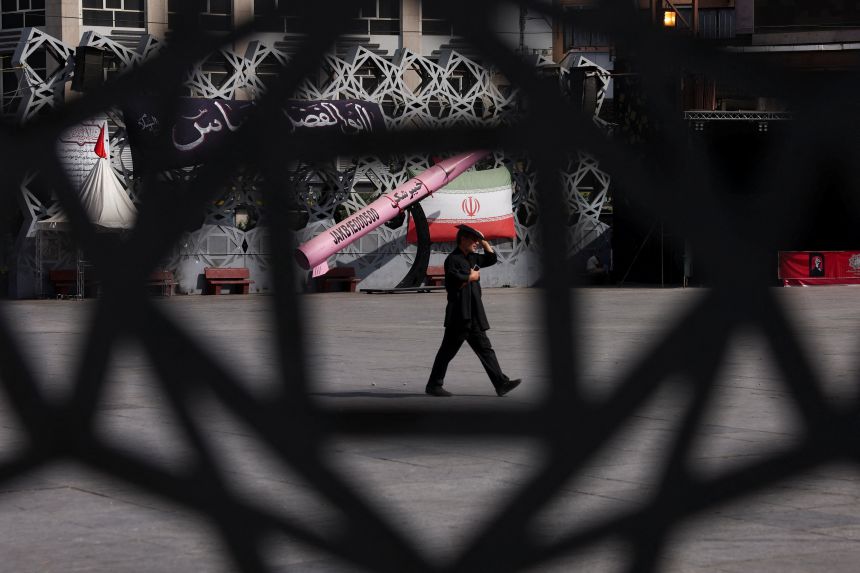
China's strategy differs, focusing on lower-cost and open-weight models, telecommunications and data-center infrastructure, industrial deployment, and government-led cooperation. The WAICO provides a permanent platform for China's strategy, emphasizing international cooperation, global governance, and the safe, fair, and inclusive development of AI.
China's offer appeals to governments seeking affordable models, local deployment, and fewer alliance-based entry conditions. However, partners may still be dependent on Chinese systems due to factors such as maintenance, equipment compatibility, data practices, technical standards, and supplier relationships.
Though American and Chinese approaches may compete, it is unlikely that sealed blocs will emerge. The value of countries with energy, capital, strategic geography, manufacturing capacity, or regional diplomatic reach remains high. This leaves a window of opportunity for middle powers and international institutions to create a third track.
While they cannot replicate the American or Chinese AI stack, they can focus on functional multilateralism, cooperating on specific deliverables without requiring a common security alignment or a single technological ecosystem.
Existing institutional pieces, such as the UN Global Dialogue and Singapore's AI Verify, provide a foundation for functional multilateralism. Governments can recognize model-testing results across jurisdictions, establish contact points for major model failures, and develop shared standards for electricity use, water consumption, and cooling efficiency. By combining resources and expertise, middle powers can strengthen their strategic agency and contribute to a more balanced and inclusive AI landscape.
Written by urgent.news from SCMP Tech's reporting — not their text. Machine-written — may contain errors; check the original before relying on it.
This story
This is one outlet's version. Read the fullest account.