Ancient North American Mammals May Have Gathered in Mexico and Diversified Before Moving to South America, Priming Them to Thrive There
An analysis of fossils from the country hints that animals from the north stayed in a "holding pen" between seven million and ten million years ago. The timeline might help explain why so many South American mammals have North American ancestry, but not vice versa
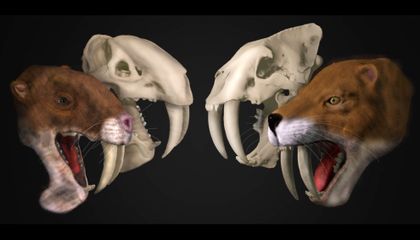
The Isthmus of Panama has long been recognized as a pivotal connection between North and South America, formed roughly 2.8 million years ago. However, a new analysis of fossils from Mexico suggests that the story of mammal migration may be more complex. Researchers have found evidence that mammals from North America began moving into South America as early as ten million years ago.
These mammals, unable to cross the Central American Seaway, waited in a "biogeographic holding pen" before diversifying between seven and ten million years ago. Once conditions allowed, smaller mammal species ventured south, but large-bodied mammals followed later when the isthmus formed. This immigration allowed North American mammals to outcompete their South American counterparts, leading to the extinction of many South American species.
This discovery not only reshapes our understanding of mammal movement but also provides insights into modern biodiversity. The findings indicate that certain species may have preadaptations that make them more suited to thrive in changing environments. As fossil records in South America improve, it may reveal more about the specific species that migrated south and the timing of their movement.
Written by urgent.news from Smithsonian's reporting — not their text. Machine-written — may contain errors; check the original before relying on it.